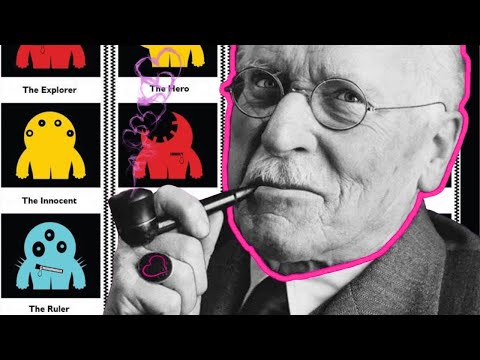
You know how sometimes you just click with certain people? Like, there’s this vibe or energy, and it makes you feel understood? That’s kind of what personality archetypes are about.
They’re these patterns or molds we all fit into, shaping how we connect with others and handle life’s ups and downs. It’s wild to think about how these archetypes can influence our mental health.
Ever noticed that some folks thrive in social situations while others prefer the quiet? It all ties back to these personality types. So, let’s dive into how knowing your archetype can help you. Seriously—understanding yourself better can be a total game changer!
Discovering the 12 Archetypes in Psychology: Understanding Personalities and Their Impact on Mental Health
The idea of archetypes in psychology is pretty fascinating. Imagine you have a set of universal character types that people relate to deeply. These are not just for stories; they can actually help us understand our own personalities and behaviors, too. It can feel like looking into a mirror, revealing parts of ourselves we might not even be aware of.
So, what are the 12 archetypes? Here’s the rundown:
- The Innocent: Think of this as the optimistic soul. They want to do things right and see the good in everything. It’s all about simplicity and freedom.
- The Orphan: This archetype feels abandoned or misunderstood. They strive for belonging but may struggle with trust issues. It’s classic underdog material.
- The Hero: This one’s super relatable! Heroes aim to prove their worth through courageous acts, often facing challenges head-on while battling personal fears.
- The Caregiver: Nurturers at heart, caregivers prioritize others’ needs often at the expense of their own well-being. Compassion is their middle name.
- The Explorer: These individuals crave discovery and adventure. They’re all about self-discovery but can feel restless if tied down.
- The Rebel: Breaking rules is their forte! Rebels challenge norms and conventions, seeking to create change or express their individuality passionately.
- The Lover: Lovers prioritize relationships and intimacy. They thrive on connection but might struggle if they lose themselves in others.
- The Creator: Full of imagination, creators express their vision through art or innovation. But sometimes they wrestle with perfectionism that can hinder progress.
- The Jester: Bringing humor into life’s chaos, jesters lighten up moments but might use comedy as a defense mechanism against deeper emotions.
- The Sage: Seekers of truth and wisdom, sages love knowledge but can get lost in analysis paralysis sometimes instead of taking action.
- The Magician: Transformative thinkers who see possibilities everywhere! They inspire change but might face challenges when reality doesn’t match their vision.
- The Ruler: Rulers crave control and order; they’re leaders by nature but may become overly rigid if not careful about flexibility.
Understanding these archetypes isn’t just some abstract idea; it has real-world implications for your mental health! Recognizing where you fit can help navigate relationships better and promote self-awareness.
For instance, let’s say you identify with The Orphan. You probably know the feeling of wanting to belong but wrestling with fear around trusting others. That unaddressed fear could lead to anxiety or avoidance in social situations.
And if you’re more like The Caregiver, that nurturing instinct is beautiful, yet it could cause burnout if you don’t take time for yourself too. That balance is key for emotional well-being.
In therapy settings, these archetypes often come up because understanding your type helps clarify thought patterns and behaviors that impact mental health decisions or responses.
But remember: people aren’t just one type; we’re complex beings with bits from different archetypes mingled within us! So basically, knowing a little about these can give you a fresh perspective on yourself and your interactions with others—a bit like shining a light on shadowy corners.
In sum, diving into personality archetypes opens doors for growth and understanding—for ourselves as well as those around us—leading to healthier relationships and greater inner peace along the way!
Exploring the 5 Key Personality Archetypes: Understanding Yourself and Others
Understanding personality archetypes can be pretty eye-opening. They give us a lens to look at our behaviors, motivations, and, like, how we relate to others. Here’s a breakdown of the five key archetypes and why they matter for mental health.
The Hero
Heroes are all about courage and overcoming challenges. They face difficulties head-on and often inspire others through their strength. Think of someone who stands up for what’s right, even when it’s tough. This archetype is important because people who identify as heroes may feel pressure to always “save the day,” which can lead to burnout or anxiety if they don’t take time for self-care.
The Caregiver
Caregivers thrive on helping others. They’re nurturing and compassionate—like that friend who always has homemade soup on hand when you’re sick. While being a caregiver can foster deep connections, it might also lead to neglecting their own needs or feelings of resentment if they feel taken for granted.
The Explorer
Explorers crave adventure and new experiences. They’re curious and always looking for the next big thing—like trying out new hobbies or traveling to unfamiliar places! This yearning can lead to personal growth, but too much exploration without roots can create feelings of restlessness or lack of stability.
The Rebel
Rebels challenge the status quo. They often have strong beliefs about justice and aren’t afraid to voice them—think activists or artists pushing boundaries. While this archetype promotes change, rebels sometimes wrestle with authority issues that can result in conflict in relationships or workplaces.
The Lover
Lovers prioritize connection—as in romance, friendships, or any close relationships. They value intimacy and emotional bonds deeply—imagine someone who goes all out planning thoughtful surprises for loved ones! However, too much focus on relationships may lead some lovers to lose sight of their own identities or become overly dependent on others for happiness.
Recognizing these archetypes helps you understand yourself better while enhancing how you interact with family and friends too! You might see parts of yourself in each one—like a patchwork quilt made from various pieces—and that’s totally okay! Embracing this complexity is part of navigating your mental health journey effectively. So next time you find yourself feeling stuck or overwhelmed, think about which archetype resonates with you most right now; it could offer insight into your current emotional landscape.
Understanding Personality Types in Mental Health: A Comprehensive Guide
Understanding personality types in mental health is super interesting. It’s like peering into a unique world where everyone ticks differently. Personality can shape how we understand ourselves and interact with the world, so grasping these types can totally help us in our mental health journeys.
Let’s break it down a bit. Personality types often refer to various archetypes, or categories, based on specific traits and behaviors. These can influence everything from how you deal with stress to how you connect with others. Here are some key points to consider:
- Introversion vs. Extraversion: This is all about where you get your energy from. Introverts recharge by spending time alone, while extraverts thrive on social interactions. Understanding which side you lean towards can clarify why certain situations drain or uplift you.
- Thinking vs. Feeling: Some people base decisions on logic; they’re more analytical and objective (that’s the “thinking” side). Others prioritize emotions and values (that’s “feeling”). If you’re a thinker, you might find comfort in structured environments, while feelers often seek harmony in relationships.
- Judging vs. Perceiving: This one deals with how you approach life tasks and flexibility. Judgers like structure and planning, while perceivers tend to go with the flow and adapt as needed. Knowing your style can help align your work-life balance with your natural tendencies.
You know those personality tests? They might seem like just fun quizzes, but they actually tap into real psychological theories—like Carl Jung’s work around introversion/extroversion—which still influence modern psychology today.
Now let me share a little story that illustrates this: My friend Sarah is like the quintessential introvert; she loves her quiet evenings with a good book over parties any day of the week! One time at a gathering, she felt overwhelmed by all the chatter and just stepped outside for some air—totally normal for her, but it was misunderstood by some as her being antisocial. Understanding her personality type helped her friends give her space without taking it personally.
So, when we look at personality types in mental health contexts, we see that recognizing these differences isn’t just academic; it can guide your therapy choices too! Therapists often adapt their approaches based on clients’ personality styles—for instance:
- If you’re an introvert struggling with anxiety, therapy could focus more on one-on-one sessions instead of group therapy.
- A thinking type might benefit from cognitive behavioral therapy that emphasizes logical restructuring of thoughts.
Additionally, knowing your personality type helps in choosing coping strategies that resonate with you personally. For example:
- Mindfulness practices, great for both introverts and extraverts alike—though an introvert may prefer solo meditation sessions!
- Creative outlets, such as journaling or art for feeling types who process emotions through expression.
In short? Understanding personality types lets us appreciate what makes us unique and equips us for better communication both within ourselves and with others. The more we know ourselves—which sometimes means embracing our quirks—the healthier our relationships tend to be.
So yeah, getting cozy with these concepts could seriously enrich your life—or someone else’s—because everyone deserves to be seen for who they really are!
You know, personality archetypes can be kind of a big deal when it comes to understanding ourselves and our mental health. They’re like those classic characters you’d find in a story, but they don’t just exist in fairytales. We all have parts of these archetypes within us, shaping how we see the world and interact with others.
Think about the Hero—always striving to overcome challenges. Or the Caregiver, who’s constantly putting others first even at the expense of their own well-being. I remember a friend who always played the Hero in her life. She was the go-to person whenever someone needed help. But eventually, she started feeling burnt out and overwhelmed because she never took time to care for herself. It was as if she had forgotten that even heroes need a break sometimes.
These archetypes can illuminate our strengths and weaknesses—helping us recognize patterns in our behavior. Like, if you’re often stuck in the Shadow role (that part of you that feels dark or hidden), it might show up in your insecurities or fears holding you back from living your best life.
Understanding these roles can also deepen your connections with others. You might find yourself saying things like, “Ah, that’s why my friend is such a Rebel—they crave freedom!” Seeing someone else’s actions through this lens helps create empathy and awareness.
But let’s not forget—it’s not all about fitting neatly into one category; most of us are complex mixes of various archetypes! You’re probably not just one thing; people are way too layered for that!
So basically, tapping into personality archetypes could be like shining a light on your inner workings and unlocking insights about how you relate to yourself and others. And isn’t that what mental health is really about? Understanding ourselves better?