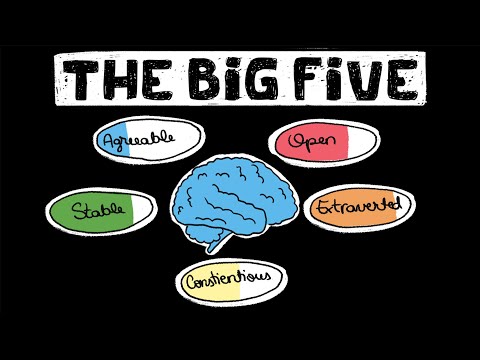
You know those days when you just want to curl up with a book and a cozy blanket? Or maybe you feel like hitting the town, dancing until dawn? That’s kinda what introversion and extroversion are all about.
People often think of these traits as black-and-white. But honestly, it’s way more of a spectrum. You might find yourself leaning one way or the other depending on your mood, right?
So what’s the deal with personality tests? They can help you figure out where you fit in this whole introvert-extrovert thing. They’re like little windows into your brain!
Let’s chat about how understanding these traits can change how you see yourself and interact with others. It could even help you make sense of those social situations that leave you either buzzing with energy or totally drained. Ready to explore?
Discover Your Personality: Take the Free Introvert vs. Extrovert Test Today!
You know, when it comes to figuring out if you’re more of an introvert or an extrovert, personality tests can be pretty handy. They help you explore where you fit on that big spectrum of social preferences. But first, let’s break down what introversion and extroversion actually mean.
Introverts tend to recharge by spending time alone. They might feel drained after a long day of socializing. Think about that friend who loves a cozy night in with a good book, right? On the flip side, extroverts feel energized by being around people. They thrive at parties and often have a packed social calendar. You can probably picture someone who is the life of the party—always chatting and laughing.
So, what’s this test all about? Basically, it asks you a bunch of questions to understand your preferences better. It’s not rocket science! Commonly, you’ll find questions like:
- Do you prefer small gatherings over large parties?
- Do you think before you speak or do you often say whatever pops into your head?
- How do you feel after meeting new people?
When you’re taking the test, just answer honestly based on how you genuinely feel in different situations.
Let me tell ya a little story here: My buddy Jenna took this test once and was seriously shocked by the results. She always thought she was just shy at gatherings. But after seeing confirmed results that she leans more towards introversion (like many artists do!), it all clicked for her! She realized why she felt off-kilter in loud spaces and preferred coffee dates instead of big events.
Now, there are also those people who fall somewhere in between—let’s call them «ambiverts.» They can enjoy both solitary activities and being around others without feeling too spent or overly charged. It’s kind of cool to know that personality isn’t just black and white!
Being aware of whether you’re more introverted or extroverted can actually help in lots of ways:
- Relationships: Understanding your tendencies can improve communication styles with friends or partners.
- Work: You may choose environments that suit your needs better—like remote work for introverts or collaborative spaces for extroverts.
- Self-care: Knowing what recharges your batteries will help prioritize your downtime.
So when the test results come back? Don’t sweat it too much if they’re surprising! Everyone has unique traits that shift depending on different experiences—and that’s totally okay! The aim is less about labeling yourself and more about gaining insight into what helps you thrive.
In short, personality tests are like mirrors that reflect aspects of ourselves we might overlook. Go ahead and take the plunge; understanding these traits could lead to some serious self-discovery down the road!
Discover Your Personality Type: Take the Introvert, Extrovert, or Ambivert Test Today!
You know, diving into the world of personality types can be super interesting. Have you ever thought about where you fit on that introvert-extrovert spectrum? The truth is, it’s not all black and white. The real kicker is there’s also this middle ground called ambivert. Let’s trot down this path together, shall we?
First off, introverts generally recharge by spending time alone. They might feel drained after too much social interaction. Think about that one friend who prefers a quiet night in over a big party. They shine in small groups or one-on-one conversations where they can really connect.
On the flip side, you got your extroverts. These folks thrive on social interactions and get pumped from being around people. Can you picture someone lighting up at a party, chatting with everyone? That’s your extrovert right there! They usually enjoy larger crowds and engage easily in conversations—sometimes even without thinking too much!
Now, let’s talk about ambiverts. These guys are like the best of both worlds. Sometimes they crave social settings and other times they want to hide under a cozy blanket with a good book. It’s kind of cool because they can switch between being an introvert and an extrovert depending on their mood or circumstances.
Taking a quick test can help you figure out where you stand in these categories. Many of them ask questions about your preferences in different situations.
- Social Settings: Do you feel energized by being around others or do crowds make you want to retreat?
- Alone Time: Do you enjoy solitude to recharge or does it feel lonely after a while?
- Communication Style: Do you prefer deep conversations or are light chit-chats more your jam?
Here’s something to think about: personality tests aren’t just labels—they’re nifty tools for self-discovery! Like I had this buddy who always thought he was an extrovert because he loved parties but found out he actually needed quiet time to function well later on. Real eye-opener!
Discover Your Personality Type: Introvert vs. Extrovert Myers-Briggs Test Explained
Everyone has their own vibe, right? Some of us get our energy from being around people, while others recharge in quiet moments. This whole idea is at the heart of the Myers-Briggs Type Indicator (MBTI), a popular personality test that helps you figure out where you land on the introvert-extrovert spectrum.
So, what’s the deal with introversion and extroversion? Well, introverts tend to feel energized by solitude or low-key situations. It’s not that they don’t like people—they just might prefer a cozy night in with a book over a loud party. On the flip side, extroverts thrive in social settings. They soak up energy from being around others and often enjoy engaging conversations.
When you take the Myers-Briggs test, you answer questions that help paint a picture of how you generally think and feel. The test is based on four dichotomies:
- Introversion (I) vs. Extroversion (E): This one’s about where you recharge.
- Sensing (S) vs. Intuition (N): This dives into how you take in information.
- Thinking (T) vs. Feeling (F): Here’s where your decision-making style comes into play.
- Judging (J) vs. Perceiving (P): This focuses on how you approach life and structure.
So when you’re doing the test, it’ll ask things like if you’d rather spend time with friends or have some alone time to recharge. Your answers help identify your tendency towards one type or another.
But here’s something interesting: it’s not always black and white! Some folks are right smack in the middle—what we call “ambiverts.” You know them; they can switch gears pretty easily between needing social interaction and craving alone time.
To keep it real, let’s talk about how this stuff shows up in everyday life. Imagine you’re planning an outing: an introvert might pick a small gathering, like dinner with just a couple of friends, while an extrovert might be all for a big bash with tons of people.
Now, think about work settings too! An introvert may excel in roles that require focus and independent work—like writing or research—while an extrovert could shine in jobs involving collaboration and networking, such as sales or teaching.
Understanding your personality type can seriously help improve your self-awareness and relationships! If you’re feeling burnt out after too much socializing or if you’re struggling to connect on deeper levels at parties, knowing whether you’re more introverted or extroverted can guide your choices.
In short? The Myers-Briggs provides insights into your personality that can guide everything from career choices to how you interact socially. Whether you’re drawn to quiet spaces or bustling environments matters—and figuring it out is part of this wild journey we call life!
You know, personality tests are like those fun little mirrors that show us parts of ourselves we might not see otherwise. Think about it—when you take one of those quizzes, like the Myers-Briggs or even a simple online quiz, it feels kinda revealing, right? You answer a bunch of questions and then bam! You get this label slapped on you. Introvert, extrovert—whatever it is. It’s fascinating!
I remember this one time when my friend took the Myers-Briggs test. She always thought of herself as this bubbly extrovert who thrived at parties. But when she got her results back and saw “Introverted” staring at her from the screen, she was like, “Wait, what?” She started thinking about how draining social events could be for her sometimes even though she loved being around people. It was an eye-opener!
So here’s the deal: introversion and extroversion aren’t just black and white categories. They’re more like a really colorful spectrum where most of us hang out somewhere in between. You might enjoy chatting with friends but also crave some alone time to recharge. Or maybe you can light up a room with your energy but sometimes prefer the comfort of your couch.
The thing is these traits help paint a picture of how we interact with the world. Introverts tend to be introspective and enjoy deep conversations over small talk; they often find energy in solitude. Extroverts, on the other hand, are usually more outgoing, soaking up energy from social settings and feeling invigorated by interactions with others.
But don’t get too caught up in the labels! They’re just tools to help us understand ourselves better—not cages that trap us into being one way or another. Plus, knowing where you fall on that spectrum can be pretty useful for navigating relationships or figuring out work styles.
So yeah, personality tests can sometimes feel a bit silly or reductive. But every once in a while, they reveal something about us that clicks into place perfectly—like finding that missing puzzle piece in our understanding of ourselves! Just remember: whether you’re an introvert or an extrovert—or totally both at different times—that’s all part of what makes you uniquely you!