Hey! So, ever wonder who you really are, like, deep down? You know? It’s kinda wild how we all walk around with these layers, right?
Sometimes, it takes a little nudge to peel them back. That’s where personality tests come in. Seriously, they can be super revealing!
I tried one recently and was like “Whoa!” It totally opened my eyes. You get to learn about your quirks and what makes you tick.
So let’s dive into Truity’s personality tests together. Trust me; it could be an adventure!
Exploring Truity’s Personality Test: A Valuable Tool for Self-Discovery?
When it comes to understanding yourself better, personality tests can be super helpful. Truity’s Personality Test is one of those tools that can shed some light on your inner world. But what’s the deal with it? Let’s break it down a bit.
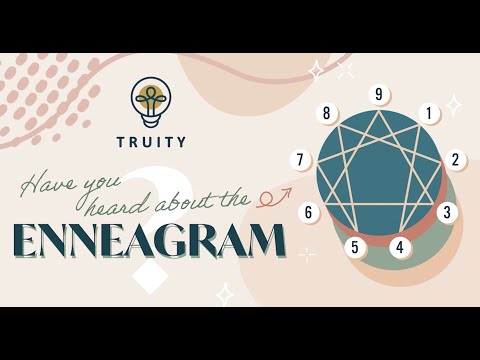
First off, Truity offers a bunch of different tests based on popular theories like the Myers-Briggs Type Indicator (MBTI) and the Enneagram. Each test has its own focus and style. You’ll find that these assessments explore various facets of your personality—like how you think, feel, and interact with others.
Self-Discovery! That’s the name of the game here. Doing one of these tests can help you get a clearer view of who you are and how you operate in your day-to-day life. It’s like holding up a mirror and seeing not just your reflection but also some shades you might not usually consider.
For example, say you take the Enneagram test and find out you’re a Type 2—known as «The Helper.» This could really resonate with you! You may realize that your natural tendency to support friends comes from this core aspect of your personality, helping you understand why certain situations make you feel fulfilled or drained.
Another cool thing about Truity’s tests is their emphasis on providing practical insights. They don’t just tell you what type you are; they also offer suggestions for personal growth! So, if you’re often stressed out, the test might point out ways to manage stress that fit your personality type better.
Now, people sometimes worry about being boxed in by labels. That’s totally valid! But these tests are more about guidance than confinement. Think of them as frameworks for understanding patterns in how we behave rather than rigid categories where we end up stuck.
But wait— it’s essential to remember that no test is perfect or all-encompassing. Results can vary based on mood or context at the time you’re taking it. Plus, self-discovery is an ongoing journey; these tests aren’t magic keys that unlock everything about who you are.
Still skeptical? Here’s a thought: If a friend came to you feeling confused about themselves and found this tool helpful, wouldn’t you want them to explore it? It’s kind of like reading a good book or seeing a movie that resonates with your experiences—you relate!
In short, Truity’s Personality Test can be valuable for self-discovery by providing insights into what makes us tick. It encourages reflection and personal growth while emphasizing that it’s just one piece of the puzzle in understanding ourselves better.
So yeah, if you’re contemplating taking it, give it a shot! Just remember: it’s all about what works for *you*.
Discovering the Rarest Truity Personality Type: Unveiling Unique Traits and Insights
The Truity personality test can be a real eye-opener. It breaks down your personality into these cool types that help you understand yourself. But what’s even more fascinating is discovering the rarest personality type within this framework. Let’s dive into it, shall we?
First off, the rarest Truity personality type is known as the **“Advocate”** (or sometimes labeled as INFJ in the Myers-Briggs system). This type makes up only about 1% of the population! Seriously, that’s like finding a unicorn in a field of horses.
So, what makes an Advocate so unique? Well, they tend to be incredibly insightful and empathetic. They feel deeply for others and often have a strong sense of morality. Think of someone who not only understands your pain but also wants to do something about it. That’s them! Here are some standout traits:
- Empathy: Advocates can really tune into how others feel. It’s like they have this invisible antenna picking up on emotional vibes.
- Idealism: They often hold strong beliefs about making the world better, which can lead to them being passionate advocates for causes they care about.
- Creativity: Many Advocates are super creative; their minds often wander into imaginative territories where ideas flourish!
Now, let me throw in a little personal touch here. A friend of mine is an Advocate—let’s call her Sarah—and she always seems to know when I’m having a rough day. One time I was feeling overwhelmed with work and life, and she just showed up with coffee and a listening ear. It blew my mind how she could sense I needed support before I even said anything!
Moving on, Advocates are also known for their quiet strength. They aren’t typically loud or flashy but rather prefer deep conversations over small talk. If you’re with one, you might find yourself diving into serious topics way faster than you would with most people.
They might also struggle with expressing their feelings because they hold such high standards for themselves and others. Sometimes, it can be tough when reality doesn’t match their ideal vision. The pressure they put on themselves to make everything perfect? Oh boy!
Another thing worth mentioning is that Advocates often seek meaning in everything they do—relationships and careers alike. They crave authenticity and connection but might take time to open up since they’re naturally reserved.
In relationships, whether platonic or romantic, Advocates generally give their all once they trust someone enough to let them in. They’re loyal companions who will stand by you through thick and thin—just look at Sarah!
Overall, discovering if you relate to the Advocate can lead to some major self-reflection. It sparks questions about how you connect with the world around you and encourages growth towards living authentically.
So yeah, if you’re curious about your personality type or maybe feel like you connect with those rare traits of an Advocate, it’s totally worth exploring! It’s all part of uncovering your true self amidst this wild journey we call life!
Evaluating the Accuracy of the Truity Personality Test: Insights and Considerations
Evaluating the accuracy of personality tests, like the ones offered by Truity, is a pretty interesting topic. You know, personality tests have been around forever, but not all of them are created equal. Truity focuses on various traits and types—think ENFP or INTJ from the Myers-Briggs or even Enneagram types. But how accurate and reliable can they be? Let’s break it down.
Validity and Reliability
First off, when we’re talking about accuracy, two big terms come into play: validity and reliability. Validity is about whether a test actually measures what it claims to measure. For example, if you take a test that says you’re introverted but you feel super social all the time, that’s a red flag! Then there’s reliability, which looks at whether you’d get similar results if you took the same test again later. So if you take Truity’s test now and then again next month, your results should be relatively similar—if not identical.
The Science Behind It
Truity uses a variety of established psychological theories to create its assessments. They often dive into different aspects of personality psychology, like the Big Five model or the Myers-Briggs framework. However, one thing to understand is that personality itself isn’t fixed; it can change depending on life experiences or situational factors. That means these tests are more like snapshots rather than full-time portraits.
Self-Report Bias
Now let’s chat about self-report bias. When you take a test like Truity’s, you’re basically looking at yourself through your own lens—your perception of yourself might not always align with reality. Like, maybe you consider yourself super organized because you’ve color-coded your sock drawer—but your friends might think chaos reigns in your closet! This can lead to skewed results.
Sample Size and Demographics
The accuracy also hinges on who takes these tests in the first place. If Truity’s databases mainly survey young professionals from urban areas, their findings might not represent older adults or people living in rural settings as well as they could. Broadly diverse sample sizes generally lead to more reliable outcomes.
- Cultural Context: Personality perceptions can vary by culture.
- Your Mood Matters: How you’re feeling while taking the test can influence answers.
- Your Environment: Testing conditions (like noise levels) can impact focus.
The Bottom Line
So what’s the takeaway? Truity personality tests can offer some valuable insights into your traits and preferences but remember they aren’t definitive answers about who you are deep down inside. Think of them as conversation starters instead of truth bombs! Just be aware that human complexity goes way beyond any questionnaire.
In short, using these assessments thoughtfully can help spark self-discovery without putting too much weight on their results alone; integrating them with personal reflection and other feedback is key! So if you’re exploring who you are—great! Just approach it with an open mind and a sprinkle of skepticism when needed!
So, you know when you’re sitting there, and you feel like you don’t really know yourself all that well? It’s like staring into a foggy mirror. That’s where personality tests can come in handy. They’re kinda like these little keys to unlock parts of who you are. I mean, seriously, who doesn’t want to understand what makes them tick?
I remember the first time I took one of those personality tests—let’s just say it was an eye-opener. I was in this weird spot in my life, feeling lost and unsure about my choices. Then I got my results back, and it felt like someone had turned on a light bulb inside me. The test highlighted traits I never noticed before. Like the fact that I’m super into helping others but also need my alone time to recharge—who knew? It was just so refreshing to have a clearer picture of myself. It wasn’t magic or anything, but it felt pretty darn close.
Now, Truity’s tests are pretty popular for diving into your personality type. They’ve got this way of breaking down all these complex ideas into something that’s easy to digest—like having a chat with a friend over coffee, rather than reading dense textbooks. You get to explore your motivations and behaviors without needing a degree in psychology.
Some folks might roll their eyes at the idea of personality tests and say they’re just for fun or don’t mean much. But the thing is, even if they aren’t perfect science, they can spark some real self-reflection. You start thinking about your relationships, career choices, and even how you handle stress; it’s kinda cool how one little test can lead to such big thoughts.
But hey, it’s also important not to box yourself in based on those results—they’re just one piece of the puzzle that is you! Life is constantly changing us; we grow and evolve over time. So while these tests can help unveil some stuff about our true selves, they shouldn’t be our only guide.
All said and done, getting insights from Truity or any personality test can be an excellent step towards understanding yourself better—maybe even unlocking some hidden potential along the way!