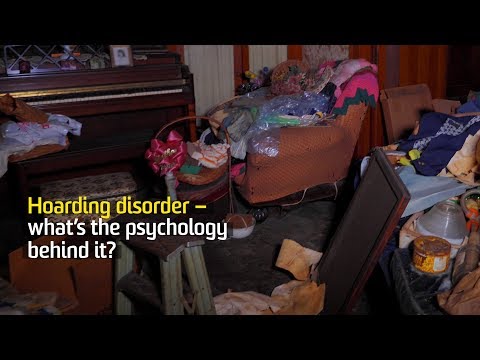
You know, sometimes you hear about people who have, like, a ton of pets. It’s kind of cute, right? But then it gets a little weird when they have way too many animals for their space.
There’s this thing called pet hoarding. It’s not just about loving animals; it goes way deeper than that. Imagine feeling overwhelmed but not knowing how to stop.
It’s tragic and super complicated. There are real psychological struggles behind it that we don’t always see at first glance. So let’s chat about what might be going on in someone’s head in these situations.
Understanding the Psychology of Hoarding Behavior: Causes, Effects, and Solutions
Hoarding behavior, especially when it involves pets, is a complicated issue. You know, it doesn’t just pop up outta nowhere. There’s usually a mix of psychological struggles at play. So, let’s break it down.
Causes of Hoarding Behavior
First off, hoarding often ties back to some unresolved emotional issues. For many people, pets provide comfort and companionship. But sometimes that bond can go way too far. Consider someone who faced major loss or trauma—like losing a loved one. In their mind, the animals they collect become a way to cope with those overwhelming feelings.
Another cause can be rooted in mental health conditions like obsessive-compulsive disorder (OCD) or generalized anxiety disorder (GAD). When you think about it, these folks might feel an intense need to keep their pets because they fear that letting them go could lead to consequences they can’t handle. It’s like trying to control an uncontrollable situation.
Effects of Pet Hoarding
Now that we’ve got the causes down, let’s talk effects. The thing is, having too many pets can create serious issues for both the hoarder and the animals involved.
- Health Hazards: When you have too many pets in one space, it can create unsanitary living conditions. Imagine piles of fur and litter everywhere—yuck! This not only affects the hoarder but also the poor animals who might suffer from neglect or illness.
- Social Isolation: People suffering from this behavior often push away friends and family. They might feel ashamed about their situation or afraid of judgment, which just adds to their loneliness.
- Legal Issues: Believe it or not, animal control can get involved if there are complaints about the number of pets or conditions they live in. This can lead to heartbreaking situations where beloved animals are taken away.
Solutions for Hoarding Behavior
So what can be done? Addressing hoarding isn’t as simple as telling someone to just stop collecting animals—usually requires professional help.
- Psychoeducation: A therapist can work with a person to teach them about their behaviors and why they feel compelled to hoard. Understanding what’s driving those actions is a huge first step.
- Cognitive Behavioral Therapy (CBT): This type of therapy helps change negative thought patterns and behaviors over time. For instance, if someone believes they’re rescuing animals by keeping them all, CBT could help them rethink that belief.
- Support Groups: Being part of a community dealing with similar struggles can be really powerful! Sharing experiences offers connection and understanding that makes tackling this issue feel less lonely.
Dealing with pet hoarding isn’t easy at all; it’s an emotional rollercoaster for everyone involved—humans and animals alike. But with awareness and support, change is totally possible!
Breaking Free from Hoarder Mentality: Effective Strategies for a Clutter-Free Mind
Okay, so let’s talk about breaking free from that hoarder mentality, especially when it comes to our furry friends. Pet hoarding isn’t just about too many pets; it’s a complex emotional struggle. You know? It often stems from deep-seated psychological issues like anxiety, depression, or even unresolved trauma. And what happens is that people start to collect pets as a way to fill some emotional void, leading to overwhelming situations for both them and the animals involved.
One key thing to remember is that **recognizing the issue is the first step**. If you or someone you care about is surrounded by too many pets and feels overwhelmed, understanding that this might be a sign of something deeper can be really eye-opening. It’s not just clutter; it’s often a reflection of what’s going on inside.
Let’s dig into some practical strategies for breaking this cycle:
- Self-reflection: Take time to understand your feelings toward your pets and the clutter. Ask yourself tough questions like «What am I feeling when I bring another animal home?» and «How does having these pets make me feel about myself?» The answers might surprise you.
- Set Clear Goals: Make specific plans on what you want your space and life to look like. Do you want to keep two cats instead of five? Visualize what a clutter-free environment looks like for you.
- Gradual Decluttering: Instead of trying to tackle everything at once—because seriously, that can be super overwhelming—take small steps. Start with one room or even one corner of your space at a time.
- Seek Support: Don’t hesitate to reach out for help! This could mean talking to friends or family who understand, joining support groups, or even professional counseling if needed. Having someone there makes the process feel less daunting.
- Healthy Coping Mechanisms: Find constructive ways to handle emotions that come up during this process. This might mean journaling, engaging in physical activity, or practicing mindfulness techniques such as meditation.
It’s also worth mentioning the importance of **education** about animal welfare. Many pet hoarders genuinely believe they’re helping animals by saving them from shelter situations. Yet learning about proper pet care and welfare standards can help shift perspectives towards healthier choices.
There may be bad days along the way—like when an old memory triggers an urge to collect more animals—but remember: change doesn’t happen overnight! It takes time and patience. Celebrate small victories! Every step you take counts.
So if you’re feeling stuck in this situation, recognize that there’s hope and help out there waiting for you. Breaking free means not only clearing physical space but also making room for emotional healing and growth. Seriously, it’s all connected in ways we sometimes forget.
In short? Challenge those thoughts that lead you back into the cycle of hoarding. You’re not alone in this journey; reaching out can lighten the load significantly!
Understanding the Three Types of Animal Hoarders: Insights into Their Behavior and Needs
Animal hoarding is a pretty complicated issue, you know? It’s not just about having lots of pets; it’s often tied to deep emotional struggles. Generally, there are three types of animal hoarders, and each one has unique behaviors and needs. Let’s break it down.
1. The Overwhelmed Caregiver
These folks typically start off with good intentions. They love animals and genuinely want to save them. Sometimes they see themselves as their pets’ only hope, especially if the animals are abandoned or neglected. But here’s the catch: they can become overwhelmed really quickly. Life gets busy, and maintaining that many pets becomes nearly impossible.
For example, imagine a woman who starts fostering dogs from the shelter. At first, she takes in just two or three, but soon she loses track of how many she has. What happens is that her home turns into a bit of a zoo. She feels guilty letting any go because she believes it would be unfair to separate them from their “pack,” even if her living situation is spiraling out of control.
2. The Emotional Hoarder
Now let’s talk about the emotional hoarder, which can be heartbreaking to witness. These individuals often use animals to fill a void in their lives or cope with past trauma or loss—maybe they lost someone close and don’t know how to handle it. Animals become not just companions but almost like substitutes for human connection.
Picture someone who lost their spouse. They might start adopting multiple cats because those furry little ones provide comfort without the complexities of human relationships. With time, these pets turn into an overwhelming responsibility as this person struggles with feelings of loneliness and grief.
3. The Collector
Lastly, we have collectors who hoard animals somewhat differently—they’re less about emotional bonds and more focused on ownership or status. For some people, having lots of exotic pets feels like an accomplishment or a way to showcase their identity to others.
Say you come across someone showcasing a variety of rare reptiles on social media; it might seem cool at first glance but can lead them down a slippery slope where they end up with way too many creatures to care for properly—and not always for the best reasons.
In terms of getting help for these individuals, that’s another layer altogether! They often resist outside intervention because they don’t see themselves as having a problem; rather, they feel justified in their actions based on their beliefs about animal welfare or companionship.
So yeah, understanding animal hoarders requires compassion—seeing beyond just the mess or the sheer number of pets involved allows us to address those underlying psychological struggles effectively! Only then can we work toward solutions that genuinely support both them and those adorable animals in need of homes.
You know, pet hoarding can be one of those things that just seems so bizarre to the outside world. I mean, having a bunch of animals around might look cute on the surface, right? But when you peel back the layers, there’s a lot more going on than meets the eye. It’s like a whole psychological maze that’s really tough to navigate.
I once knew someone who had way too many cats. I mean, we’re talking a dozen or more. At first, it seemed like she was just super loving and wanted to rescue as many pets as possible. But then I noticed her place was chaotic—litter boxes piled up, food everywhere, and honestly, it felt overwhelming just being there. She seemed stressed out all the time but couldn’t let go of any of her furry friends.
What really struck me was how trapped she felt inside this situation. Pet hoarding often stems from deeper emotional struggles—things like anxiety, depression, or even childhood trauma can play a huge part in it. The pets become almost like security blankets for these folks; they fill an emotional void but also create bigger problems over time.
Hoarding behavior isn’t about not caring for animals; it’s more intricate. People might think they’re helping by saving these creatures from shelters or bad situations, which sounds noble on the surface. But eventually, the reality is that their living conditions become unhealthy—not just for the humans involved but also for the pets.
So what happens is this cycle of guilt and shame builds up around those who hoard pets. They may feel overwhelmed by the sheer number of animals they have but struggle to form connections with them because everything is out of control. The therapy process can be long and complicated since it often involves addressing these underlying issues rather than simply trying to remove some pets from their home.
It’s heartbreaking, you know? The love for animals is genuine; it just gets mixed up with other emotional baggage along the way. Ultimately, understanding pet hoarding behavior requires compassion and patience—not just towards those affected but also towards ourselves as we try to make sense of something so challenging and often misunderstood.