You know, dealing with emotional ups and downs can feel like riding a roller coaster. One moment you’re on top of the world, and the next, you’re crashing down.
When it comes to Borderline Personality Disorder (BPD), that ride gets even wilder. It’s not just about having bad days; it’s like swinging between extremes—intense joy, followed by deep sadness or anger.
I remember my friend Lisa. She would go from being bubbly and fun to incredibly upset in a snap. It was tough to see her struggle but also so relatable in a way, right?
That’s the essence of BPD: feelings that can feel freakishly overwhelming. So come along as we unpack this whole thing together, exploring what it means to navigate petulance and destruction in the world of Borderline Personality Disorder.
Understanding Petulant Destructive Borderline Personality: Traits, Causes, and Coping Strategies
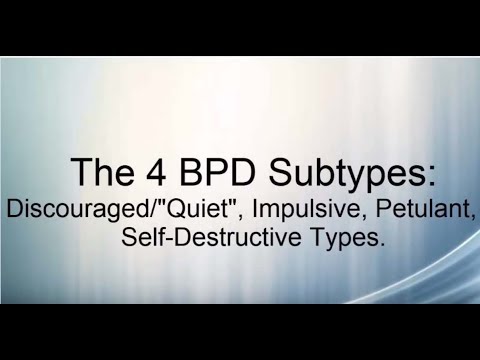
Sure, let’s talk about petulant destructive traits in Borderline Personality Disorder (BPD) and how they can be understood and managed. This can be a complex topic, but I’ll break it down for you.
Borderline Personality Disorder is characterized by intense emotions and unstable relationships. Some people with BPD might show **petulant** or **destructive behaviors**. These behaviors often stem from fear of abandonment or a deep sense of insecurity. Imagine feeling like you’re walking on eggshells in every relationship. That’s what many folks with BPD feel like all the time.
Petulance usually surfaces as mood swings or irritability. One moment, someone might seem okay, and the next, they’re angry or upset over small things. It kind of feels like a switch flips for them. This isn’t just being cranky; it’s a deeper level of emotional response that feels overwhelming.
Destructive behaviors can include things like impulsively lashing out at loved ones or even self-harm. You might think, “Why would someone do that to themselves?” Well, it’s often about trying to cope with that inner turmoil or expressing pain that’s hard to articulate otherwise.
Now, let’s look at some common **traits** you might notice:
- Intense Emotions: Quick shifts between happiness and anger.
- Fear of Abandonment: Magnified reactions to perceived rejection.
- Impulsivity: Acting without thinking through consequences.
- Relationship Instability: Difficulty maintaining steady connections.
So, what causes these traits? There isn’t one simple answer here—it’s usually a mix of things. Many believe that it’s influenced by both genetics and environment. For instance:
- Trauma: Experiences like childhood abuse can have lasting effects.
- Genetic Factors: Mental health issues sometimes run in families.
Now onto coping strategies! It’s important for both those affected by BPD and their loved ones to find ways to navigate these tricky waters.
- Therapy: Dialectical Behavior Therapy (DBT) is often recommended because it focuses on emotional regulation and interpersonal skills.
- Meditation and Mindfulness: These practices help ground individuals when emotions feel too intense.
- Support Groups: Connecting with others who understand can be incredibly helpful.
Here’s a little story: Imagine a woman named Sarah who struggles with BPD. Whenever she feels distant from her partner, she gets upset over small disagreements—like forgetting to put the dishes away—turning into big conflicts filled with yelling or crying. Through therapy, she learns to recognize when her feelings are escalating and how to communicate them better instead of reacting destructively.
Just knowing there are ways through this chaotic experience can be reassuring for someone dealing with these challenges—or for their loved ones supporting them through it all.
Navigating this path isn’t easy, but understanding those petulant destructive traits in BPD is a significant first step towards healing for everyone involved.
Recognizing the Red Flags of Borderline Personality Disorder: Key Signs to Watch For
So, let’s get into this topic about Borderline Personality Disorder (BPD) and the red flags that might pop up. It’s real important to recognize these signs, especially if you or someone you care about may be struggling. BPD can feel like riding a rollercoaster—there are ups and downs, but sometimes it feels like the ride is never-ending.
First off, **intense emotions** are usually a biggie. People with BPD often experience emotions that swing from super high to rock bottom in a flash. Imagine feeling elated one moment and then deeply sad just after. It’s exhausting!
Another sign to watch for is **fear of abandonment**. If someone goes to great lengths to avoid being left alone or freaks out at even the thought of separation, that could indicate something deeper at play. It’s like they put all their emotional eggs in one basket and fear that basket will break.
Then there’s **unstable relationships**. This can look like idealizing someone one day and then completely devaluing them the next. It’s as if people with BPD can’t find solid ground when it comes to how they feel about others, which can lead to chaos in their friendships or romantic relationships.
Also, remember **impulsivity**? It might show up as binge drinking, spending sprees, reckless driving—stuff that doesn’t seem thought through at all. The thing is, these impulsive actions often come from an overwhelming need to escape emotional pain or just feel something different.
A crucial red flag is **self-harm** or suicidal thoughts. Some folks with BPD might hurt themselves as a way to cope with emotional distress. It’s heartbreaking and vital that if you see this happening, you reach out for help immediately because nobody should face this alone.
Lastly, keep an eye out for **identity disturbance**. That means having an inconsistent self-image or not really knowing who they are from one day to the next. They might alter their goals and values based on who they’re around at any given time.
When I think about all this stuff, I’m reminded of a friend of mine who went through similar challenges but never realized what was happening until later on when she found help. It took some time for her to recognize her feelings and behaviors were part of something bigger than just mood swings; they were connected to BPD.
So yeah, watching for these signs could really change things for someone struggling silently with these feelings—or maybe even yourself! Just remember, understanding is the first step toward finding ways to cope better and getting support when it counts most.
Understanding Petulance: A Key Trait of Borderline Personality Disorder?
Understanding petulance is essential when it comes to Borderline Personality Disorder (BPD). You see, people with BPD often experience intense emotions and mood swings, and petulance can be a significant part of that. Let’s break this down a little.
What is petulance? Well, think of it as that burst of irritation or anger you might feel when things don’t go your way. It’s not just about being cranky; it’s more like a quick shift from calm to frustrated. In folks with BPD, this petulance can be pretty pronounced and can lead to impulsive actions or conflicts in relationships.
Here are some key aspects to keep in mind:
- Emotional intensity: People with BPD often feel emotions more deeply. That means when they’re upset, it can feel like the end of the world.
- Fear of abandonment: A lot of the time, their petulance may come from fear that someone will leave them. This fear can trigger strong reactions.
- Interpersonal conflicts: Petulant outbursts can strain relationships. Others might not know how to respond, leading to further misunderstandings.
- Self-destructive behaviors: Sometimes, this intense frustration leads to behaviors that can harm themselves or their connections with others.
Picture someone who has finally gotten the promotion they’ve been working for but then feels slighted over a minor comment from their boss. Instead of just brushing it off, they might react strongly—maybe even lash out or withdraw emotionally for days. That gut reaction speaks volumes about how sensitive those feelings are.
It’s crucial to understand that petulance isn’t just “being moody.” It reflects deeper struggles, often tied to unresolved issues from childhood or past relationships. There’s a certain vulnerability behind those outbursts.
In therapy settings, acknowledging this behavior is important—it helps in developing healthier coping mechanisms. For instance, techniques like Dialectical Behavior Therapy (DBT) focus on managing emotions effectively and improving interpersonal skills.
Navigating petulance in BPD involves recognizing triggers and learning alternative ways to express feelings without causing chaos in one’s personal life or relationships.
So, if you’re dealing with someone who has BPD and shows signs of petulance—try approaching them gently. Remind them they aren’t alone in these feelings; validating those emotions is key. It’s tough for both sides but understanding these dynamics can make all the difference!
Okay, so let’s talk about something that’s pretty intense: Borderline Personality Disorder (BPD). You might have heard the term thrown around or seen it in movies. It sounds heavy, right? And honestly, it can be. One of the things that really stands out in BPD is this cycle of petulance and destruction.
Imagine being in a relationship where one minute you’re laughing and having a great time, and the next minute someone’s blowing up over something small. I was talking to a friend recently who mentioned this wild rollercoaster she felt with her partner diagnosed with BPD. One day, he just flipped because she forgot to text him when she got home. Like, really? But for him, that text felt like a lifeline—a sign that she cared enough to keep that connection strong. When she didn’t do it? Well, it spiraled into this massive argument where everything from their past came up like garbage from an overflowing dumpster.
What happens is that people with BPD often feel emotions more intensely than others. It’s like they’re always on high alert; everything feels charged—like when you touch something metal after shuffling your feet on carpet and get zapped by static electricity! That’s how fast their feelings can escalate or crash down into destruction. And frankly, they’re not just reacting to you; they’re wrestling with their own fears of abandonment and worthlessness.
And look, it’s not just about them being angry or upset; there’s also guilt that creeps in afterward. They realize how far things went and often feel horrible about it. I mean, so many people in their lives get pulled along for the ride—their friends, family…everyone tries to help but often ends up overwhelmed.
So what can you do if you’re trying to navigate this wild terrain? Well, patience becomes kind of crucial. Understanding helps too—recognizing that petulance doesn’t necessarily mean someone hates you; it might be all about fear surfacing in a big way.
Plus, encouraging them to seek therapy could make a world of difference. Therapy offers tools—skills for managing those intense feelings before they become full-blown disasters.
At the end of the day, dealing with someone who has BPD is not easy; you’re both on shaky ground sometimes. But remember: there are ways through this chaos together if everyone stays open and willing to learn from each other along the way!