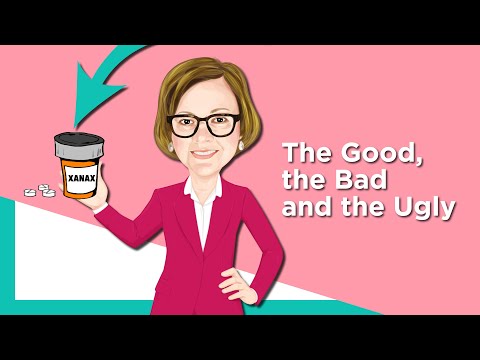
So, let’s talk about Xanax. You’ve probably heard of it, yeah? It’s that little pill people often mention when they’re feeling anxious or stressed out.
But what’s the deal with it? And why is Pfizer – you know, the big pharmaceutical company – so involved in all this?
Honestly, the whole thing can be a bit confusing. Like, when is it actually helpful? And when might it not be the best choice?
We’ll dig into its role in mental health management, breaking it down so you can really get what’s up with this medication and what it means for those who take it. It’s a wild ride at times, but totally worth understanding!
Understanding Xanax: Uses, Benefits, and Implications for Mental Health
So, let’s talk about Xanax, also known by its generic name alprazolam. You might have heard of it as a go-to for anxiety and panic disorders. It’s a part of a group of meds called benzodiazepines, which work by calming down the brain. Basically, they help slow things down when life feels like it’s spinning out of control.
Now, what are the main uses? Well, Xanax is primarily prescribed for:
- Anxiety disorders: When everyday worries become overwhelming.
- Panic attacks: Those sudden bursts of fear that can leave you feeling totally out of control.
The cool thing about Xanax is how quickly it can work. Users often feel its effects within an hour or so. Imagine you’re at a party and suddenly feel that familiar tightness in your chest—that’s anxiety knocking. A dose of Xanax can help ease that tension before you even realize what’s happening.
But it’s not all rainbows and sunshine. There are some implications to consider when it comes to mental health management with Xanax:
- Dependence risk: Using it too often can lead to needing more over time—it’s like building up a tolerance.
- Withdrawal symptoms: If you stop taking it suddenly after using it regularly, things can get rough. Anxiety might spike, and other symptoms could pop up.
- Cognitive side effects: Some folks notice they feel fuzzy-headed or forgetful after taking Xanax, which isn’t ideal if you need to stay sharp for work or school.
A friend once told me about her experience with Xanax. She was feeling super anxious about her exams and decided to try it out as directed by her doctor. At first, she felt great relief; the relentless worry faded away like mist in the morning sun. But over time, she noticed that she needed higher doses to achieve the same relief she felt initially, which made her uneasy.
An important bit to remember is that while Xanax helps with symptoms in the short term, it’s not really fixing the root cause of anxiety. Therapy or counseling should often be part of the plan too—finding strategies to manage those feelings long-term is key!
If you’re considering or currently using Xanax as part of your mental health care routine, it’s crucial to have open conversations with your healthcare provider about benefits and risks. They’re there to help navigate this sometimes tricky landscape!
The bottom line? Xanax has its place in mental health treatment but comes with responsibilities—like monitoring usage and being aware of how your body reacts over time. So really think through how it’s fitting into your overall wellness plan!
Understanding Xanax: Is It a Pfizer Drug and What You Need to Know
Xanax is one of those names that pop up a lot in conversation about mental health. And, yeah, it’s a medication you may have heard of. It belongs to a class of drugs called benzodiazepines, which are often used to help with anxiety and panic disorders. So, what’s the deal with Xanax and Pfizer?
First off, Xanax is indeed a Pfizer drug. It was originally developed and marketed by them back in the 1970s. Pfizer’s been around for ages, and they’ve had their hands in quite a few meds that people rely on today.
Now let’s chat about what Xanax does. The main ingredient is alprazolam, which works by depressing the central nervous system. Basically, it helps to calm down your brain when it’s firing on all cylinders—like when you’re feeling anxious or having a panic attack. Imagine your mind is like that radio turned all the way up; Xanax kind of turns it down a notch.
But it’s not just about feeling relaxed. There are some important things to keep in mind when taking this medication:
Let me share a quick story here. A friend of mine started using Xanax after facing intense work stress and anxiety attacks. At first, it helped him feel like he could breathe again. But over time, he noticed he needed more to get the same effect—classic sign of dependence kicking in! So he talked with his doctor who helped him find other coping strategies alongside tapering off the medication.
Just remember though: while Xanax can be helpful for many people dealing with anxiety issues—it’s totally not a one-size-fits-all solution. Mental health treatment is super personal and varies for everyone.
So if you’re curious about whether or not it’s right for you—or if you have more questions—always reach out to your healthcare provider for advice that fits your specific situation!
Understanding High Potency Benzodiazepines in Panic Disorder Treatment: Benefits and Considerations
Panic disorder can feel like a whirlwind. One moment you’re chilling, and the next, your heart races, breathing goes haywire, and everything seems overwhelming. That’s where high potency benzodiazepines, like Xanax (made by Pfizer), sometimes come into play.
Basically, these medications are quite effective for treating panic attacks and the anxiety that comes with them. They work by enhancing the effects of a neurotransmitter called GABA in your brain, which helps calm you down. Think of it like turning down the volume on a blaring radio; it makes everything feel more manageable.
Now, when we talk about benefits, it’s hard to ignore how quickly they can act—often within minutes! That can be pretty comforting during a panic attack when everything feels chaotic. Just imagine being caught in that dizzying storm of anxiety and having something to help you find your footing again.
But, let’s not gloss over some serious considerations that come with these meds.
If you take high doses for long periods, your body may get used to them, making it tough to stop without experiencing withdrawal symptoms. That can turn into a bit of a tricky situation, especially if you’re using them regularly.
Another point worth thinking about is side effects. Some people experience drowsiness or forgetfulness while on these meds—definitely not ideal if you need to go about your day or stay focused at work or school! So while they might help during those intense moments of panic, they can also make you feel out of sorts in other ways.
And let’s face it—there are other treatment options out there too! Therapy approaches such as cognitive-behavioral therapy (CBT) often work really well alongside medication. It’s about finding what suits you best and sometimes striking that balance between meds and talking things out with someone who gets it.
In short, high potency benzodiazepines like Xanax have their time and place in treating panic disorder but come with their own set of pros and cons. If you’re considering this route or already using them, just keep communication open with your healthcare provider to make sure you’re getting the support you actually need while managing anxiety effectively!
Okay, so let’s talk about Pfizer Xanax, or alprazolam, as the fancy folks call it. You know, it’s one of those meds that people often associate with anxiety and panic disorders. Honestly, there’s a lot to unpack here.
When you’re feeling overwhelmed with anxiety—like that sinking feeling right before a big presentation or when you’re just trying to get through the day—Xanax can feel like a lifesaver. Imagine Sarah, a friend of mine who dealt with crippling panic attacks. They’d hit her out of nowhere, making her feel completely helpless. A doctor prescribed Xanax after some careful discussions about her situation. And for her? It was like turning on a light in a dark room.
But here’s the thing—you don’t just pop a pill and everything’s fine forever. People can become dependent on it if they use it too often or in higher doses than recommended. It’s easy to slip into that pattern when you’re trying to manage persistent feelings of dread. So while Xanax helps calm those racing thoughts for many folks, it’s not always a long-term solution.
You know what’s interesting? Some people think taking medication is an easy way out. But actually, figuring out your mental health can be pretty complex and messy! Sometimes meds like Xanax are part of the puzzle but really working through tough emotions often involves therapy too—talking things out and digging into how you got there in the first place.
And then there are those pesky side effects! Drowsiness might sound appealing if you’re anxious and not sleeping well, but it’s not fun waking up feeling foggy or detached from reality either.
In short, while Pfizer Xanax has its place in managing anxiety—it can help lighten that heavy weight on your chest—it’s not the whole story. You really gotta think about combining it with other strategies like therapy or lifestyle changes for more lasting effects. Mental health is way more than just one little pill; it’s about finding balance and support that works for you!