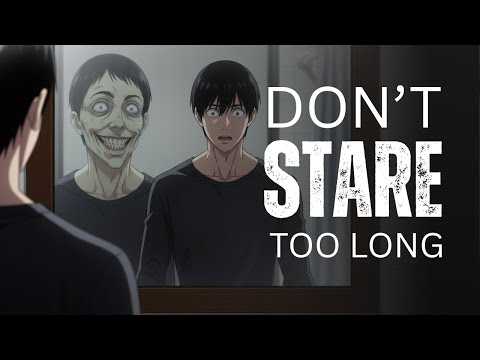
You know that moment when you look in the mirror and just freeze? Like, suddenly all those thoughts about how you look come rushing in. It’s kind of wild, right?
Some people get this intense fear of mirrors. It’s not just about vanity or checking your hair. There’s a whole tangled mess of emotions and thoughts behind it.
Ever felt like your reflection is staring back at you with judgment? You’re not alone. Let’s chat about why mirrors can trigger such strong feelings and how our self-image plays into all this. Seriously, it’s more common than you think!
Understanding Mirror Image Theory in Psychology: Insights into Self-Perception and Identity
So, mirror image theory in psychology is pretty fascinating, and it digs deep into how we see ourselves and our identities. The idea is that when we look at our reflection, we’re not just seeing what’s on the surface. We’re also grappling with a bunch of feelings about who we are and how we fit into the world.
Self-Perception plays a big role here. You know that moment when you catch your reflection and think, “Ugh, I don’t like what I see”? That’s more common than you might think! It’s often rooted in past experiences or societal expectations about beauty or success. What happens is that your brain starts to associate those negative feelings with your image.
And then there’s identity. This can get layered. Some people might feel like their reflection doesn’t capture their true self. Like, maybe you’re feeling super confident one day but then look into a mirror and suddenly feel not so great about yourself. It’s like this clash between how you perceive yourself internally versus what you see externally.
You’ve probably heard of the fear of mirrors. This can go deeper than just not liking what you see; it can tap into feelings of anxiety or even trauma. Some folks may have had experiences where their reflections triggered memories or emotions they weren’t ready to confront, leading to fear whenever they come face-to-face with a mirror.
It’s crazy how society impacts us too. Social media bombards us with filtered images that don’t represent reality at all! Seriously, have you ever wondered why you feel pressure to look perfect? These pressures can warp how we view ourselves in mirrors and impact our self-esteem.
In relationships, mirrors can reflect things beyond our physical selves. Sometimes our partners or friends might hold up a mirror to us when they point out traits or behaviors we don’t want to acknowledge—things that make us uncomfortable! It’s like seeing parts of ourselves that we’d rather hide away.
What’s important here is recognizing these dynamics when facing mirrors—literal and metaphorical ones. By understanding mirror image theory, you break down those barriers around self-worth and identity struggles. The act of looking at your reflection becomes less about critiquing yourself and more about embracing who you are at that moment—flaws included.
So if you’re staring into a mirror now, remember it doesn’t define who you are; it’s just a glimpse into one part of your journey. Try viewing it as an opportunity for self-reflection (pun intended!), instead of just a harsh judgment zone!
Effective Strategies for Treating Tomophobia: Overcoming the Fear of Toms
Tomophobia, the fear of one’s own reflection or self-image, can be pretty challenging to deal with. It’s like staring into a mirror but seeing an image that makes your heart race and palms sweat instead of just your face. This fear can deeply affect how you view yourself and even how you navigate everyday life. So, what can be done about it? Let’s chat about some effective strategies for tackling this issue.
First off, exposure therapy is one technique that often comes up. The basic idea is to slowly introduce yourself to mirrors in a controlled way. Maybe start by just being in a room with a mirror but not looking at it too directly. Then, when you’re comfortable, take a peek at your reflection for just a second before looking away again. You are gradually training your mind to accept the sight without feeling overwhelmed.
Another useful method is cognitive-behavioral therapy (CBT). This approach helps you identify those negative thoughts that pop up when you see yourself in the mirror. Like, if you think “I’m ugly” or “I hate what I see,” CBT encourages you to challenge those thoughts. Are they really true? Or are they exaggerated? You might be surprised by what you discover about how critical we can be about ourselves.
Meditation and mindfulness can also play a big role in managing tomophobia. By practicing being present in the moment—like focusing on your breath or feeling the ground beneath your feet—you start to train your mind not to let fear take over when it comes time to face that reflection. It’s all about creating space between your fears and your reactions.
Additionally, it might help to talk things out with someone—a therapist or even close friends who understand what you’re going through. Having support is crucial because sometimes just knowing you’re not alone can ease some of that burden.
And don’t forget the power of positive affirmations. Try looking into the mirror and telling yourself something nice—even if it feels weird at first! Say things like “I am enough” or “I love who I am.” It sounds simple, but repetition can make positive statements feel more genuine over time.
Finally, practice self-compassion. Look, you’re dealing with something tough here! Reminding yourself that having fears doesn’t make you weak is essential. It’s normal to have these feelings—be kind to yourself as you navigate this journey.
So yeah, overcoming tomophobia isn’t some quick fix, but with these strategies—exposure therapy, CBT, mindfulness practices, support from others, positive affirmations, and self-compassion—you can start making real progress toward feeling more at peace with who you are when faced with the mirror reflection. And who knows? You might just end up liking what you see!
Understanding Fear of Mirrors: Is It Normal and How to Cope?
Fear of mirrors, or what some folks refer to as eisoptrophobia, can be a pretty tough thing to deal with. And, believe it or not, it’s more common than you might think. You ever catch a glimpse of yourself and feel uneasy? Yeah, that’s what we’re talking about here.
So the thing is, fear of mirrors is often tied to our **self-image** and how we perceive ourselves. When you look in a mirror, you’re not just seeing your face; you’re seeing your whole self—flaws included. This can trigger all sorts of emotions: anxiety, shame, or even panic. It’s super personal and can stem from different experiences.
Some people have had bad experiences related to mirrors. For example, imagine being bullied as a kid because of how you looked; later on, every time you pass by a mirror, that hurt comes flooding back. Your mind associates the mirror with those negative feelings. And honestly? That’s really tough.
Now let’s dig into why this happens: Watching ourselves in mirrors can sometimes reveal things we don’t like about our appearance or remind us of past traumas or insecurities. Our brains are wired to focus on threats, and for some people, that threat is their own reflection.
Coping with this fear isn’t easy but there are ways to manage it:
- Therapy: Talking to a therapist can help unpack those feelings.
- Gradual Exposure: Slowly introducing yourself to mirrors might lessen the anxiety.
- Mindfulness: Practices like meditation can calm your mind and help you feel more grounded.
- Self-Compassion: Learn to be kind to yourself during challenging moments.
Using affirmations can also help—a little pep talk in front of the mirror could make a difference over time! You might stand there and say something like “I am worthy” or “I am enough.” Sounds cheesy? Maybe! But hey, if it helps you feel better about what you see, then why not?
And remember: everyone has insecurities. You’re definitely not alone in feeling this way about mirrors or your image. Your journey might look different from someone else’s but what matters is finding coping strategies that work for you.
Just take it one step at a time—no rush! Being gentle with yourself as you figure things out is key. So embrace your journey toward self-acceptance; it’s totally worth it!
You know, mirrors can be a mixed bag. You might love checking your reflection or absolutely hate it. For some folks, though, staring into a mirror can bring up some serious anxiety. It’s like the glass is holding a magnifying glass over their insecurities. Seriously, that’s a heavy weight to carry.
Let’s talk about the psychology behind this fear—or, as some call it, «spectrophobia.» This term sounds fancy but really it refers to that gut-wrenching dread people feel about their own image. Picture this: you’re getting ready for a night out and you catch yourself in the mirror. Instead of feeling confident and cute, all you see are flaws. You start to recoil from your own reflection. That’s rough!
There’s often a history behind these feelings. Maybe it stems from childhood experiences where you felt judged or criticized for how you looked—like that time your classmate pointed out your crooked smile during show-and-tell. Ouch! Stuff like that sticks with you and shapes how you view yourself later on.
Cultural influences also play a huge role here. We live in a world bombarded by images of «ideal» beauty standards in magazines and social media feeds, making us compare ourselves against something that feels unattainable. Every time you scroll through Instagram and see those perfect selfies, it might just deepen that pit in your stomach when you’re faced with your own reality in the mirror.
And then there’s self-image—how we perceive ourselves beyond just physical traits. If someone has low self-esteem or struggles with body image issues, mirrors could feel like enemy territory rather than helpful tools for getting ready.
It’s not just about vanity either; sometimes it goes deeper into feelings of inadequacy or fears of rejection based on what we see—or think we see—in our reflections. You may think you’re not enough because of what that little piece of glass shows back to you.
But hey, facing those fears is possible! Some people find comfort in therapy where they can unpack these layers bit by bit with someone who truly understands them—kind of like having an emotional tour guide through all those tough feelings.
So if you’ve ever felt that shiver down your spine when you’ve had to look at yourself or caught sight of something unflattering in the mirror, remember—it’s okay to struggle with it! You’re not alone in this battle against society’s heavy expectations and your inner critic’s voice telling you you’re not good enough.
Taking small steps toward self-acceptance can help shift that fearful relationship with mirrors into something healthier over time. And who knows? Maybe one day you’ll look into that glass and feel proud rather than petrified.