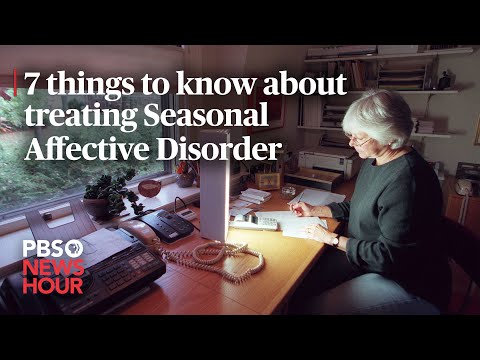
You know those gray winter days when you feel like a walking zombie? Ugh, right? It’s like the sun just packed its bags and went on vacation, leaving us to deal with the gloom.
This is especially rough for folks dealing with Seasonal Affective Disorder, or SAD. It’s a real thing, not just an excuse to binge-watch Netflix under blankets.
But here’s the cool part: there’s something called phototherapy that can seriously help. Imagine soaking up some artificial sunlight indoors. Sounds weird, but it can brighten your mood and kick those winter blues to the curb!
Stick around; let’s chat about how this works and why it might be just what you need when the light starts fading.
Transform Your Mood: A Comprehensive Guide to Bright Light Therapy for Seasonal Affective Disorder (SAD)
Seasonal Affective Disorder, or SAD, can really feel like a heavy cloud hanging over you. It usually hits when the days get shorter in fall and winter. The struggle is real—low energy, mood swings, and all that fun stuff. One way to lift your spirits? Bright light therapy.
So, basically, bright light therapy involves sitting by a specially designed light box that mimics natural sunlight. This isn’t just any ol’ lamp; it’s bright—around 10,000 lux, to be exact! That’s way stronger than your average room light.
Now, let’s break down how this works:
- Boosts Serotonin Levels: Light exposure can help increase serotonin production in your brain. Serotonin is that feel-good chemical we all love. More serotonin usually means a better mood.
- Regulates Melatonin: Natural light helps balance melatonin levels too. Melatonin’s the hormone that tells your body when it’s time to sleep. Too much of it during the day? Yeah, that’s not good.
- Improves Sleep Patterns: With better melatonin regulation comes improved sleep quality. Who doesn’t want to sleep like a baby? Good rest can seriously influence how you feel during waking hours.
Studies back this up—lots of people have seen improvements after using bright light therapy consistently for about 20-30 minutes daily.
You might be thinking about how exactly to go about this therapy business. Here are some things you should keep in mind:
- Timing is Key: It’s best to use the light in the morning shortly after waking up. This helps kickstart your day and sets your body clock right.
- Distance Matters: You don’t have to sit super close; about two feet away from the light box is often recommended.
- No Sunglasses Required!: You wanna keep your eyes open while using it—staring directly at it isn’t necessary but don’t block out the light either.
But hey, don’t take my word for it completely! Everyone’s different; what works wonders for one person might not do much for another. It’s totally okay if you don’t see instant results either.
And just as an emotional touchpoint: I once had a friend who struggled with SAD; she’d tell me how hard winter was on her mood and energy levels. After trying bright light therapy last year, she said she felt like herself again! She noticed more energy and less of that blah feeling hanging around her.
But if you’re considering this option or feeling really low, chatting with a healthcare professional first is always wise—they’re there to help find what works best for you.
In short? Bright light therapy could be an effective tool in handling SAD symptoms. Just remember—it’s part of a bigger picture when it comes to feeling better!
Discover the Best Color Light for Alleviating Seasonal Affective Disorder (SAD)
Seasonal Affective Disorder, or SAD, is one of those things that can really drag you down when winter rolls around. You know the feeling: shorter days, less sunlight, and suddenly you’re craving carbs like it’s your job. Seriously, this condition hits a lot of people hard during the colder months. But there’s a light at the end of the tunnel—literally!
Phototherapy is one of the most common treatments for SAD. It involves exposure to bright light that simulates natural sunlight. So, when we talk about finding the best color light for alleviating symptoms, we’re looking specifically at bright white or blue-enriched light.
Here’s what you should know about color temperature:
- Bright White Light: This type typically has a color temperature around 5000 to 6500 Kelvin. Research suggests this range can be super effective because it mimics natural daylight.
- Blue Light: Some studies have shown that blue light therapy can actually be more effective than white light for some folks. Blue lights usually range from 400 to 490 nanometers in wavelength.
- Warm White Light: While cozy and inviting, warm tones around 2700 to 3000 Kelvin are not as effective in treating SAD symptoms.
It’s interesting how our brains respond to these colors. Blue light seems to boost mood better by influencing melatonin and serotonin levels in your body—two hormones that play big roles in regulating sleep and your mood.
Picture yourself sitting by a window on a gloomy day with a bright white lamp aimed right at you. That extra dose of «sunshine» helps signal your brain that it’s time to wake up and feel good again. But there’s more! It turns out timing matters too.
The best time to use phototherapy is usually early morning. Getting those bright rays in your system soon after waking can help set the tone for your whole day. Aim for about 20-30 minutes of exposure daily.
Now let’s chat about intensity—brightness matters! Ideally, you’re looking at a therapy lamp providing at least 10,000 lux (a measure of brightness). It might sound intense, but trust me; you’re not staring directly into the sun here; it just needs to be bright enough to penetrate those winter blues.
Just remember—you don’t want any nasty side effects like eye strain or headaches from staring directly into an unshielded lamp for too long! Always check if your lamp has UV filters since those rays can be harmful over prolonged exposure.
So look for lamps specifically designed for SAD treatment; they’re everywhere now thanks to growing awareness about mental health issues like this one!
In short, using bright white or blue-enriched lights during those dark months may really help lift spirits and improve overall mood when fighting off seasonal blues. Just find your perfect spot by that lamp in the morning, sip on some coffee (maybe with less added sugar), and soak up all that positivity!
Exploring the Benefits of Phototherapy in Treating Depression: A Comprehensive Guide
Phototherapy, also known as light therapy, is gaining attention for its role in treating depression, especially Seasonal Affective Disorder (SAD). You know how winter can feel so dark and dreary? That’s basically how SAD works. When the days get shorter, some people experience a drop in mood that can be tough to shake off.
So, what’s the deal with phototherapy? Well, it involves exposure to artificial light that mimics natural sunlight. This type of light is brighter than regular indoor lighting and aims to help reset your body’s internal clock. It seems to boost serotonin levels too—a chemical in your brain that really helps keep your mood on an even keel.
Here are a couple of key points about phototherapy you might find interesting:
- Timing is Everything: Most folks benefit from using a light box first thing in the morning. The idea is to trick your brain into thinking it’s getting more daylight. Ideally, you’d sit in front of the box for about 20 to 30 minutes.
- Not Just for SAD: While it’s super effective for Seasonal Affective Disorder, many people have found relief from other types of depression using this method too. If it can give you a little warmth on a chilly day, why not?
- Side Effects Are Rare: Seriously! While some people might get headaches or feel a bit jittery at first, most tolerate phototherapy well without major issues.
- Consulting Professionals : It’s always smart to talk with a healthcare provider before diving into any new treatment. They can help tailor the approach to your specific needs.
Here’s an emotional anecdote: Imagine Sarah. Every winter, she would feel like she was stuck in quicksand—gradually sinking deeper into sadness as the days grew shorter. After trying out phototherapy on her therapist’s suggestion, she started feeling brighter again. She found her energy returning and even started taking long walks outside just to soak up some sun whenever possible.
The thing is, while phototherapy has shown significant benefits for many people—it’s not a one-size-fits-all solution. Some may need medication or therapy alongside light exposure for optimal results. So why not explore all options that could help lift that gloomy cloud?
In short—phototherapy can be a powerful tool against depression when used correctly! With its ability to mimic natural sunlight and positively affect your mood hormones, it could be just what you need during those darker months! Just remember to consult with someone who knows their stuff before jumping in headfirst!
Alright, let’s chat about something that affects so many folks: Seasonal Affective Disorder, or SAD. Picture this: you’re just getting through the winter months, and it feels like the sun forgot about you. You know that heavy feeling? The way everything seems a bit grayer? Yeah, that’s SAD in action, bringing on those blues when the days are short and the weather is dreary.
I remember a friend of mine who used to get hit hard every winter. She’d feel sluggish all day, just dragging through life like she was walking in molasses. It was tough to see her like that because she’s normally so full of energy—like a little sunshine herself! But once she started using phototherapy—this cool light box thing—it was like someone flipped a switch for her. Suddenly, she had more pep in her step, and it made such a difference.
So here’s the deal with phototherapy: it’s about using bright light to help boost your mood. Basically, you sit in front of this special light for about 20-30 minutes each day. It mimics natural sunlight but without all those harmful UV rays. The idea is that it tricks your brain into thinking it’s getting more light than it actually is during those darker months. And science backs it up! Studies show that exposure to this kind of light can really help reduce symptoms of SAD.
But you gotta keep in mind—you’ve got to be consistent with it for best results. It’s not just a quick fix; think of it more as part of your winter self-care routine. Like cozying up with your favorite blanket and a hot drink while reading or watching TV.
Although some people might think it’s strange sitting in front of a box of light, for others—like my friend—it becomes part of their daily ritual. Plus, using phototherapy can also help improve sleep patterns and energy levels, making those long winter days feel a little less daunting.
At the end of the day, if you’re battling those winter blues or even if you know someone who does, exploring options like phototherapy could really brighten things up—literally and figuratively! Just remember: what works wonders for one person might not work as well for another. It’s all about finding what vibes right with you during those chilly months ahead!