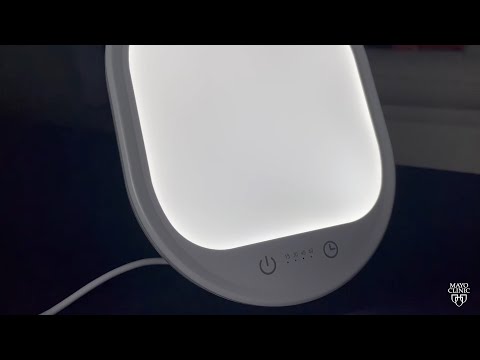
So, you know those gloomy winter days when the sun just seems to up and vanish? Yeah, those days can really drag you down. You get that heavy feeling like a blanket made of wet socks.
Well, if you’re nodding along, you might have heard about Seasonal Affective Disorder, or SAD. It sounds all technical and stuff, but it’s basically when the lack of sunlight messes with your mood. Like seriously.
But here’s the cool part—there’s this thing called phototherapy that can help. It’s like sunshine in a box! Imagine waking up and feeling a little lighter just because you soaked up some bright light.
Let’s chat about how this works and why it might just lift your spirits when those clouds are hanging around. Sounds good?
Exploring the Effectiveness of Light Therapy for Seasonal Affective Disorder: Benefits and Insights
Light therapy is a fascinating and often effective treatment for Seasonal Affective Disorder (SAD), a type of depression that tends to pop up during the fall and winter months when daylight is scarce. You know those days when you feel like you’re just dragging yourself through? That gloomy feeling can be linked to less sunlight hitting your eyes and, in turn, messing with your mood.
What is light therapy? It’s pretty simple, really. Light therapy involves sitting in front of a specially designed light box that mimics natural sunlight. The idea is to expose yourself to this bright light for about 20-30 minutes daily. This exposure might help boost your mood by influencing the brain’s production of certain chemicals—like serotonin—a neurotransmitter linked to feelings of happiness.
So, how does it work? Well, the bright light can help reset your internal clock and regulate your sleep-wake cycle. When your circadian rhythm gets thrown off because of less sunlight in winter, you might feel lethargic or moody. By getting that extra light, it can help realign things a bit.
Benefits of light therapy:
- Mood Improvement: Many people report feeling less depressed after starting light therapy.
- Increased Energy: That boost in serotonin helps with energy levels too; it’s like recharging your batteries!
- Better Sleep: Regular use can also help improve sleep patterns that may be disrupted during the darker months.
Here’s an example: Imagine Sarah, who dreads winter each year. She finds herself sleeping way more than usual and feels constantly down when there’s hardly any sun outside. After trying out a light box every morning while sipping her coffee, she notices she feels perkier and her mood lifts—it’s truly a game changer for her.
But not everything’s sunshine and rainbows. While many folks find relief through light therapy, it doesn’t work for everyone—so keep that in mind. Some may experience side effects like headaches or eye strain if they don’t use the device correctly or choose one that’s too intense for their sensitivity.
To really get the most out of it, consistency is key. Most experts suggest starting at the beginning of fall before symptoms kick in fully and continuing through spring to ward off those seasonal blues effectively.
Also worth noting: if you’re considering light therapy, consult with a healthcare provider first! They can guide you on how best to use it based on your personal health needs.
In short, light therapy could brighten up those dim winter days by keeping SAD at bay or at least providing some relief while waiting for spring flowers to bloom!
Bright Light Therapy for SAD: A Comprehensive Guide to Boost Your Mood
Bright light therapy is a popular and effective way to help people who are dealing with Seasonal Affective Disorder (SAD). If you’re feeling down when the days get shorter, this might just be what you need.
What is Seasonal Affective Disorder?
SAD is really a type of depression that hits during specific seasons, often in winter when sunlight is scarce. Some symptoms include feeling tired, sad, or hopeless. You might find yourself craving carbs or sleeping more than usual. Pretty rough, right?
How Does Bright Light Therapy Work?
The idea is simple: your brain needs light to regulate its mood. When there’s less natural sunlight in winter, it’s thought that serotonin levels drop. Bright light therapy mimics that sunlight by using special lamps that filter out UV rays. This exposure can help boost those serotonin levels, making you feel better.
So how do you use it?
- Timing: It’s best to use the lamp in the morning for about 20-30 minutes.
- Distance: Generally, sitting about 16-24 inches away from the light source works well.
- Brightness: Look for lights that offer around 10,000 lux, which is pretty bright but not blinding.
When Should You Start?
You might want to start light therapy as soon as the days start getting shorter. The goal here is to get ahead of those winter blues before they kick in.
I remember a friend named Lisa who used to struggle every winter. She’d feel so low and unmotivated that it really put a damper on her holidays. After she started using bright light therapy every morning while sipping her coffee, her mood improved dramatically! She felt more energized and ready to tackle her day.
Side Effects
Most people don’t experience side effects from bright light therapy; however, some may notice headaches or eye strain at first. If anything feels off or too uncomfortable, it’s always good to check in with your doctor.
Important Notes
While bright light therapy can be super helpful for SAD, it’s not a one-size-fits-all solution. It can work well combined with other treatments like medication or talk therapy if needed.
In short, if you’re feeling the weight of those gloomy days creeping in, bright light therapy could be worth considering! Just remember to stay consistent with it—like any other treatment plan—it might take some time before you notice big changes in your mood.
Exploring the Best Light Colors for Alleviating Seasonal Affective Disorder (SAD)
Seasonal Affective Disorder, or SAD, really affects a lot of folks when the days get shorter and the weather gets colder. It’s like that cloud of gloom just settles in, you know? One way to tackle this is by using light therapy. Basically, you sit in front of a special light box that mimics natural sunlight. But not all light colors are created equal when it comes to lifting those blues.
Bright White Light is often recommended for SAD therapy. This type of light can help kickstart your circadian rhythm and enhance your mood. It’s super precise—aiming for around 10,000 lux works best for most people. You want your light box to be bright enough to replicate that outdoor sunlight without staring into the sun directly.
Blue Light is another option that’s been studied a lot for its mood-boosting benefits. Research suggests that blue wavelengths can really activate your body’s biological processes in ways that other colors might not. A lot of people find blue light to be energizing.
Then there’s Full Spectrum Light. This one tries to imitate natural sunlight by including all visible wavelengths—kind of like bringing the whole sunshine experience indoors! Some folks find this warmth comforting, which may help them feel more at ease during gloomy months.
Now, let’s chat about warm colors. Think yellows and ambers. These colors are associated with warmth and comfort, so they can create a cozy vibe in your space even if you’re not directly using them as therapy lights. You might not get the same clinical benefits as with brighter options but they can definitely contribute to a more uplifting environment.
It’s also important to mention timing. Using these lights early in the morning can be super effective since you’re mimicking sunrise which helps reset your internal clock. Aim for 20-30 minutes each day and see how it feels.
Oh, and a personal story: I had a friend who struggled during winter months. Honestly, she was like a bear coming out of hibernation once she started using a light box regularly—it was seriously incredible! Just seeing her mood lift was so heartwarming; she went from being totally downcast to cheerful and productive again!
In summary:
- Bright white light
- Blue light
- Full spectrum light
- Warm colors for ambiance
- Best used in the morning
So if you’re wrestling with SAD this winter, consider experimenting with these different lighting options! They could just make those dark days feel a little brighter.
So, here’s the deal: when those winter months roll around and the days get short, a lot of us start feeling kinda low, right? You know what I mean? It’s like we switch to some sort of hibernation mode. For folks dealing with Seasonal Affective Disorder (SAD), this can be more than just feeling the winter blues. We’re talking real struggles with mood, energy, and motivation.
I remember a friend of mine who always seemed to dim down in the colder months. She loved summer—sunshine, picnics in the park, all that jazz—but as soon as fall kicked in, her vibe changed completely. It was like someone flipped a switch. She’d curl up on her couch under blankets and barely want to go out. I think she thought it was just a phase until she stumbled onto phototherapy.
So here’s how it works: phototherapy is about using bright lights to replicate natural sunlight. You sit in front of this special light during certain times of the day—usually in the morning when you really need that boost. The idea is that it tricks your brain into thinking it’s getting more sunlight than it actually is! Pretty neat, huh?
Some folks swear by it! They say their moods brighten up and they even feel more energized after just a couple weeks of consistent use. It’s not magic or anything, but for many people dealing with SAD, it really helps reset their internal clock—kind of like giving your brain a mini vacation to the beach.
Of course, it’s always good to chat with a professional before jumping into any treatment. Just because something works wonders for one person doesn’t mean it’ll be a perfect fit for everyone else.
In my friend’s case, she started using one of those light boxes every morning while sipping her coffee and reading emails—she said it made such a difference! She wasn’t instantly bouncing off the walls or anything dramatic but there was definitely some light coming back into her life (pun intended!).
So yeah, if winter has you feeling gloomy or if you know someone who struggles with SAD, maybe phototherapy could be a game-changer—or at least worth considering! It’s all about finding those little rays of hope during those dark days and treating ourselves kindly along the way.