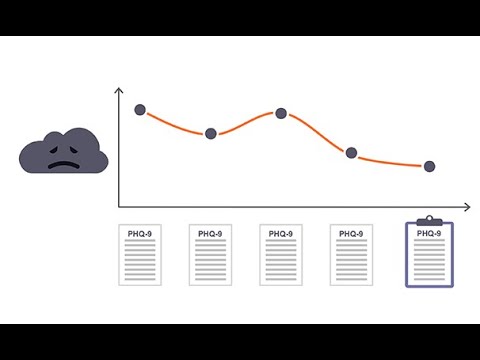
Hey! So, let’s chat about something that actually affects a ton of us—mental health. You know, it can feel really heavy sometimes, right?
Well, there’s this little tool called the PHQ-2. It’s super simple but plays a big role in spotting those pesky signs of depression.
Think of it like the first step on a path to feeling better. Just two questions, that’s it! Sounds easy, huh?
But here’s the kicker—it packs a punch when it comes to understanding how you’re doing mentally. So, let’s dig into what it is and why it matters.
Evaluating the PHQ-2: Effectiveness in Detecting Major Depression in Older Adults
The PHQ-2, or the Patient Health Questionnaire-2, is a quick screening tool for depression. It consists of just two questions that focus on mood and anhedonia—basically, the inability to feel pleasure. Pretty simple, right? But its effectiveness in spotting major depression, especially in older adults, is where things get interesting.
First off, let’s talk about reliability. Research shows that the PHQ-2 can effectively flag symptoms of depression. In older adults, it’s particularly useful because they might not always express their feelings clearly. Sometimes they can mask their distress with physical complaints or even dismiss them as just getting older. The PHQ-2 helps surface those feelings without needing a longer, more complex assessment.
Now, one key thing to note is **the sensitivity and specificity** of this tool. Sensitivity means how well it identifies those who do have major depression, while specificity refers to correctly identifying those who don’t have it. Studies suggest that the PHQ-2 has pretty good sensitivity—around 83%—meaning it’s likely to catch a lot of cases if they’re present. However, its specificity can be lower; this means some folks might get flagged even if they aren’t depressed.
Then there’s the question of context. Older adults might experience different types of depression compared to younger folks due to life changes like retirement or loss of loved ones. This can sometimes mean that while the PHQ-2 identifies potential issues, further evaluation is often needed for a full understanding.
So what do you do after someone screens positively on the PHQ-2? Well, it’s generally recommended to follow up with a more comprehensive tool like the PHQ-9 if concerns are raised. This full questionnaire dives deeper into the symptoms and gives healthcare providers clearer insight into what’s going on.
Also worth mentioning is accessibility! The beauty of the PHQ-2 lies in its simplicity. It doesn’t take much time at all—just a couple minutes—and it doesn’t require extensive training for administrators. For older adults who may face mobility issues or cognitive decline, this ease of use makes a big difference.
Lastly—and let’s be real here—mental health conversations can be tough for anyone but especially for seniors who grew up in times when discussing mental health was taboo or stigmatized. The brief nature of the PHQ-2 may help reduce anxiety around being assessed and create an opportunity for open dialogue about feelings and mental health.
To put it all together:
- The PHQ-2 is efficient, catching potential cases of major depression quickly.
- It has decent sensitivity but variable specificity.
- Context matters; follow-up with additional assessments when needed.
- Accessibility makes it ideal for older adults.
- Encourages open conversations around mental health.
So yeah, while no tool is perfect and context matters significantly with older adults—and really everyone—the PHQ-2 can definitely play an important role in detecting signs of major depression early on!
The Importance of Support Groups in Mental Health Recovery: How Community Can Aid Healing
Support groups play a huge role in mental health recovery. Seriously, they can be game-changers for those navigating the stormy seas of mental health issues. When you think about it, the power of community becomes really clear. You’re not battling this thing alone anymore.
So what makes support groups so vital? Let’s break it down:
- Emotional Support: Having a space where you can share your feelings openly can be really cathartic. It’s comforting to know that others are going through similar challenges. They’ll get what you’re talking about—like when you feel totally overwhelmed or just plain lost.
- Shared Experiences: Hearing how others cope with their struggles offers fresh perspectives and ideas. For example, someone might share a coping strategy that worked for them, which could resonate with you and help lighten your load.
- Sense of Belonging: Many people feel isolated when dealing with mental health issues. Support groups create a community where you can connect with others who understand your journey. This connection is like coming home after being away for too long; it just fits.
- Accountability: Sharing your goals in a group gives you that extra push to stick to them. It’s like having cheerleaders but without the pom-poms—just genuine encouragement from folks who care.
- Access to Resources: Groups often bring in speakers or share valuable resources about treatment options and local services, connecting you to tools that aid recovery.
You might think support groups are just about chatting, but they seriously help put things into perspective. Sometimes, hearing someone else’s story can flip a switch in your brain, making you see things differently.
Plus, consider the PHQ-2 (Patient Health Questionnaire-2). It’s basically a quick tool used by many healthcare providers to assess symptoms of depression. If someone comes into a support group and realizes they need more help based on their PHQ-2 results, guess what? The group can encourage them to seek professional guidance. This creates a feedback loop—you identify an issue, lean on your community for support, and then take action together.
Let’s be real: This whole process isn’t always easy or linear. There will be ups and downs; that’s life! But being part of something bigger than yourself helps almost like having safety nets when life throws curveballs at you.
In short, if you ever find yourself feeling down or stuck in your head—you know what I mean—you might want to check out local support groups related to whatever issue you’re facing. Community matters big time in healing—not just because it feels good but because it’s practical too!
Understanding the PHQ Scale: A Comprehensive Guide to Mental Health Assessment
The PHQ Scale stands for the Patient Health Questionnaire scale, and it’s a helpful tool for understanding mental health. Specifically, the PHQ-2 is a super short version used to screen for depression. It’s like a quick check-in about how you’ve been feeling lately. The good news is, it doesn’t take much time—just a couple of questions.
So, what’s the deal with the PHQ-2? Well, it asks you about two main things: how often you’ve felt down, depressed, or hopeless and how often you’ve had little interest or pleasure in doing things. You just rate these on a scale from 0 (not at all) to 3 (nearly every day). Easy peasy!
Now, why does this matter? The PHQ-2 helps identify if someone might be experiencing depressive symptoms right off the bat. If you score high enough on this two-question quiz, that usually means it’s time to dive deeper with the full PHQ-9. The PHQ-9 contains nine questions that build on those initial two and give a clearer picture of where you stand with your mental health.
Think about it like this: if you’re driving along and see your engine light flicker on, that’s your cue to check under the hood. The PHQ-2 is your engine light for depression; it signals when you might need more help.
Some things to note about the PHQ Scale:
- Accessibility: Most people can take it; no special training required.
- Simplicity: It’s quick and easy—like taking your temperature.
- Sensitivity: It can catch early signs of depression before they become serious.
- Anonymity: You can take it in private settings; no one has to know unless you want them to.
Feeling comfortable with self-assessment tools like this is key! Imagine someone who’s been feeling really low but hasn’t spoken up yet. They take the PHQ-2 and realize they’re not alone in feeling this way—it’s a starting point for getting support.
And remember, while scoring high on the PHQ-2 might sound scary, it just means there’s an opening for conversation. If you’re ever unsure about your results or feelings after completing one of these questionnaires, chatting with a therapist or counselor is always a solid next step.
So there you have it! Understanding tools like the PHQ Scale can make navigating mental health feel a bit less daunting. It’s all about getting informed and taking those first steps toward better mental well-being!
You know, when we talk about mental health, it’s easy to get lost in the jargon or the long assessment tools out there. But then there’s something like the PHQ-2, which is super simple and actually really helpful. So, what’s the deal with this tool?
The PHQ-2 is basically a quick questionnaire made up of just two questions focused on mood and interest in daily activities over the past two weeks. It’s not meant to replace full assessments or therapy but gives a fast snapshot of how someone might be doing emotionally. Like, if you’re feeling low or noticing less joy in stuff you usually like, those little indicators could be signs that something’s off.
I remember a friend of mine went through a rough patch. She was always bubbly and fun-loving, but one day she mentioned feeling “meh” about everything for weeks. When she opened up about it, she took the PHQ-2 on her phone as part of an online check-in with her therapist. Just those two questions helped her realize that her feelings weren’t something to just brush off—they were worth looking into more seriously.
The cool part? It doesn’t take much time at all! You can literally do it while waiting for your coffee or sitting on the couch scrolling your phone. That makes it pretty accessible for people who might be hesitant to dive deep into their feelings right away.
But here’s where it gets interesting; not everyone fits neatly into these boxes. Some people might score low on the PHQ-2 but still be struggling big time, while others could seem okay on paper yet feel awful inside. That’s why having open conversations about how you feel—beyond numbers—is super important.
In a world where mental health still carries some stigma, quick tools like the PHQ-2 can help break down barriers and start conversations. It gives folks an entry point to check in with themselves or even push them toward seeking help if they need it. It’s like having a little nudge that says, “Hey, maybe it’s time to take care of yourself.”
So yeah, while the PHQ-2 is just scratching the surface, it’s kind of amazing how something so simple can lead to bigger discussions about mental health and well-being. It’s all about taking that first step—sometimes even tiny ones count!