So, let’s chat about something that hits home for a lot of us: depression. It can feel heavy and confusing, right? But here’s the thing—there are ways to understand it a bit better.
You might have heard of the PHQ-9 score. Sounds all medical and serious, doesn’t it? But honestly, it’s just a simple tool to help figure out how deep that dark cloud is hanging over someone.
Basically, it gives you a snapshot of what you’re feeling. Not a magic cure or anything like that, but pretty useful if you’re trying to make sense of things.
Let’s break it down together!
Understanding Depression Severity: A Comprehensive Guide to the PHQ-9 Assessment
Depression can feel really heavy, like carrying around a backpack full of bricks. You know what I mean? The PHQ-9 assessment is one tool that helps figure out just how heavy that backpack is. It’s a simple questionnaire, but it gives a good picture of how someone’s feeling and the severity of their depression.
So, what’s the PHQ-9? It stands for Patient Health Questionnaire-9. The “9” refers to the nine questions it includes. Each question relates to symptoms you might have experienced in the past two weeks, like feeling down, losing interest in things you used to enjoy, or having trouble sleeping. The score you get from this quiz helps doctors see where you’re at.
You’ll answer each question on a scale from 0 to 3:
- 0: Not at all
- 1: Several days
- 2: More than half the days
- 3: Nearly every day
For example, if you often feel hopeless or worthless, and that’s happening nearly every day for two weeks straight, you might score high on that question. The scores from all nine questions add up to give your total PHQ-9 score.
Now let’s talk about what those scores mean:
- A score of 0–4 usually indicates minimal depression.
- A score of 5–9 suggests mild depression.
- A score between 10–14 points to moderate depression.
- A score between 15–19 shows signs of moderately severe depression.
- severe depression.
It’s kinda wild how just a few questions can reveal so much. But here’s the thing: this tool isn’t perfect. There are tons of factors influencing a person’s mental health that wouldn’t show up on a simple quiz. Things like past trauma or current life stressors play a big role too.
Let me share an example: A friend of mine took the PHQ-9 because he was feeling down after losing his job. He scored in the moderate range. While it was great that he had this measure to understand his feelings better, talking through those feelings in therapy helped him way more than just taking the quiz ever could.
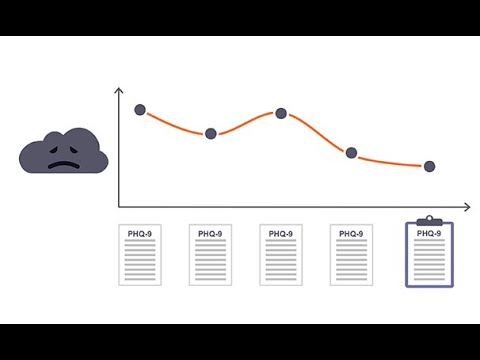
The PHQ-9 is definitely useful for tracking symptoms over time as well. If you’re working with a therapist or doctor, they might ask you to do it again after some weeks or months to see if things are getting better—or worse—and adjust treatment accordingly.
In short, while the PHQ-9 is an effective starting point for understanding if you’re struggling with depression and its severity level, remember it’s just part of your mental health story. You know yourself best! If things ever feel overwhelming or confusing, reaching out for support is totally okay—really!
Understanding Depression: Effective Methods for Assessing Severity
Depression is a heavy topic, isn’t it? It can feel overwhelming, and sometimes it’s hard to even pinpoint how you’re feeling. That’s where tools like the PHQ-9 come in, acting like a flashlight in a dark room.
The PHQ-9, or Patient Health Questionnaire-9, is a simple questionnaire used to assess the severity of depression. It’s based on the criteria for major depressive disorder and consists of nine questions. Each one asks how often you’ve been bothered by specific symptoms over the last two weeks. You know, stuff like feeling down, losing interest in things you usually enjoy, or having trouble sleeping.
When you take this questionnaire, you score each response between 0 (not at all) to 3 (nearly every day). So if you’re answering questions like “How often have you felt little interest or pleasure in doing things?”, your score can really help in understanding where you stand.
Here’s how the scoring breaks down:
So let’s say someone scores an 18. That means they might be dealing with some pretty significant feelings of sadness and hopelessness. They could benefit from talking to someone about it—like a therapist or counselor—who can help navigate those tricky emotions.
What’s great about the PHQ-9 is its accessibility. You don’t need fancy equipment or extensive training to use it. Just some quiet time and some honesty with yourself about how you’ve been feeling.
But remember, while the PHQ-9 is super useful for gauging severity, it’s just one piece of a much larger puzzle. A professional’s evaluation often combines this tool with other methods for diagnosing depression more comprehensively.
Feeling uncomfortable with your emotions is completely normal; many people experience that uncertainty at times—seriously! Just think back to when your friend was going through a tough time—they may have struggled to express what they were going through until they had someone they trusted right there beside them.
So whether you’re worried about yourself or concerned for a friend, don’t hesitate to reach out for support! Taking that step might make all the difference in understanding what you’re going through and finding pathways toward healing and hope.
Understanding the PHQ-9 Scale: A Comprehensive Guide to Its Use in Mental Health Assessment
The PHQ-9 scale is a widely used tool to assess depression severity. It’s super helpful for both patients and mental health professionals. But what exactly is it, and how does it work? Let’s break it down.
First off, the PHQ-9 stands for the «Patient Health Questionnaire-9.» It’s made up of **nine questions** related to symptoms of depression that you might have experienced over the past two weeks. You know, things like feeling sad, losing interest in activities, or having trouble sleeping. Each question asks you to rate how often you’ve felt that way on a scale from 0 (not at all) to 3 (nearly every day).
When you add up your scores from all nine questions, you get a total score that ranges from 0 to 27. Here’s where it gets interesting: this score can help determine the severity of your depression:
- 0-4: Minimal depression
- 5-9: Mild depression
- 10-14: Moderate depression
- 15-19: Moderately severe depression
- 20-27: Severe depression
You see how this works? The higher your score, the more severe the symptoms are considered to be. This can help doctors or therapists figure out what kind of treatment may be best for you.
Now let me tell you about a friend of mine who filled out the PHQ-9 during a tough time. She scored around 16—which falls in that moderately severe category. After talking with her therapist about it, they decided to explore therapy options more seriously and even consider medication if necessary. It was a real eye-opener for her; seeing those numbers made her realize she wasn’t just “going through a phase”—she needed some support.
Another thing that’s cool about the PHQ-9 is its use in tracking progress over time. After starting treatment, your doctor might ask you to complete it again after a few weeks or months. This gives everyone an idea of whether things are improving or if additional changes are needed.
But here’s a little caveat: while it’s incredibly useful, it’s just one piece of the puzzle in diagnosing depression. Mental health isn’t black and white—you can’t simply rely on scores alone to define someone’s experience.
Taking care of your mental health involves looking at various aspects—like conversations with professionals and understanding personal experiences—and not just numbers on paper.
In summary, understanding the PHQ-9 scale can really help demystify where you stand in your mental health journey. By assessing symptoms and keeping track over time, it’s easier for both patients and healthcare providers to find paths toward feeling better—together!
You know, if you’ve ever found yourself feeling a bit down or overwhelmed, you might have heard about the PHQ-9 score. It’s this handy little tool that doctors and therapists use to check how severe someone’s depression might be. Honestly, it feels pretty real when you sit down and fill it out. You answer a bunch of questions about how you’ve been feeling over the past two weeks. It covers stuff like your mood, energy levels, sleep patterns, and even your thoughts on life.
I remember a friend of mine who was really struggling with depression. One day, she decided to take the PHQ-9 just to see where she stood. I still recall her saying something like, “I didn’t realize just how much I was feeling this way until I saw those numbers.” That’s the thing with these scores—they can shine a light on what you’re going through, even if you’ve been trying to brush things under the rug.
So let’s break it down—each of those nine questions gets scored from zero (not at all) to three (nearly every day). Once you tally up your score, it falls into different categories: mild, moderate, or severe depression. Pretty straightforward! But don’t get lost in the numbers; remember that they’re just one part of the picture. It can feel validating when your score reflects what you’ve been experiencing; at least someone is acknowledging that struggle.
But here’s an interesting twist: sometimes people might downplay their feelings or not even realize how severe they are until they see their PHQ-9 score. It’s like flipping on a light switch in a dark room—you start to notice all those little things lurking around that you wouldn’t have caught otherwise.
Still, there’s no magic pill here! While the PHQ-9 is useful for tracking progress over time—like after starting therapy or medication—it doesn’t replace actual professional assessment or conversations with your therapist. It’s more like a helpful compass guiding the way rather than giving you all the answers.
In short, whether you’re taking it yourself or having someone else fill it out during a session, it opens up some important conversations about mental health and helps both patients and providers understand where things stand. So next time you hear about the PHQ-9 score? Well, think of it as one step in navigating those often murky waters of mental health!