You know, mental health can feel like such a tangled web sometimes. Like, one moment you’re feeling okay, and the next, everything just seems off.
That’s where something called the PHQ screening comes into play. It’s a little quiz that helps figure out how you’re really doing up in your head. Not sure if you’ve heard of it!
Imagine sitting down with someone who asks you a few questions about your mood or energy levels. Super simple, right? But it can be a way to dig deeper into what’s going on inside.
So, let’s chat about why this tool is pretty much a game changer for understanding mental health. You might just find it helpful for yourself or someone you care about!
Understanding GAD-7: A Comprehensive Guide to Generalized Anxiety Disorder Screening
Generalized Anxiety Disorder (GAD) can be a tricky thing to wrap your head around, especially when you’re trying to figure out if you or someone you know is dealing with it. That’s where the GAD-7 comes in. It’s a screening tool designed to help identify symptoms of GAD.
So, what exactly is the GAD-7? Well, it’s a self-reported questionnaire made up of seven simple questions. When you fill it out, each question asks about how often you’ve been bothered by certain problems over the last two weeks. This helps in getting a snapshot of your anxiety levels.
The questions cover things like:
- Nervousness or anxiety
- Difficulty controlling worry
- Able to relax
- Feeling restless or on edge
- Becoming easily annoyed or irritable
- Feeling afraid something awful might happen
- Difficulty concentrating
You rate each one from “not at all” to “nearly every day.” Your scores help professionals gauge how much your anxiety is impacting your life.
Okay, let’s talk scores. The total possible score ranges from 0 to 21:
0–4 means minimal anxiety;
5–9 indicates mild anxiety;
10–14 suggests moderate anxiety;
>15 points suggests severe anxiety.
If you end up scoring high, it’s a sign that things might need some more attention. But remember: this isn’t a definitive diagnosis! It just gives healthcare providers an idea of where you’re at.
Now, you might wonder why this matters. Well, early identification can lead to better outcomes! You’re not alone if you find yourself feeling like everything’s too much sometimes. Many people deal with similar feelings and finding help early can really change the game.
Also, GAD-7 is often compared with something called PHQ-9 for depression screening—these tools are super useful together because they pick up on different yet crucial aspects of mental health.
Think about it: screening like this opens the door for conversations around mental health that many people avoid but are so essential for well-being.
So if you notice signs of anxiety in yourself or someone else—like feeling constantly overwhelmed—it might be worth considering this little tool as a first step towards understanding and tackling those feelings head-on! Remember though, reaching out to a professional can give context and support that no questionnaire ever could provide alone.
Understanding the PHQ Questionnaire: A Key Tool for Mental Health Assessment
The PHQ Questionnaire is like a snapshot of your mental health. So, you know, it’s a tool that helps doctors and therapists get a clearer picture of how you’re feeling about life, stress, and everything in between. It stands for the Patient Health Questionnaire and is usually filled out in a doctor’s office or sometimes even online.
What’s it all about?
The PHQ is primarily focused on depression. It asks you about your mood over the last two weeks. Each question helps gauge how you’ve been feeling. For example, it might ask if you’ve felt down or hopeless lately. The answers are scored on a scale that ranges from “not at all” to “nearly every day.” You follow me? This scoring helps identify whether someone might be dealing with major depressive disorder.
Why does it matter?
Using the PHQ can help catch potential mental health issues early. You might think that’s just for therapists, but honestly, anyone can benefit from knowing where they stand emotionally. Plus, it keeps things simple for healthcare providers who may not have time for long sessions initially.
How does it work?
Let me break down some points:
Getting a high score doesn’t mean you’re broken or anything like that; it just shows there’s something worth exploring further.
A little anecdote: I remember when my friend filled this thing out before seeing her doctor. She was shocked by her score! She thought she was just having an off month, but it turned out her feelings were more serious than she realized. That moment pushed her toward getting help—something she needed but wasn’t sure about before.
Limitations to keep in mind:
While helpful, the PHQ isn’t perfect. It’s just one piece of the puzzle when assessing mental health. It can catch signs of depression but might miss other issues like anxiety or PTSD. So it’s really important for healthcare providers to consider these factors too.
In summary, the PHQ Questionnaire is an essential tool that simplifies discussing your mental health with professionals while highlighting any struggles you may face. It opens up conversations that could lead to better support and understanding in your life!
Downloadable PHQ-9 PDF: Your Essential Tool for Mental Health Assessment
So, you’ve probably heard about the PHQ-9, right? It’s a handy tool for checking in on your mental health, specifically when it comes to depression. The PHQ-9 stands for Patient Health Questionnaire-9, and it’s basically a self-assessment form that helps you gauge how you’ve been feeling over the past two weeks.
Why is it important? Well, first off, recognizing where you stand emotionally can be super crucial for getting the help you might need. Sometimes, it’s hard to pinpoint those feelings when you’re caught in the whirlwind of daily life. You know what I mean?
When you fill out this questionnaire, you’ll answer a series of nine questions about how often you’ve felt certain ways—like feeling down or losing interest in activities. Each question is scored from 0 (not at all) to 3 (nearly every day). By adding up your scores, you can get an idea of whether you’re experiencing mild, moderate, or severe depression.
Let’s break down some key points about why the PHQ-9 is pretty essential:
- Simplicity: It’s super easy to understand and complete.
- Self-awareness: Filling it out can help you reflect on your feelings.
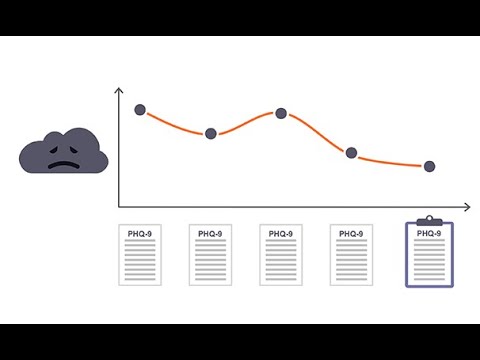
- Track Progress: You can use it over time to see if things are improving.
- Communication with Professionals: Sharing your scores with a therapist or doctor can really kick off some productive conversations.
Now, here’s where things get a little interesting. A lot of folks use the PHQ-9 as part of their regular check-ins with their mental health care providers. For example, if someone has been struggling but isn’t sure if they’re getting better or worse, running through this assessment again after a few months can show actual changes in their mental state.
It’s also worth noting that while the PHQ-9 is helpful for spotting depression symptoms, it shouldn’t be used as a standalone diagnosis tool. It’s more like an indicator that suggests whether or not further evaluation might be needed.
If you’re looking to grab a downloadable PDF version of the PHQ-9 for yourself—or maybe just want one to keep handy—it’s usually available through various health organizations’ websites. Just make sure you’re picking one from a reliable source!
One last thing: remember that being honest with yourself when answering those questions really matters. A lot of people tend to brush past those deeper feelings or concerns because they don’t want to admit them. Seriously though… give yourself permission to be real about how you’re doing!
In summary, using the PHQ-9 can be an empowering step towards understanding your mental health better. Whether it’s tracking your journey or just taking stock of where you are emotionally right now—this tool has got your back!
So, let’s talk about PHQ screening for a sec. It stands for Patient Health Questionnaire, and it’s pretty much a go-to tool for figuring out if someone might be dealing with depression or anxiety. But what does that actually mean in practice? Well, it’s like a little check-in with yourself that can guide you or your doctor in understanding how you’re feeling.
I remember my friend Sarah mentioning when she first filled it out. She was kind of nervous, thinking it would be all clinical and formal, but it turned out to just be a series of questions about her mood and how she’d been feeling recently. You know? Simple stuff like “How often have you felt down, depressed, or hopeless?” That really got her thinking about her emotions more deeply than usual.
The thing is, sometimes we don’t even realize how low we’ve been feeling until someone puts it into words for us. It’s almost like shining a flashlight on emotions that have been hiding in the shadows. So when Sarah saw the scores based on her responses, it opened up this entire conversation about what she was experiencing and what could help her feel better.
And here’s where it gets interesting: the PHQ isn’t just for doctors to use behind closed doors. You can totally take the lead by using it yourself! If something doesn’t feel right inside your head, taking this simple questionnaire can help you articulate what’s going on before talking to someone. It empowers you to share your feelings and experiences in a way that feels more structured.
Of course, no tool is perfect. Some folks might find the questions annoying or even too personal at times. It’s natural to feel uncomfortable diving into those deep waters of our emotional lives. But even if it’s tough, just engaging with this kind of self-reflection can be super helpful.
You know what’s wild? The conversations that come from these screenings—both with professionals and loved ones—can push us toward the support we need but didn’t even know we were missing! So yeah, PHQ screening is definitely not the only way to assess our mental health but think of it as a helpful nudge when you’re unsure about where you stand emotionally.
So if you’re ever debating whether or not to fill one out—just do it! You might discover something valuable about yourself along the way.