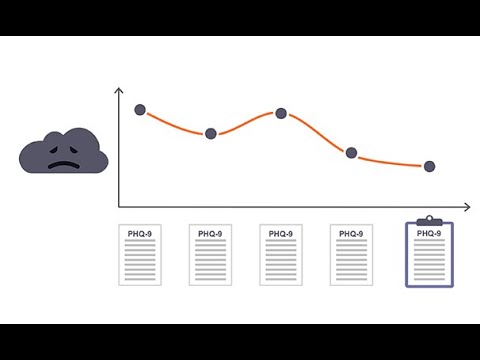
You know, mental health can feel like this huge puzzle sometimes. Like, you’re trying to figure things out but can’t find the right pieces.
That’s where the PHQ test comes in. It’s this handy tool that helps spot where you might be struggling.
Imagine having a little check-in with yourself. It’s not scary—I promise! Just some questions to help you understand what’s going on inside your head.
It’s kind of like taking your car for a tune-up. You want to make sure everything’s running smoothly, right?
So let’s break it down together and see how this test works and why it matters for your mental health journey!
Understanding GAD-7: A Comprehensive Guide to Measuring Anxiety and Promoting Mental Wellness
The GAD-7 is a tool used to measure anxiety. It’s pretty straightforward, honestly, and it helps both you and your healthcare provider understand how much anxiety is affecting your daily life.
GAD-7 stands for Generalized Anxiety Disorder 7-item scale. So basically, it asks you seven questions about how often you’ve been feeling anxious over the last two weeks. You rate each question on a scale from 0 (not at all) to 3 (nearly every day). Easy peasy!
You might wonder, why this matters? Well, understanding your anxiety level can lead to better treatment options and coping strategies. Think back to a time when you felt overwhelmed by worries—maybe about work or relationships—and how that impacted everything else in your life. Having a clearer picture of what you’re dealing with can be really empowering.
Let’s break down what the GAD-7 looks like in more detail:
- Question types: The GAD-7 focuses on common anxiety symptoms like feeling nervous, unable to stop worrying, or having trouble relaxing.
- Scoring: If you score between 0–4, that generally means minimal anxiety. A score of 5–9 indicates mild anxiety. If you find yourself scoring between 10–14, that’s moderate anxiety, while anything above 15 suggests severe anxiety.
- Finding help: The beauty of this tool? It opens up conversations with your doctor or therapist. With clear scores, they can work with you to figure out what steps to take next.
It’s funny how sometimes putting feelings into numbers can make things clearer. Imagine going into a therapy session feeling murky about what’s bothering you and walking out with an actual number that represents your angst!
And hey, it doesn’t stop there—this test can be repeated over time to see how things are changing for you. Are those coping strategies you’ve been trying out actually working? If you’re tracking progress and feeling less anxious over time, that’s fantastic.
So if you’re thinking about taking the GAD-7 or just curious about it—it’s worth checking out! It’s all about being proactive regarding mental wellness and finding a way through the fog of everyday worries.
Understanding PHQ-9 Scoring: A Comprehensive Guide to Assessing Depression
The PHQ-9, or the Patient Health Questionnaire-9, is a tool that helps assess depression. This isn’t just a checklist—it gives both you and your healthcare provider a clearer picture of how you’re feeling. You fill it out by answering questions about your mood and activity over the past two weeks.
So, how does it work? The test consists of nine questions, each focusing on specific symptoms of depression. For every question, you choose a number: 0 for «not at all» to 3 for «nearly every day.» The total score ranges from 0 to 27, with higher scores indicating more severe depression.
Let’s break down what those scores mean:
- 0-4: None to minimal depression. You might be feeling a little off but nothing too heavy.
- 5-9: Mild depression. There are some symptoms impacting your daily life but they’re not overwhelming.
- 10-14: Moderate depression. Here’s where it gets tough; symptoms are more pronounced and likely causing a noticeable impact on your life.
- 15-19: Moderately severe depression. You’re probably experiencing significant struggles with day-to-day activities.
- 20-27: Severe depression. This score indicates you’re facing serious challenges that can feel debilitating.
Each question hits on different aspects of how you’ve been feeling—like your mood, energy levels, and interest in activities you usually enjoy. Imagine someone asking if you’ve lost interest in hobbies like painting or hanging out with friends; it’s all about how these feelings have affected you recently.
Now, the thing is, filling this out isn’t always easy. It might bring up some uncomfortable feelings or realities about where you’re at mentally. But that’s totally okay! Recognizing these feelings is the first step towards getting help.
Once you’ve got your score, it becomes a conversation starter with your healthcare provider—someone who can help interpret these numbers in context with other factors in your life. They might discuss options for treatment based on your results which could involve therapy or medication.
One important thing to remember: scoring high doesn’t mean you’re alone; many people experience similar feelings at different points in their lives. Getting help doesn’t just mean taking pills or going to therapy; it can also mean lifestyle changes like exercise or reaching out to friends for support.
The PHQ-9 isn’t just some clinical formality—it’s a way to understand yourself better and seek the right support when things feel heavy. When understood correctly, this tool can lead to meaningful conversations about health and well-being!
Download the PHQ-9 PDF: A Comprehensive Tool for Depression Assessment
The PHQ-9 is a handy tool when it comes to understanding depression. Seriously, if you’re trying to wrap your head around how someone is feeling, this self-assessment can be a real lifesaver. So, what exactly is it? Well, the PHQ-9 stands for «Patient Health Questionnaire-9.» It’s a quick questionnaire with just nine questions that helps figure out the presence and severity of depression.
The great thing about it is that it’s pretty straightforward. You’ll find yourself answering questions about how you’ve felt over the past two weeks. Basically, you rate things like your mood, sleep patterns, interest in activities, and energy levels. This makes it personal and relatable.
You might be wondering why this matters for mental health assessment. The thing is, many people aren’t always aware of their feelings or how to articulate them. That’s where the PHQ-9 shines—it’s like a mirror reflecting your mental state back at you.
Now let’s look at some key elements of the PHQ-9:
Imagine someone who feels down but doesn’t know why they’re struggling. By filling out the PHQ-9, they might discover patterns they weren’t aware of before—like maybe their lack of interest in things they used to enjoy is tied directly to feeling low.
It’s also crucial for healthcare providers. They can use this information as part of a larger evaluation process. If someone scores high on the PHQ-9, it often leads to more in-depth discussions about treatment options like therapy or medication.
In short, downloading the PHQ-9 PDF isn’t just about having another form filled out; it’s about starting a conversation and taking steps toward understanding mental health better. Whether you’re using it for yourself or recommending it to someone else, it’s definitely worth considering as part of an overall approach to well-being.
So remember: assessing mental health doesn’t have to feel daunting! The PHQ-9 is here to make it simpler and hopefully lead you—or someone else—to brighter days ahead!
You know, when it comes to checking in on our mental health, it’s easy to feel overwhelmed. Life is hectic, and sometimes we just don’t know where to start. That’s where tools like the PHQ test come into play. It stands for Patient Health Questionnaire, and it’s a pretty simple way to get a snapshot of how you’re feeling.
I remember chatting with a friend who was going through a rough patch. She seemed distant and wasn’t her usual self. So one day, I suggested she try the PHQ-9—a version specifically designed to screen for depression. At first, she was hesitant and thought it might be silly to take a quiz about feelings, but I told her it could help her understand what she was experiencing better.
So, the thing is, this test asks about things like mood, sleep patterns, and energy levels over the past couple of weeks. It seems straightforward enough—just answering questions about how often you’ve felt certain ways—but those little prompts can really stir up some deeper emotions or realizations you might not even be aware of.
After taking the test, my friend had some eye-opening moments about her feelings. The results weren’t just numbers; they were a reflection of what she’d been grappling with silently. It helped her articulate things she hadn’t been able to voice before.
While the PHQ isn’t a magic wand that solves everything—it’s not like you take it and poof!—it can definitely guide you toward seeking help or having important conversations with someone who can provide support. And yeah, it might feel a bit clinical or cold at times—like you’re being reduced to checkboxes—but remember that it’s just one piece of the puzzle in understanding your mental health journey.
So if you’re feeling scattered or unsure about your emotional state, consider giving it a shot. You never know; those questions might lead you down a path of insight that helps you feel more grounded again!