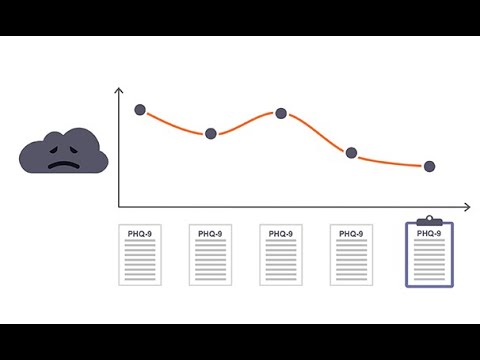
Hey! So, let’s chat about something that can be a little heavy but super important—depression. You know, it’s one of those things that can sneak up on you.
You might not even realize it at first. Maybe you’re feeling down, unmotivated, or just like you’re stuck in a rut. That’s where the PHQ-9 pops in.
It’s this handy little tool that helps folks figure out if they might be dealing with depression symptoms. Seriously, it’s like having a mini-check-in with yourself.
So, if you’re curious about what it is and how it works, stick around! It might just help you or someone you care about understand those feelings a bit better.
Understanding GAD-7: A Comprehensive Guide to Generalized Anxiety Disorder Assessment
So, let’s talk about GAD-7. It stands for *Generalized Anxiety Disorder-7*. It’s basically a super useful tool for helping doctors and therapists figure out if you or someone else might be dealing with Generalized Anxiety Disorder (GAD). This is a fancy way of saying that someone worries too much about all kinds of stuff, like health, money, or work. Sometimes, it’s like worrying just becomes part of your daily routine.
The GAD-7 survey consists of seven questions. You rate how often you’ve felt anxious over the past two weeks on a scale from 0 (not at all) to 3 (nearly every day).
Here’s what I mean:
- Feelings of nervousness or anxiety? Like, do you feel jittery or on edge?
- Can’t stop worrying? Are you stressing about things that might not even happen?
- Difficulties relaxing? Do you struggle to unwind after a busy day?
- Becoming easily annoyed? Do little things get under your skin more than usual?
- Feeling afraid something bad might happen? Is that gut feeling keeping you up at night?
- Trouble concentrating? Are your thoughts racing and hard to focus on one task?
- Physical symptoms: Do you notice any signs like sweating or heart palpitations when you’re stressed out?
Each question pinpoints specific areas related to anxiety. Once you’ve answered them, the scores are added up. A total score between 0 and 21 is generated.
And here’s the deal:
- A score of 0-4 is considered mild anxiety.
- A score of 5-9 indicates moderate anxiety.
- A score of 10 and above shows severe anxiety.
But it’s not just about the numbers! The GAD-7 gives healthcare professionals a snapshot of how distressing those feelings are for you. It’s kind of like looking at a map before heading out on a road trip; it gives everyone an idea of where to go next.
Now, let me share a quick anecdote because we can learn from real-life experiences too! A friend once took the GAD-7 because she couldn’t shake off this constant worry about her job performance, despite getting good reviews. Her score was in the moderate range, which helped her realize she wasn’t alone in feeling this way. With her therapist’s help, they worked together on strategies to manage those worries better.
This assessment isn’t meant to label anyone—it’s just one part in understanding mental health better! So whether you’re taking it for yourself or helping someone else through it, remember it’s an important starting point for discussions about mental wellness. It shows that asking questions—even tough ones—can be super helpful in figuring stuff out and finding ways forward together.
Downloadable PHQ-9 PDF: Track Your Mental Health with Ease
Tracking your mental health can be a big deal, especially when it comes to understanding how you feel and what’s going on in your mind. If you’ve heard of the **PHQ-9**, you’re already on the right path. It’s a simple tool that helps evaluate depression symptoms. And guess what? You can get a downloadable PDF version to track your progress easily.
The **PHQ-9** stands for the **Patient Health Questionnaire-9**. It’s got nine questions that help pinpoint symptoms of depression over the past two weeks. Sounds straightforward, right? Well, here’s how it works.
The questions are designed to assess things like:
- Little interest or pleasure: Have you been feeling like nothing excites you anymore?
- Feeling down: Are those waves of sadness crashing over you more often than not?
- Trouble sleeping: Can’t seem to catch those Z’s at night?
- Fatigue: Feeling drained even after a full night’s sleep?
- Poor appetite: Have you noticed changes in your eating habits?
- Feeling bad about yourself: Do negative thoughts creep into your mind more often?
- Trouble concentrating: Is focusing on tasks becoming harder?
- Moving or speaking slowly: Are people noticing a difference in how you’re moving or talking?
- Thoughts of self-harm: Have thoughts about hurting yourself popped up?
Each question is rated from 0 (not at all) to 3 (nearly every day). When you add up your score, it gives a clearer picture of where you stand emotionally. A higher score generally indicates more severe depression symptoms.
Now, let me share something personal. I remember when a friend of mine started using the PHQ-9 regularly. They were going through some heavy stuff and weren’t sure if they were just having bad days or if it was something deeper. Tracking scores week over week helped them see patterns—it became clear they needed support beyond just toughing it out alone.
When you’ve got the downloaded PDF handy, it’s super convenient for jotting down answers and keeping track without having to dig through notes or remind yourself of things every time you visit someone about your mental health. Plus, sharing this with your therapist can make discussions way easier since they’ll have concrete examples of what you’ve been feeling.
If you’re considering diving into this tracking thing, keep in mind that it’s one tool among many. It’s helpful as part of a bigger picture involving therapy or medication if needed, but using it consistently can truly provide insights into how you’re doing over time.
So yeah—take advantage of the PHQ-9 PDF! It’s just one way to step towards understanding and improving your mental well-being—and sometimes knowing is half the battle!
Understanding PHQ-9 Scoring: A Comprehensive Guide to Assessing Depression Levels
Let’s talk about the PHQ-9, which is basically one of those questionnaires that helps figure out how someone’s been feeling. It’s specifically designed to assess depression levels. You know, mental health is super important, and knowing where you stand can make a big difference.
The PHQ-9 consists of **nine questions**. Each one relates to symptoms of depression over the last two weeks. It’s pretty straightforward. You’ll get asked how often you’ve experienced things like little interest in doing things or feeling down, depressed, or hopeless.
So, here’s how scoring works: Each question has options ranging from 0 (not at all) to 3 (nearly every day). Here’s a quick breakdown:
- 0 points: Not at all
- 1 point: Several days
- 2 points: More than half of the days
- 3 points: Nearly every day
After answering all nine questions, you add up your scores. This total will give you a number between 0 and 27. Kind of like a game score but for your mental health!
Now, let’s look at what those scores mean:
- 0-4: No depression.
- 5-9: Mild depression.
- 10-14: Moderate depression.
- 15-19: Moderately severe depression.
- 20-27: Severe depression.
It’s really important to keep in mind that this isn’t a diagnosis on its own. If you score high, it doesn’t automatically mean you have clinical depression but it does suggest that maybe it would be good to talk with someone about how you’re feeling. Like when I was in college— I scored pretty high on mine during finals season. It helped me realize I needed some support and made me reach out for help.
Another key point? The PHQ-9 can also help track changes over time. If you’re working on your mental health with therapy or medication changes, retaking the PHQ-9 can show if you’re making progress or if something might need tweaking.
To sum it up: The PHQ-9 is an excellent tool for assessing your levels of depression. Just remember; it’s just one piece of the puzzle! Don’t hesitate to connect with a mental health professional if this resonates with you!
The PHQ-9 is pretty interesting, if you ask me. Like, it’s this simple questionnaire designed to help doctors figure out how severe someone’s depression might be. You know how some days you just feel off but can’t quite pin down why? The PHQ-9 gives you a chance to put your feelings into words.
I remember a friend of mine was going through a tough time. She felt low and was constantly tired but thought it was just “part of life.” When she took the PHQ-9, she realized her symptoms weren’t just normal sadness; they were linked to something deeper. It was eye-opening for her and made her seek help sooner than she would have otherwise.
So yeah, the tool asks questions about stuff like your mood, sleep patterns, and energy levels over the past two weeks. It sounds simple enough, right? But it really does help paint a picture of what someone is experiencing day-to-day. It also gets people talking about their feelings in a structured way, which can be huge since many folks struggle with that.
And let’s face it—self-assessment can be kind of scary. Like, who wants to confront their own darkness head-on? But sometimes that honesty is the first step toward healing or getting the right kind of support. So while it might seem like just a bunch of boxes to check off, the impact can be pretty monumental for someone trying to navigate their mental health journey.
It’s not the end-all-be-all of diagnosing depression or anything like that, but I think it plays an important role in making sure people don’t feel alone in their struggles. And honestly? That makes all the difference when you’re facing a tough battle within yourself.