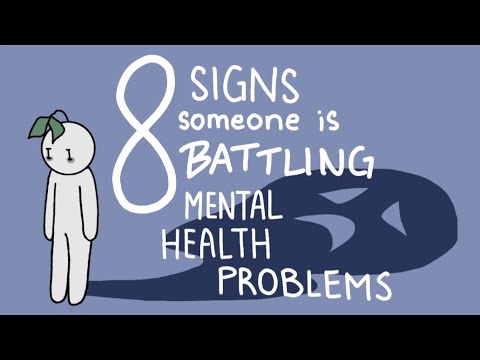
You know, when we think about sadness, we often picture the emotional side of it. Like, tears and heavy hearts. But there’s way more to it!
Sometimes, our bodies have a language of their own. They might just be whispering—well, okay, more like shouting—that something isn’t right.
So, if you’ve been feeling a bit off lately and can’t quite put your finger on it, maybe you’re noticing some unusual physical signs? It’s like your body is trying to clue you in about your mental state.
Let’s chat about those signs! You might just catch a glimpse of what’s going on inside.
Exploring the Physical Sensations of Sadness: Understanding Your Body’s Response
Sadness is one of those emotions that really hits hard, and it doesn’t just stay in your head. Your body feels it too, you know? It’s kind of like your emotions have a way of expressing themselves physically, and sometimes you might not even realize it’s happening. Ever had that heavy feeling in your chest or a tightness in your throat? Yeah, that can be sadness making itself known.
Common Physical Signs of Sadness
So, let’s break down some physical sensations that often come along with sadness:
- Chest tightness: You might feel like there’s a weight sitting on your chest. It can be really uncomfortable, and it sometimes feels hard to breathe.
- Fatigue: Feeling just plain exhausted out of nowhere? Sadness can sap your energy levels fast. It’s like running a marathon without even moving.
- Changes in appetite: Some people lose their appetite when they’re sad, while others might find comfort in food. It’s like the body tries to cope in different ways.
- Tension headaches: Stress from sadness can lead to tension headaches. You know the ones—tight band around your head feeling? Yeah, that’s no fun.
- Mood swings: Maybe you’re feeling fine one moment and then suddenly down again. That whiplash effect is common with sadness.
Think about a time when you felt really low. Maybe you cried a lot or just felt heavy all day long. That physical ache isn’t just mental; it’s real. I remember a friend going through a breakup and saying they felt like they were carrying around this «dark cloud» everywhere they went. They had no energy and even started getting headaches—classic signs that sadness was taking its toll on both their mind and body.
Your Body’s Response
When you’re sad, your brain releases hormones like cortisol—often called the stress hormone—because it thinks you’re dealing with something tough. This hormonal response triggers all those bodily sensations we just talked about.
Coping Mechanisms
Understanding these sensations is super important because recognizing them can help you figure out how to cope better:
- Talk it out: Sometimes sharing what you’re feeling can lighten the load.
- Move around: Getting up and doing some light exercise can help shake off those heavy feelings.
- Breathe deeply: Simple breathing exercises may ease that chest tightness too.
Your body speaks its own language when it comes to emotions. And listening up could be the key to feeling better. It’s all connected: mind, body, and spirit!
So if you’re noticing these signs showing up more often than not, take a moment to check in with yourself—because sadness isn’t just something you feel; it’s something you experience physically as well.
Recognizing the Physical Signs of Emotional Struggles: Key Indicators to Watch For
Recognizing the physical signs of emotional struggles is super important. You might not realize it, but your body can really shout out when something’s off emotionally. Let’s break down some common physical signs that might indicate you or someone you know is feeling sad or overwhelmed.
1. Changes in Sleep Patterns
If you’re having trouble sleeping or sleeping way too much, that could be a red flag. You know how sometimes you just can’t fall asleep? Or maybe you hit snooze six times because getting out of bed feels impossible? Both can signal underlying sadness.
2. Appetite Fluctuations
Sometimes, emotional struggles mess with your appetite. Ever noticed you’re craving junk food or, on the flip side, can’t eat at all? That’s your body’s way of reacting to how you’re feeling inside.
3. Fatigue and Low Energy
Feeling tired despite a full night’s sleep? Ugh, it’s frustrating! When our emotions are heavy, it can drain your energy levels. Simple tasks might feel like climbing a mountain—seriously exhausting!
4. Muscle Tension and Aches
Do your muscles feel tight for no clear reason? Emotional distress can cause real physical pain, like headaches or stomachaches. It seems weird, right? But stress and sadness are known to show up in our bodies.
5. Increased Heart Rate
Your heart might race unexpectedly when you’re feeling down or anxious. Maybe you’ve felt that fluttering when thinking about something heavy on your mind? That could be an emotional response showing itself physically.
6. Difficulty Concentrating
Struggling to focus at work or school? You’re not alone! Emotional stress can cloud your mind and make it hard to think straight, which ultimately affects performance and decision-making.
It’s really important to pay attention to these signs—not just for yourself but also for others around you. If you notice these symptoms hanging around for a while, it might be time to reach out for help from someone who understands what you’re going through.
Emotions are tricky things; they don’t always stay neatly packed away in our minds—they leak out into our bodies too! And sometimes recognizing these connections is the first step towards finding the right support you need to feel better again. Remember: it’s okay to ask for help when things get tough!
Understanding the Physical Symptoms of Mental Health: A Comprehensive Guide
Mental health and physical health are more connected than we often realize. Seriously, emotional experiences can show up in our bodies in unexpected ways. Let’s break down how mental health can manifest physically, especially when it comes to sadness.
When you’re feeling low or out of sorts, your body might react in ways that can surprise you. These could range from subtle hints to more intense reactions. Here are some key signs that sadness or other mental struggles might be taking a toll physically:
- Fatigue: Feeling super tired? Like, no matter how much sleep you get? That’s a common one. Sadness can drain your energy levels.
- Changes in Appetite: Some people find they eat way too much or not at all when they’re feeling down. It’s like your feelings decide what you’re hungry for.
- Aches and Pains: Ever get random body aches and you have no clue why? Stress and sadness can actually cause muscle tension and pain.
- Sleep Problems: Struggling to fall asleep? Or maybe you can’t stop sleeping? Both extremes are tied to mental health issues.
- Headaches: Those pesky headaches may pop up more during tough emotional times. It’s like your brain’s way of saying it needs a break!
Imagine someone I know—let’s call her Jess. She went through a rough patch after a breakup. And man, did her body start acting up! She began experiencing constant headaches and couldn’t shake off this heavy fatigue. Sometimes, she wouldn’t even feel like eating breakfast. Instead of seeing these as mere annoyances, she later recognized them as signals from her mind saying something deeper was going on.
Physical symptoms don’t just pop up randomly; they come from the complex relationship between the brain and body. When you’re sad or anxious, your brain releases stress hormones like cortisol, which can throw everything out of whack—your digestion, sleep cycle, even your immune system!
So if you notice physical changes alongside feelings of sadness—like being more irritable or finding it harder to focus—don’t brush it off as nothing; it could be important feedback from yourself.
In essence, our bodies communicate with us in ways we don’t always catch right away. By paying attention to these signs, we can better understand ourselves emotionally and physically. You follow me? Taking care of both is essential for overall well-being!
So, let’s chat about something that we often overlook: the physical signs of sadness and how they might connect with mental health. You know, it’s not just about feeling down in your head; sometimes your body gives you little clues too.
Think about a friend who’s usually bubbly but suddenly seems sluggish. You notice they’ve stopped taking care of themselves – like skipping meals or losing interest in things they used to love. That’s a subtle but telling signal, right? Or maybe you’ve felt it yourself. Those days when getting out of bed feels like climbing a mountain. You might find yourself with achy muscles or headaches that don’t seem to quit.
Anecdote time! I remember this one winter when I was really low. I noticed I had these constant stomach pains. Seriously, it felt like my gut was staging a protest every single day! Turns out all that stress and sadness were manifesting physically. It was wild how my body reacted without me even realizing it at first.
There are other signs too, like changes in sleep patterns. Some people find it hard to sleep at all, while others might just want to sleep through life, you know? And then there are those times when we find ourselves more irritable or easily frustrated for no apparent reason—it’s like our emotions are on overdrive and our bodies follow suit.
It’s kind of nuts if you think about it: sadness can seep into our physical existence in ways we don’t always catch right away. That’s why being aware of these signs is super important—it helps you check in on yourself or someone else who might be struggling without saying a word.
So next time you feel off or see a friend who’s acting differently, maybe take a moment to consider the whole package—mind and body together—they both matter in this journey through life!