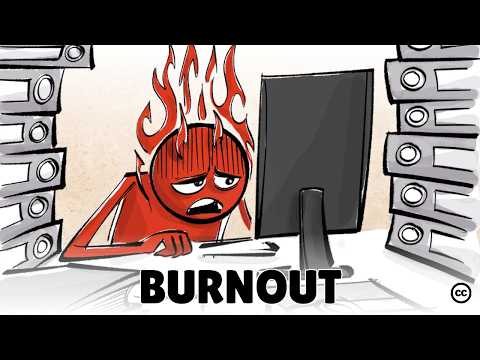
Hey, have you ever felt completely wiped out? Like, you just can’t find the energy to do anything? You’re not alone.
Physical exhaustion isn’t just about being tired. It seeps into your mind and messes with your mood. Suddenly, everything feels heavier, right?
You could have the most beautiful day ahead of you, but if your body is running on empty, it’s like looking at a gray sky.
Let’s chat about how that endless fatigue affects our mental health. Because seriously, it’s a big deal!
Recognizing the Signs of Mental Exhaustion: Understanding Its Symptoms and Effects
Mental exhaustion is one of those things that creeps up on you, like when you’re binge-watching your favorite show and suddenly realize it’s 3 AM. It can sneak in slowly, leaving you drained without even noticing it at first. But figuring out the signs of this kind of burnout is vital for your mental well-being.
When you’re mentally exhausted, it often feels like your brain’s running a marathon without a finish line. You might experience symptoms such as:
- Constant fatigue: You might feel physically fine but mentally worn out. It’s like trying to push through thick fog.
- Difficulty concentrating: Ever try to read the same sentence over and over again? That’s the brain saying, “I’m done!”
- Increased irritability: Little things start to bug you more than usual—like someone chewing loudly or asking simple questions.
- Anxiety or restlessness: You could feel on edge or just have this nagging feeling that something’s not right.
- Withdrawal from social activities: Suddenly hanging out with friends seems exhausting instead of fun. You might prefer your couch over a night out.
- Sleep disturbances: Struggling to fall asleep or waking up all night can be common when stress takes hold.
Let’s face it; we all hit those zones where everything feels overwhelming. Like that time I was juggling work deadlines, family stuff, and trying to fit in some self-care—my brain felt like a computer with too many tabs open!
Physical exhaustion often tags along with mental fatigue, too. It could be from not getting enough sleep or pushing yourself too hard at work or in life generally. Your body may be telling you it’s time for a break; if only you’d listen!
Ignoring these signs can send you spiraling into deeper issues like anxiety disorders or depression. Basically, being burned out doesn’t just impact how you think—it’s going to affect how you feel and even how you act around others.
Balancing physical health with mental wellness is crucial here. If you’re feeling these symptoms piling up on each other like laundry on a chair, it’s time to take action. Sometimes even small changes can help restart your system: try taking mini-breaks during work hours, incorporate some light exercise, or just reach out to someone who gets it.
Check in with yourself regularly! A simple “How am I feeling today?” can make a world of difference. Recognizing what’s off allows for better care for yourself down the line. In short: don’t let mental exhaustion become your norm; listen when your mind begs for mercy!
10 Effective Strategies to Overcome Mental and Physical Exhaustion
Feeling constantly drained? You’re not alone. Mental and physical exhaustion can hit anyone, and it’s tough to shake off. But there are some effective strategies you can use to help recharge your batteries.
- Prioritize Sleep: No kidding! Sleep is vital for recovery. Aim for 7-9 hours each night. Lack of sleep can mess with your mood and focus, leading to a vicious cycle of fatigue.
- Stay Hydrated: Drinking enough water is super important. Dehydration can make you feel tired and cranky. So, try to sip water throughout the day instead of just chugging it when you’re thirsty.
- Balanced Nutrition: What you eat impacts how you feel. Load up on fruits, veggies, lean proteins, and whole grains. Seriously, think about how good a fresh salad or smoothie feels after you’ve been snacking on junk!
- Regular Movement: I know, exercising sounds exhausting in itself! But even short walks or simple stretches can boost your energy levels. It gets the blood moving and helps clear your mind.
- Meditation or Mindfulness: Taking a few minutes to breathe deeply can work wonders on stress levels. Just sitting quietly and focusing on your breath might reduce that overwhelming sense of fatigue.
- Limit Screen Time: Technology is great but too much screen time can lead to mental fatigue. Try unplugging for a bit, especially before bed—it’s amazing how much nicer sleep feels when you do!
- Create a Routine: Having a daily routine can reduce decision fatigue. When you know what to expect each day, it cuts down on mental load and helps organize your thoughts better.
- Pace Yourself: Whether at work or home, don’t overcommit. Learning to say no might be hard but protecting your energy is essential for maintaining stamina.
- Sociability: Connecting with friends or family—even if it’s just a quick chat—can lift your spirits significantly! Social interactions often remind us we’re not alone in this struggle.
- Your Own Space: Create a little sanctuary for yourself where you feel safe and relaxed. Sometimes just having that space helps deal with the chaos outside.
The thing is, these strategies might take some time before you notice the benefits fully; that’s okay! Just be gentle with yourself while figuring out what works best for you. It’s about finding balance in life while giving yourself permission to rest when needed—because seriously? You deserve it!
Recognizing the Symptoms of Mental Drain: How to Identify and Overcome Emotional Exhaustion
Emotional exhaustion, or mental drain, can sneak up on you. It’s like that fog that rolls in one day and suddenly everything feels heavy, like you’re trudging through sludge. Recognizing the symptoms isn’t just about feeling tired; it’s deeper than that.
First off, fatigue hits hard. You might find yourself completely wiped out even after a full night’s sleep. It’s that stage where you wake up and think, “Seriously? I’m still tired?” It can feel like your brain is running on empty all the time.
Next, irritability often rears its head. You might snap at your loved ones or feel moody for no reason at all. One minute you’re fine, and the next minute someone’s chewing too loudly and it gets under your skin like a splinter. Frustration builds without much cause.
Lack of motivation is another telltale sign. You could be staring at a mountain of tasks and find yourself saying things like “I’ll do it later” – but later never seems to come. The drive just isn’t there anymore.
If you notice difficulty concentrating, that can also signal emotional exhaustion. Tasks become overwhelming, and you might catch yourself daydreaming instead of focusing on what’s in front of you. Remember that time when your mind just blanked during a crucial meeting? Yeah, that could be connected.
Another symptom is feeling disconnected. Like when you’re going through the motions but not really feeling them? Maybe scrolling through social media feels more appealing than hanging out with friends or family because connecting with others feels tiring.
Your physical health can take a hit too! Headaches or muscle tension, for instance—those little but annoying aches can worsen when you’re drained emotionally. Don’t brush them off as just stress; they’re signals from your body saying it needs a break!
So how do we tackle this beast of emotional exhaustion? Finding ways to recharge is key! Think about self-care. Whether it’s a long walk outside, reading a book you love, or taking some time to meditate—these small acts matter.
Talking it out helps as well! Sometimes opening up to someone about what you’re experiencing can lift a massive weight off your shoulders. Find that friend who always listens without judging—you know who they are!
You might also consider winding down after busy days. Creating a nighttime routine—like putting away screens an hour before bed so your mind has space to chill—can really change how rested you feel the next morning.
If emotional exhaustion lingers despite trying these things, reaching out to someone who knows their stuff in mental health isn’t a bad idea either! A therapist can provide tools tailored specifically for what you’re dealing with.
The takeaway? Recognizing these symptoms is so important! Emotional exhaustion doesn’t just disappear on its own; sometimes it takes effort to change how we feel—and that’s okay! You deserve care that lifts your spirits back up!
Have you ever felt that bone-deep tiredness that just doesn’t seem to go away? You know, when even getting out of bed feels like climbing a mountain? It’s wild how exhaustion can seep into your mind as much as your body, isn’t it?
I remember a time not too long ago when I was juggling work, family commitments, and trying to stay sane during all of it. There were days I’d wake up feeling like a zombie. I’d brew my coffee and hope it would kick in fast enough. Spoiler alert: it usually didn’t. Instead of being this vibrant version of myself, I felt foggy and cranky. Everything started to feel overwhelming—little tasks became mountains, and honestly, my patience was wearing thinner than my worn-out sneakers.
Physical exhaustion can affect your mood big time. When you’re drained, the little things that normally wouldn’t bug you can send you over the edge. You snap at loved ones or find yourself struggling to focus on anything. It’s like trying to watch a movie with the sound turned down—you get it, but it’s not quite right.
And here’s the kicker: this constant state of tiredness can lead to anxiety or depression. Seriously! If you’re always on empty, it skews how you see everything around you. You start doubting yourself—your capabilities—and suddenly that negativity wraps around you tighter than your favorite blanket in winter.
So what do we do about this? Well, recognizing that it’s not just “in your head” is super important. Maybe you’re taking care of your mental health by talking about stuff or seeing a therapist—but if you’re dragging physically all the time? That needs attention too! Sometimes just listening to your body is enough; maybe it’s telling you to take a day off or slow down.
It’s all about balance—yeah, easier said than done—but really, giving yourself permission to rest could be one of the most healing things for both mind and body. After all, we can’t pour from an empty cup, right? So don’t forget to check in with yourself every now and then; both physically and mentally!