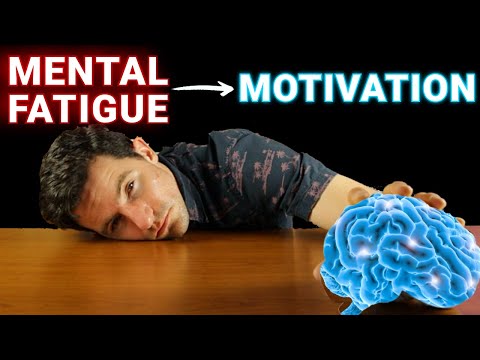
You know that feeling when you just can’t? Like, every little thing suddenly feels way too heavy to handle? Yeah, that’s emotional and mental exhaustion.
It sneaks up on you like a thief in the night. One moment, you’re cruising through life. The next, you’re knee-deep in fatigue and overwhelm.
Seriously, it can hit anyone. You can be juggling work, relationships, or even just your own thoughts—it doesn’t matter. And bam! You feel drained.
You might be thinking, “What’s wrong with me?” Spoiler alert: You’re not alone in this.
So let’s chat about it. What does it feel like? Why does it happen? And most importantly, how do we deal with it?
Reclaim Your Energy: Effective Strategies for Overcoming Physical and Mental Exhaustion
Feeling wiped out? Like, really drained both physically and mentally? You’re not alone. Many people experience this overwhelming sense of exhaustion that seems to come out of nowhere. The thing is, sometimes it hits you subtly, like a heavy blanket slowly being tossed over your shoulders.
Physical and mental exhaustion can often feel like they go hand in hand. When your mind is racing or weighed down with worries, it can zap your physical energy too. It’s not just about being tired; it’s like trying to run a marathon with no training or sleep. Seriously, who wants to feel like that?
One way to start reclaiming your energy is by prioritizing rest. Yeah, I know it sounds simple, but hear me out. Sleep isn’t just a luxury; it’s a necessity for our minds and bodies to recharge. Getting into a good sleep routine can work wonders. Like, have you tried going to bed at the same time every night? Your body loves that consistency!
- Mindful breaks: Try taking short breaks throughout the day. Step outside for some fresh air or stretch a bit in your living room. Even a five-minute breather can lift that fog.
- Stay hydrated: Water is your best friend! Dehydration can amplify feelings of fatigue. Aim for those eight glasses a day—your body will thank you.
- Nourish yourself: Eating well isn’t just about fitting into your favorite jeans; it’s about fuel! Fresh fruits, veggies, and whole grains give you that long-lasting energy boost.
You might also want to explore mindfulness techniques. Practices like meditation or deep-breathing exercises help calm the chaos swirling in your head, allowing for clearer thinking and less stress on your system. Imagine sitting quietly for just five minutes focusing on your breath; it’s simple yet super effective!
If you’ve ever been caught in an emotional storm—like after a breakup or losing a job—you know how draining those feelings can be. In times like these, connecting with friends or talking through things can lighten the load significantly. Sometimes just sharing how you feel helps lift that heavy weight right off your shoulders.
- Set boundaries: Learn to say no when you need space or time for yourself! Guarding your energy is crucial; don’t be afraid to step back.
- Pursue hobbies: Dive into things you love! Whether painting, gardening, or playing video games, doing what sparks joy revitalizes both mind and spirit.
- Create routines: Having some structure gives you predictability amidst life’s chaos—this can really bring comfort when you’re feeling drained.
This journey of reclaiming energy takes time and patience; don’t rush the process! It’s all about small steps that lead to big changes over time. Trust me: once you start implementing these strategies into your life regularly, you’ll begin feeling lighter and more energized before long!
If it feels overwhelming when you’re navigating these feelings alone—or if nothing seems to work—consider reaching out for help from a professional therapist or counselor who gets what you’re going through. You don’t have to shoulder this alone!
Your well-being matters more than anything else in this world—so take those leaps toward reclaiming what’s yours: Your energy!
Understanding Mental and Emotional Exhaustion: Signs, Causes, and Strategies for Recovery
Mental and emotional exhaustion is something a lot of us experience, but it can be tricky to pin down. Basically, it’s that feeling when you’re just running on empty. You might feel tired all the time, even after a full night’s sleep. It’s like your brain and emotions decided to take a permanent vacation, and you’re left in the office wondering where everyone went.
Signs of Mental and Emotional Exhaustion
You know the feeling of being super drained? Here are a few signs that might help you realize if you’re in that space:
- Constant fatigue: You wake up tired, and even small tasks feel like climbing a mountain.
- Lack of motivation: Things you used to love now seem boring or overwhelming.
- Irritability: Little things make you snap; you’re just more on edge than usual.
- Difficulties concentrating: Your brain feels foggy, and focusing is like trying to catch smoke with your bare hands.
- Emotional numbness: You might start feeling disconnected from your feelings or even from those around you.
Each person can experience these signs differently. For example, my buddy Jake recently described how he just couldn’t find joy in his favorite video games anymore—even though he used to spend hours playing them. That lack of enthusiasm is what clued him into something being off.
Causes of Mental and Emotional Exhaustion
So why does this happen? There are lots of reasons behind mental and emotional exhaustion:
- Chronic stress: It’s like living with a low-grade fever; it wears you down over time.
- Lack of self-care: When was the last time you took a day for yourself? You need those breaks!
- Persistent anxiety or depression: These conditions can really sap your energy.
- Pushing through stressors: Sometimes we think we can just power through when really we need to pause.
Take Sarah’s story for instance. She’s been juggling her job and caring for her aging parents without asking for help. After months of this routine, she hit a wall—she felt lost and overwhelmed.
Strategies for Recovery
Getting back on track after feeling this way takes some intentional steps:
- Set boundaries: Learn to say no sometimes! It’s okay not to take on every project at work or every family obligation.
- Pace yourself: Break tasks into smaller chunks; don’t try to eat the whole cake at once!
- You need breaks! Schedule some downtime during your week—whether that’s reading, taking walks, or sipping coffee without distractions.
- Talk it out: A chat with friends or a therapist can provide fresh perspectives and relieve some pressure off your chest.
It’s about finding what works best for you. I remember my colleague Anna started journaling her thoughts as part of her self-care routine. It helped her process emotions she didn’t even realize were weighing her down.
Recognizing mental and emotional exhaustion isn’t easy—it creeps up on us silently sometimes. But once you spot it, there are ways to deal with it effectively. Remember: taking care of your mental health is as important as looking out for physical well-being! So listen to yourself and give yourself permission to rest—you deserve it!
Recognizing the Symptoms of Mental Drain: How to Identify and Address Emotional Exhaustion
So, emotional exhaustion. It’s like that feeling when you’ve been running a marathon and just can’t take another step, but instead of running, you’re just trying to deal with life. You know what I mean? Your mind feels heavy, and it’s a struggle to keep your emotions in check. Let’s break this down.
Recognizing the Symptoms of mental drain is the first step in addressing it. Here are some signs to watch for:
- Constant Fatigue: You feel tired all the time, like even simple tasks take too much energy.
- Difficulty Concentrating: Your brain feels foggy. It’s tough to focus on work or even enjoy your hobbies.
- Irritability: Little things that normally wouldn’t bother you suddenly drive you up the wall.
- Withdrawal: You start avoiding social situations or activities you once loved.
- Physical Symptoms: Sometimes your body reacts too; headaches or stomach aches can pop up out of nowhere.
You might be thinking, “That sounds familiar.” I get it! I remember a friend who always seemed so cheerful and upbeat. But then life threw a bunch of challenges her way—job stress, family stuff—and she became super distant. It was hard watching her go from bubbly to completely drained.
If you’re recognizing some of these symptoms in yourself or someone else, it’s crucial to address emotional exhaustion. Ignoring these feelings won’t make them disappear; they’ll probably just fester and grow worse over time.
This doesn’t have to mean scheduling hours with a therapist right away (though that can help!). There are practical steps you can take to ease this burden:
- Pace Yourself: Break tasks into smaller chunks and take breaks as needed. Allow yourself time to breathe!
- Create Boundaries: Learn to say no when you’re overwhelmed. It’s okay not to take on extra responsibilities!
- Simplify Your Schedule: If your calendar is jam-packed, consider cutting back on commitments—your mental health matters more than being ‘busy.’
- Practice Self-Care: Eat well, exercise, and make sure you’re getting enough sleep. Sometimes basic needs get neglected!
- Talk About It: Share how you feel with friends or family who are supportive. Just voicing your feelings can lighten the load a bit.
The thing is, emotional exhaustion isn’t just “in your head.” It’s as real as any physical condition! By recognizing it early on and taking steps to address it, you can start feeling like yourself again—maybe even rediscovering those little joys in life that got buried under all that weight.
If things don’t improve after trying these tips (or if they seem overwhelming!), seriously consider reaching out for professional help. There’s absolutely no shame in getting support when times get tough! Everyone deserves a boost from time to time—not just physically but emotionally too.
Your mental health isn’t something you should ignore—treat it like everything else that’s important in your life! You got this!
You know, emotional and mental exhaustion feels like carrying around a heavy backpack filled with rocks. Some days, it’s not even a backpack; it’s more like a whole boulder strapped to your back! You wake up and think, “Ugh, not again.” I mean, who hasn’t been there? And it’s tough because you can’t always put your finger on why you feel this way. Is it stress from work? Relationship stuff? Or maybe just the world feeling heavier?
I remember this one time when I was absolutely drained. I had spent hours scrolling through social media, reading the news, and honestly just feeling overwhelmed by everything. It was like I was absorbing negativity from all around me. My thoughts became a jumbled mess, and I felt trapped in my own head. Some days, opening my mind to even the smallest joys felt impossible.
But here’s the thing: recognizing that weight is the first step towards lightening your load. When you’re emotionally drained, taking care of yourself can feel like an uphill battle—like trying to run with those rocks on your back! So maybe take a beat and ask yourself what you genuinely need in moments like these. Sometimes it’s as simple as giving yourself permission to rest—for real.
Finding ways to express what you’re feeling helps too. Journaling can be great—like talking to a friend without worrying about judgment. Or maybe it’s confiding in someone close or simply getting out for a walk. Fresh air has its magic.
It’s important to remember that being tired mentally or emotionally isn’t something we need to fight off alone either. Reaching out for help shows strength—seriously! If chatting with friends or family doesn’t cut it anymore, seeking therapy might be that extra support you didn’t know you needed.
So if you’re feeling that weight today or anytime soon, just know you’re not alone in this struggle. Each of us carries our own boulders sometimes; but with some care and understanding—finding ways to drop those rocks—we can lighten our paths forward together!