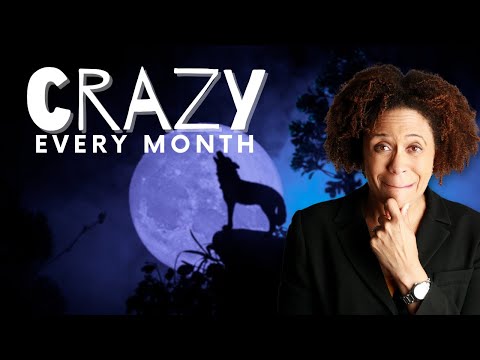
You know those days when everything feels a little… off? You wake up, and suddenly, the world just doesn’t feel right.
Yeah, that’s PMS for you. Those mood swings can hit hard, huh? One minute you’re laughing at cat videos, and the next, you’re crying over a spilled cup of coffee. Totally relatable!
It can feel like a rollercoaster ride you didn’t sign up for. Seriously, how do you deal with all those emotions?
Let’s chat about how to navigate those ups and downs. Because feeling better is totally possible! Trust me; you’re not alone in this.
Effective Strategies to Manage and Alleviate PMS Mood Swings
PMS mood swings, huh? They can really throw a wrench in your daily life. One moment you’re feeling on top of the world, and the next, it’s like someone flipped a switch. It’s totally normal, but that doesn’t make it any easier to deal with. Here are some effective strategies to help you manage those pesky mood swings.
Know Your Cycle
Understanding when PMS hits can give you a leg up. Track your menstrual cycle for a few months to see when those mood swings typically appear. There are apps for this, or you can go old school with a calendar. Knowing what to expect can ease the anxiety that comes with the unpredictability of your feelings.
Keep Active
Exercise is a real game changer. You don’t need to run marathons; even a brisk walk or some gentle yoga can boost endorphins and help with mood stability. Seriously, those feel-good chemicals can lift your spirits in no time! Maybe try out different activities until you find what feels right for you.
Watch Your Diet
What you put into your body matters more than you might think. Some people find that reducing sugar and caffeine helps stabilize their moods during PMS. Instead, load up on whole grains, fruits, and veggies. And don’t forget hydration—a lot of folks forget how much water they actually need.
Practice Mindfulness
Mindfulness techniques like meditation and breathing exercises can be super helpful during this time. Just taking a few moments to focus on your breath or practicing guided meditations online has been shown to reduce stress levels significantly. It’s like hitting the reset button on your mood!
Connect with Others
Sometimes just chatting about what you’re feeling makes all the difference—whether it’s friends, family, or support groups online. Sharing experiences helps normalize how you’re feeling and reminds you that you’re not alone in this rollercoaster ride.
Consider Supplements
Some people find relief from PMS symptoms by taking vitamins or herbal supplements like magnesium or evening primrose oil—which might help reduce mood swings as well as physical discomforts. Just remember to chat with a healthcare provider before diving into any new supplement routine; they know best!
Simplify Responsibilities
When PMS hits hard, it may be best to lighten your load where possible—be it at work or home duties. Prioritize tasks and don’t hesitate to ask for help if needed! Giving yourself some grace during this time is key.
Every person experiences PMS differently—so some strategies may work better for you than others! The thing is: be kind to yourself as you navigate these ups and downs; emotional waves are just part of being human.
Top Supplements to Alleviate PMS Mood Swings: A Comprehensive Guide
Honestly, dealing with PMS mood swings can feel like you’re on an emotional rollercoaster, right? One day you’re fine, and the next it’s like the world is ending. It’s totally normal to look for ways to ease those ups and downs. Enter supplements! They might help smooth out some of that bumpy ride you go through each month. Here’s a deeper look at some popular options.
Magnesium is a big one. This mineral can help with mood stability and reduce irritability. Some studies suggest that it may play a role in reducing anxiety and even depression symptoms, which is super helpful during PMS. Foods like dark chocolate or nuts are a great source, but supplements can give you a boost if your diet isn’t cutting it.
Then there’s Vitamin B6. This vitamin has been linked to better mood regulation. It helps your body make neurotransmitters like serotonin—those little guys are responsible for making us feel good! If you’re lacking this vitamin, it might enhance your PMS symptoms. You could grab some bananas or chicken to snack on for natural sources.
Another key player? Omega-3 fatty acids. These are found in fish like salmon or in flaxseed oil. They’re known for their anti-inflammatory properties and have been shown to ease mood swings related to hormonal changes. Seriously, just think about how many people rave about how eating more fish helped their mental health overall!
Evening Primrose Oil is another one that gets mentioned often. It contains gamma-linolenic acid (GLA), which may help alleviate breast tenderness and mood fluctuations during your cycle. It’s like a two-for-one deal if you’re also dealing with physical discomfort.
Some folks find relief with L-theanine, an amino acid found in green tea. It promotes relaxation without drowsiness—pretty handy if anxiety creeps up before your period starts!
Now remember: while these supplements can help manage symptoms, they shouldn’t be a replacement for professional care if your mood swings are severe or really affecting your life.
Also, everyone’s body reacts differently—what works wonders for one person might not do much for another! Keep track of how you feel after adding any new supplement and consider talking to someone who knows what they’re doing before making any big changes.
In short, don’t hesitate to explore these options as part of finding balance during those PMS days! Just be kind to yourself; we all have our moments.
Understanding the Impact of Period Mood Swings on Mental Health
So, let’s chat about period mood swings and how they can shake up your mental health. It’s something many people deal with, and understanding it is key. You know those days when you feel like you’re on an emotional rollercoaster? Yup, that’s often tied to your cycle.
Basically, your hormones play a big role in this whole situation. Before your period starts, levels of estrogen and progesterone drop. That fluctuation can bring on mood changes like irritability, sadness, or anxiety. It’s like your brain is adjusting to a whole new normal every month.
- Some folks might feel super productive one day and then want to binge-watch TV the next.
- You might notice that little things suddenly feel much bigger than they usually do.
- And don’t forget about cravings! They can mess with both your energy and mood.
I remember a friend of mine who would be totally fine one week and then turn into a teary mess the next. We used to joke that she had “two personalities.” But it was real—those ups and downs took a toll on her daily life. She’d find herself avoiding plans just because she wasn’t sure how she’d be feeling.
This emotional ride isn’t just annoying; it can lead to more persistent issues too. Some studies suggest that if you already struggle with anxiety or depression, these mood swings might make everything worse. You could end up feeling trapped in an emotional cycle that’s tough to break out of.
There’s also something called PMS (Premenstrual Syndrome). It’s not only about mood; physical symptoms are often part of the package deal—think bloating, fatigue, or headaches. When you combine all this together, it can feel overwhelming.
But here’s where it gets interesting: awareness is super powerful! Tracking your cycle might help you predict when those mood swings will hit. Journaling about how you feel each day can really give you insight into patterns or triggers.
- If certain days consistently bring on the blues or irritability, knowing that ahead of time helps.
- You might decide to lighten your workload during those times or plan some self-care activities.
Talking about these feelings with someone—whether it’s friends or a therapist—can also make a huge difference. You’re not alone in this; many others experience similar struggles. Sometimes just venting it all out feels like lifting a weight off your chest!
If you’re finding it’s affecting you seriously—like really disrupting your life—it might be worth discussing with a healthcare provider. They could talk through options ranging from lifestyle changes to medications if needed.
The thing is, **it’s perfectly okay** to acknowledge these ups and downs without judgment. Emotions are part of being human! Tackling period mood swings head-on doesn’t just improve comfort during that time—it contributes positively to overall mental health too!
So, let’s talk about PMS mood swings for a sec. It’s that time of the month when emotions can feel like they’re on a rollercoaster ride, right? One minute you’re super chill, and then suddenly, you’re crying over a cat video or snapping at your partner for something totally minor. I mean, can you relate?
I remember this one time I was having a perfectly normal day. Then BAM! It hit me—the usual PMS symptoms: bloating, fatigue, and oh yeah, those mood swings. I found myself feeling irritable and anxious. My friend suggested we watch a rom-com to help lighten the mood. Instead of laughter, I ended up sobbing uncontrollably over the characters’ heartbreaks. Talk about embarrassing!
So what causes these mood swings? Well, it’s all about hormones—specifically fluctuations in estrogen and progesterone leading up to your period. These changes can mess with your brain chemicals that regulate mood. Basically, it’s like a hormonal hurricane brewing inside of you.
Now, navigating through these emotional ups and downs isn’t just about waiting for them to pass each month. There are things you can do to make it easier on yourself. Exercise can be a game changer; even just going for a walk helps release some feel-good endorphins. And let’s not forget about nutrition—eating balanced meals is key! You don’t always have to reach for that chocolate (even though we totally understand why you would).
Also, communication is huge! If you’re feeling extra moody or sensitive one week per month? Talk to those close to you about it—friends or family members will probably get it more than you think.
Look: It’s all part of being human, right? Just remember that dealing with PMS mood swings doesn’t mean there’s something wrong with you; it just means your body is doing its thing. And hey, acknowledging what you’re going through can itself be pretty liberating—you might even find others are in the same boat!
So next time you’re experiencing those wild shifts in your emotions during PMS week, know you’re not alone. Give yourself some grace and maybe plan a little self-care session—you deserve it!