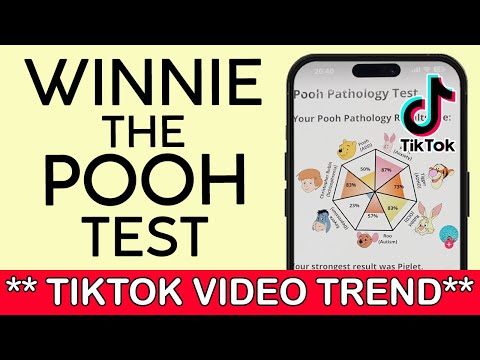
Okay, so here’s the thing. You’ve probably heard of Winnie the Pooh, right? That cuddly bear with a love for honey and his pals? Well, there’s this fun little personality test inspired by him!
It’s called the Pooh Personality Test. Sounds silly? Maybe. But it can actually shed light on how you see the world and even how you deal with life’s ups and downs.
Imagine figuring out if you’re more like Pooh, Tigger, or maybe even Eeyore. Each character has their own quirks and vibes. It’s like taking a peek into your own personality without getting too deep or serious about it.
So grab a cup of tea or honey, sit back, and let’s explore what this whimsical test says about you!
Understanding the Psychological Depths of Winnie-the-Pooh: A Comprehensive Analysis
Winnie-the-Pooh is more than just a lovable bear. Seriously, there’s a lot going on under that cute exterior! The stories we read as kids, like the adventures in the Hundred Acre Wood, tap into some deep psychological concepts. They reflect our own personalities and how we relate to others. That’s where the Pooh Personality Test comes in.
Now, this test sorts people into characters from the stories based on their traits. It’s not just for fun; it actually dives into psychological profiles!
Let’s break down some key characters:
Reading these characters might remind you of someone you know—or even yourself! Like, I once had a friend who was totally Piglet. Always worried about fitting in but would step up when it mattered most.
So why does this matter? The Pooh test taps into your personality type through relatable traits rather than rigid categorizations. It’s a way of exploring how you think and feel about life—like looking into a fun house mirror that reflects your emotions!
That’s also why using these characters makes psychology feel less intimidating. Introducing meaningful concepts through beloved stories allows us to identify our behaviors without feeling overwhelmed.
In essence, what we see in Winnie-the-Pooh isn’t just charming tales but reflections of real human emotions and interactions. It’s fascinating how much depth lies beneath those whimsical adventures! Understanding these characters can help you navigate your own personality—and maybe even give you insights on how to relate better with your friends or family members.
So next time you’re flipping through those pages or watching an old cartoon episode, think about what drives each character’s behavior—you’re not just enjoying a story; you’re diving deep into psychological insights that resonate with everyone at some level!
Exploring the Psychological Foundations of the Winnie-the-Pooh Test: Insights and Implications
The Winnie-the-Pooh Test is a fascinating tool in psychology. It’s designed to give insights into personality traits through simple illustrations of beloved characters. You might be wondering, how does this work? Well, basically, this test uses characters from the Hundred Acre Wood to represent different personality types.
Character Representation is key here. Each character embodies specific traits that reflect various psychological profiles. For instance, Pooh is often seen as carefree and optimistic but can be a bit forgetful. Tigger represents high energy and extroversion, while Piglet symbolizes anxiousness and sensitivity. By analyzing which character you relate to the most, you can get a glimpse into your own personality.
The Process of taking the test is pretty straightforward. You look at illustrations and choose the character you feel most connected with or like you would be in certain situations. It’s kind of like flipping through an old photo album and seeing moments that remind you of yourself but in a more playful way.
One important thing to consider is how emotional responses come into play during this test. When engaging with these characters, people often recall memories or feelings associated with them from childhood. I remember when I first encountered Pooh—he reminded me of my own goofy friend who always tried to make everyone laugh even when things got tough! That emotional connection adds depth to the results.
The implications of this test are pretty interesting too. It can be used not just for fun but also for educational purposes or even therapy settings. Therapists might use it to break the ice with clients; prompting discussions about how we see ourselves compared to these characters helps reveal deeper issues without feeling too heavy.
Moreover, it highlights how storytelling impacts our understanding of self-concept. Stories shape our identities; they resonate with our experiences and emotions which help us navigate the complexities of life—like figuring out why we react certain ways in stressful situations.
But hey, let’s not forget that while this test provides insightful perspectives, it’s also fairly general. It’s more about trends rather than precise measurements—like getting an idea about someone’s emotional landscape instead of pinpointing every little detail.
In summary, exploring the psychological foundations behind the Winnie-the-Pooh Test opens up conversations about identity and emotional connection through familiar characters we grew up loving. It shows us how playful methods can provide serious insights into who we are as individuals! So if you’re curious next time someone mentions it or maybe see an old Pooh cartoon lying around, don’t shy away; dive into those reflections—it could surprise you!
Exploring the Mental Health Theory of Winnie the Pooh: Insights and Lessons
Winnie the Pooh isn’t just a cute bear from children’s stories; there’s actually a lot to dig into when it comes to his personality and the world of mental health. You might think it’s all just silly fun, but it turns out that A.A. Milne’s characters can teach us a thing or two about ourselves. Did you know there’s a thing called the **Pooh Personality Test**? It uses the characters to help people explore their own traits? Pretty cool, right?
So, let’s break down some of the key personalities in the Hundred Acre Wood and what they reveal about us:
Understanding these personalities gives us some real insights into human behavior. Each character reflects parts of ourselves—like different facets of our personality shining through at various times.
For example, remember that time you had an exciting day planned, like Tigger? But then your anxiety kicked in like Piglet’s? Well, that’s totally normal! Sometimes we feel like Eeyore too, like nothing is going right. Just knowing these feelings are common can make them easier to manage.
Also, considering these characters helps normalize conversations about mental health. You don’t have to have clinical terms or fancy degrees to talk about feeling anxious or down; even kids’ stories can lay out our emotional struggles.
In short, exploring Winnie the Pooh’s crew offers valuable lessons on empathy and understanding both ourselves and others around us. If we look closely enough at their antics, we can learn valuable techniques for coping with our own ups and downs while also finding joy in those little moments—just like Pooh does with his honey.
The next time you read one of those stories or watch one of the films, see how they speak to your own experiences—you might end up learning something new about yourself along the way!
Alright, let’s chat about the Pooh Personality Test for a sec. So, if you haven’t heard of it, this little gem is based on characters from the Hundred Acre Wood. You get to pick your favorite character, and based on that, it kinda reveals your personality traits. Pretty cute concept, right?
I remember the first time I stumbled upon this test. I was sitting in a café with a friend who was having one of those days where everything felt heavy. We were joking around, trying to lighten the mood when she brought up this personality quiz. She picked Piglet—the anxious little dude who’s always worried about something—and it just clicked for her. It made me think about how much we can learn about ourselves through playful stuff like this.
The thing is, picking your favorite character can shine a light on some pretty deep stuff without feeling like you’re dissecting your soul under a microscope. Characters like Pooh are all about simplicity and love, while Tigger’s bouncing energy speaks to that zest for life. And then there’s Eeyore—poor guy just can’t catch a break! Each personality has its quirks and charms that can resonate with you in different ways.
What I love is how these characters reflect real emotions and experiences we all deal with every day. Like, being stuck in an Eeyore mood sometimes happens to all of us; life’s ups and downs can be rough! And understanding that you identify with one character doesn’t mean you’re locked into that vibe forever; it’s more like a snapshot of where you are right now.
I think part of what makes this test so engaging is its simplicity—it’s fun and light-hearted but still gives you something to ponder afterward. You might find yourself thinking more about how those traits show up in your life or how they interact with others’ personalities.
So yeah, whether you’re feeling like Pooh with his laid-back wisdom or Tigger full of excitement (who wouldn’t want to bounce around sometimes?), exploring these characters can be surprisingly revealing. It’s fascinating how a simple children’s story can open up doors to understanding our minds just a little bit better!