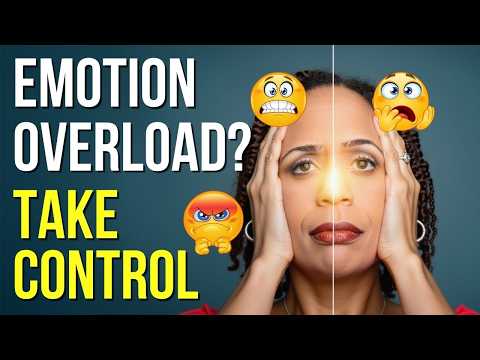
You know that feeling when everything just feels too much? Like, you’re overwhelmed, and your emotions are all over the place? Yeah, that’s what poor emotion regulation does.
It can sneak up on anyone. You know, one minute you’re fine, and the next you’re crying over a spilled drink or fighting with a friend over nothing. It happens.
So, why do some folks struggle more than others with this stuff? It’s interesting, right? Emotions can feel like wild horses sometimes—hard to control!
But this isn’t just about feeling moody. Poor emotion regulation can shake up your mental health big time. Let’s talk about what that looks like in real life.
The Impact of Poor Emotional Regulation on Mental Health and Well-Being
Poor emotional regulation can be a tough gig. It’s like living in a rollercoaster of feelings, where ups and downs become overwhelming. When you struggle to manage your emotions, it can really mess with your mental health and overall well-being.
First off, what is emotional regulation? Well, it’s the ability to recognize, understand, and manage your emotions effectively. Sounds easy enough, right? The thing is, when you’re good at it, you’re better equipped to handle life’s curveballs. But when you’re not so great at it? That’s where the issues start piling up.
- Anxiety: If you can’t regulate emotions well, anxiety often rears its head. You might feel tense or on edge all the time. Imagine waiting for a presentation at work; if you struggle with emotions, that anticipation can turn into full-blown panic.
- Depression: Poor emotional regulation can also lead to feelings of hopelessness and sadness. You know those days when everything feels heavy? If you can’t manage the little stuff that adds up, it might push you down into that spiral.
- Relationship Struggles: Your relationships can suffer too. If you can’t express emotions properly or react explosively instead of calmly discussing things, friends and partners may withdraw from you. I once knew someone who would blow up over small misunderstandings—hard for anyone to feel close to them.
- Irritability: Feeling irritable or angry? That’s another classic sign of poor emotional control. You might snap at people or feel easily frustrated over simple things like traffic jams or long lines. It’s exhausting!
- Coping Mechanisms: Sometimes people try to cope in not-so-healthy ways when they can’t deal with their feelings—think substance use or binge-eating as a way to escape the chaos of unmanageable emotions.
And speaking of coping mechanisms—there’s this whole cycle that goes on here. When emotions are poorly regulated, negative feelings crop up more often and begin to influence your behavior negatively. Then those behaviors often lead to more intense emotional responses down the line—it’s like a vicious cycle!
I remember chatting with someone who felt completely overwhelmed because they kept bottling everything inside instead of expressing how they felt. When they finally did break down one day—it was like a dam bursting open! And guess what? That moment didn’t just impact them; it affected everyone around them too.
So here’s the kicker: improving emotional regulation can really change things for the better. Strategies like mindfulness meditation can help get a grip on wild thoughts and feelings as they come up rather than letting them spiral out of control.
In short: poor emotional regulation is no joke! It influences anxiety levels, depressive symptoms, relationships—you name it! Focusing on developing healthier ways to manage those big feelings can pave the way toward much better mental health and overall happiness.
Exploring the Challenges of Emotional Regulation: Understanding Obstacles to Mental Well-being
Emotional regulation is a big deal when it comes to mental well-being. Basically, it means how we manage our feelings, whether we’re feeling super high or really low. But let me tell you, not everyone does this effortlessly. You might be surprised at how many people face challenges in regulating their emotions.
So, what gets in the way? Here are a few common obstacles:
- Trauma: If you’ve been through something really tough, like abuse or loss, it can feel impossible to cope with emotions. For example, someone who lost a loved one might swing between anger and sadness without any warning.
- Anxiety: If your mind is racing with worries all the time, that can make it hard to feel and express other emotions. Picture someone who’s always anxious about work; they might struggle to connect with their joy when things go well.
- Depression: When you’re feeling down, sometimes it’s just easier to shut down altogether. It’s like being stuck in a fog where you can’t see the bright side of anything.
- Lack of Skills: Not everyone grows up learning how to handle their feelings effectively. Think about a kid who never learned to talk about their feelings; as an adult, they might lash out or withdraw instead.
Sometimes, people don’t even realize they’re struggling with emotional regulation until it’s too late. Let’s say you snap at your friend during a small argument over something silly—later on, you might feel terrible for losing your cool. That quick reaction is often rooted in deeper issues.
Another thing? Social pressure can also mess things up big time. You know that feeling where everyone expects you to be happy and put-together all the time? It makes you feel like showing sadness or frustration isn’t okay. So instead of expressing how you truly feel, you keep everything bottled up.
On top of that, there’s a lot of misunderstanding around mental health. Some folks still believe emotions should be easy to control; when people think you’re just “being dramatic,” it can add another layer of stress when trying to figure out how you’re feeling.
So what’s the takeaway here? Well, recognizing these obstacles is the first step toward improving emotional regulation. Once you’re aware of what stands in your way—be it trauma, anxiety issues, or social expectations—you can start looking for healthier ways to cope and express yourself.
And seriously—it takes practice. Just like any skill worth mastering! Whether it’s through therapy or self-help methods like mindfulness and journaling—finding ways that work for you can make a world of difference in enabling better emotional responses down the line.
It’s not about being perfect; it’s about understanding yourself better so that those ups and downs don’t take over your life completely!
Understanding Emotional Regulation Challenges in Mental Illness: Key Insights and Strategies
Emotional regulation can be a real rollercoaster ride for many people. Like, if you find yourself flipping from joy to anger in a flash, or feeling way too much during a simple situation, you’re not alone. This struggle is often tied to mental illnesses. And what’s more challenging? It can lead to all kinds of problems in life — from relationships to work.
So, let’s break this down. What exactly is emotional regulation? Well, it basically refers to how we manage our emotions. Do we suppress them? Do we let them out too easily? Poor emotional regulation means struggling with this balance.
Now, if you’re dealing with conditions like anxiety or depression, you might feel your emotions are running high—like being on a ship in a stormy sea. You could feel anxious over small things or get really sad without much reason at all. I remember a friend who dealt with severe anxiety; she felt paralyzed by her emotions daily, struggling just to leave the house.
Here are some key points regarding emotional regulation challenges:
- Heightened Sensitivity: Some folks may overreact to situations because their emotional perception is heightened. Imagine a single critique at work feeling like the end of the world – that’s an example.
- Difficulty in Expressing Emotions: There are people who bottle things up, thinking it’s weak to show feelings. This often leads to explosive outbursts later on.
- Impulsivity: Sometimes, when emotions feel overwhelming, people might act impulsively—like yelling or saying hurtful things—without thinking about the aftermath.
- Avoidance: Instead of facing feelings head-on, some might avoid situations that stir emotion altogether. Think of skipping family gatherings to dodge any potential conflict.
But hey, there are strategies that can help manage these challenges!
For starters, mindfulness can be huge for emotional regulation. Practicing being present and observing your thoughts without judgment allows you to gain perspective on what you’re feeling instead of being swept away by it.
Then there’s cognitive restructuring—yeah, fancy term! Basically, it’s all about changing how you think about certain situations. For example: instead of saying “I always mess things up,” you could reframe it as “I sometimes learn from my mistakes.” It shifts your entire outlook!
And don’t underestimate the power of talking things out with someone; therapy’s not just for when everything goes wrong. Having someone listen and offer guidance can make a world of difference.
To wrap this up: understanding these challenges isn’t just important for those dealing with mental illness; it’s also vital for friends and loved ones trying to lend support. Remember that everyone faces ups and downs in emotional health—it’s part of being human! Just knowing there are ways through those struggles can be really empowering!
You know, sometimes it feels like emotions are this wild rollercoaster, right? One minute you’re on top of the world and the next, you’re plummeting into a pit of despair. That’s kind of what poor emotion regulation looks like. It’s when you struggle to manage how you feel or react to those feelings, and man, that can really mess with your mental health.
Let me share a quick story. There was this friend of mine—let’s call him Jake. He was always the life of the party, but behind that smile, he was wrestling with all sorts of emotions. One day, someone made a comment about his work performance. Instead of talking it out or brushing it off, he ended up spiraling into this huge wave of anxiety and anger that took over his entire week. He couldn’t concentrate at work or even enjoy time with friends because he just kept replaying that moment in his head.
It’s tough when emotions feel so overwhelming. Poor emotion regulation can lead to feelings like sadness turning into depression or anger exploding in ways you don’t intend. You might find yourself snapping at loved ones for no real reason or staying stuck in negative thoughts that just won’t quit. Seriously, it’s like an emotional traffic jam where nothing is moving, and frustration just builds up.
The thing about managing emotions is that it’s not just about controlling them; it’s also about understanding them. When you don’t have effective tools in your emotional toolbox—like communication skills or coping strategies—it can be hard to navigate life calmly and effectively.
But there’s hope! Just because someone struggles with this doesn’t mean they’re doomed forever. Finding therapies like dialectical behavior therapy (DBT) can really help people develop those skills they need to respond better to their feelings instead of letting those feelings drive the bus.
So yeah, if you or someone you know is dealing with challenges in regulating emotions, remember it’s a journey. Don’t hesitate to reach out for support or look for strategies that can make things more manageable! It might feel tough now but taking those small steps toward better emotional health can seriously change everything in the long run.