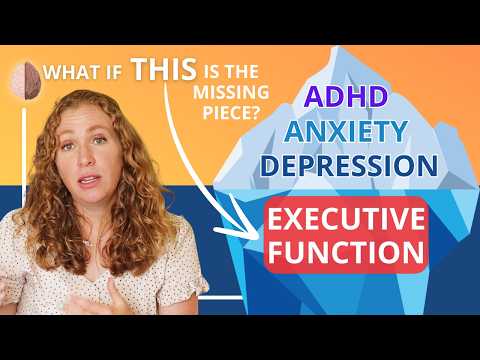
You know how sometimes you just can’t seem to get it together? Like, no matter how hard you try, things just slip through your fingers? Yeah, that’s pretty much what it’s like when someone struggles with poor executive function.
It’s not just about being forgetful or disorganized. Those little quirks can actually mess with your mental health more than you’d think. Imagine wanting to accomplish something but feeling totally stuck instead. That’s tough.
A lot goes on inside our heads that we don’t even realize sometimes. Executive function is all about planning, focus, and controlling impulses—basically the brain’s CEO. When it’s not working right, everything feels chaotic.
So let’s chat about this! What challenges does poor executive function bring to the table? And how does it play into the bigger picture of mental health? You’re gonna want to stick around for this one!
Overcoming Obstacles: Understanding the Challenges Faced by Individuals with Impaired Executive Functions
So, let’s talk about overcoming obstacles, especially when it comes to those who deal with impaired executive functions. Honestly, it can be quite a journey. You might not realize this, but executive functions are basically the brain’s way of helping you plan, focus attention, remember instructions, and juggle multiple tasks. If these functions are impaired—because of things like ADHD, anxiety, or other mental health issues—it can really mix things up in a person’s life.
Imagine you’re trying to cook dinner while also juggling your kids and listening to a podcast. Sounds chaotic, right? Now think about someone with poor executive function trying to do that. They might forget the recipe halfway through or struggle to switch from one task to another. It’s tough.
Here are some challenges individuals may face:
Let me tell you about my friend Alex. He’s incredibly talented but struggles with executive function thanks to ADHD. When deadlines roll around at work, he often feels overwhelmed. Forgetting appointments and mixing up tasks used to be his daily grind—super stressful! But over time he found ways to cope.
For instance, Alex began using tools like planners and digital reminders which helped keep him on track. It wasn’t an instant fix; it took time and practice—but he got there! Having a routine became his lifeline.
The silver lining? People dealing with these challenges can absolutely learn strategies that help them manage better! Here are some methods people may use:
And remember: seeking support from friends or mental health professionals can make a world of difference too. It’s all part of the journey!
In short, understanding the hurdles faced by those with poor executive function helps build empathy and support for their experiences. Recognizing that these challenges don’t define someone is key—it’s just one piece of their puzzle in life! Everyone has strengths and weaknesses; it’s how we tackle them that truly matters.
Understanding Executive Functions: Their Role in Mental Health and Well-Being
Understanding executive functions is crucial when it comes to navigating life’s challenges, especially in relation to mental health. So, what are these executive functions? Well, they’re basically the brain’s tools for planning, organizing, and managing our thoughts and actions. It’s like having a personal assistant in your head that helps keep everything in order. When these functions are running smoothly, life feels more manageable.
But here’s the kicker: when executive functions aren’t working well—often called poor executive function—it can seriously mess with your day-to-day life. Think about it this way: imagine trying to put together a huge puzzle without the picture on the box and missing several pieces. Frustrating, right? This is how many people feel when their executive functions are impaired.
So, what exactly do executive functions include? Here are some key components:
- Working memory: This is your brain’s ability to hold onto information while you use it. Like remembering a phone number just long enough to dial it.
- Cognitive flexibility: This allows you to switch gears easily. You know, like going from planning dinner to helping your kid with homework without losing your cool.
- Inhibition: It helps you control impulses and think before acting. Picture yourself resisting that last slice of pizza even though it looks so good.
- Planning: This is organizing tasks to reach your goals—like mapping out a route for a road trip.
When someone struggles with these areas—think ADHD or depression—it can be tough to stay organized or complete tasks. Picture Sarah, who has ADHD; she often forgets her appointments and feels overwhelmed by simple daily chores. Her inability to plan leads her to procrastinate; then anxiety sets in about all the things left undone. The cycle continues until she feels buried under her own responsibilities.
Now let’s talk about the link between poor executive function and mental health. When these skills falter, emotions can run wild too! You might feel anxious because you can’t remember things or frustrated because you can’t stick with plans. Over time, this creates a negative feedback loop: stress impacts mental clarity, and poor mental clarity makes stress worse.
Not only does this affect individuals personally, but it can also strain relationships—either with family or at work—leading to further isolation and despair. Imagine Mark at work who constantly misses deadlines because he can’t organize his tasks properly; his boss notices and feels frustrated too—and suddenly Mark finds himself feeling alienated from his team.
Tackling challenges related to poor executive function is key for improving overall mental health and well-being. Many people find that therapy can help enhance their skills in this area. Cognitive behavioral therapy (CBT), for instance, focuses on changing negative thought patterns that may affect planning or organization.
Incorporating strategies such as setting reminders on your phone or creating visual planners can make daily tasks feel less daunting. Everyone’s journey is unique, but small changes often lead to big improvements over time!
So remember: understanding how executive functions impact our lives helps us better navigate our mental health journey—and there’s always hope for improvement!
Understanding Poor Executive Functioning: Key Examples and Insights
Understanding poor executive functioning can be really eye-opening. It’s something that many people experience, but not everyone knows what it actually means. Basically, executive functioning refers to a set of cognitive processes that help you manage and regulate your thoughts, behaviors, and emotions. When these processes aren’t working as they should, you might face challenges in everyday life.
Executive functions include things like planning, organization, time management, and impulse control. When someone struggles with these skills, it can get pretty overwhelming. Think about a time when you had a million things to do but just couldn’t seem to focus on any of them. That feeling is pretty common for anyone dealing with poor executive function.
Here are some key examples of how poor executive functioning shows up in real life:
- Difficulty prioritizing tasks: Maybe you have a long to-do list but find it impossible to figure out what to tackle first. You might jump from one task to another without finishing anything.
- Problems with time management: You could underestimate how long tasks will take or procrastinate until the last minute. This often leads to stress because deadlines sneak up on you!
- Struggles with organization: Ever lose your keys or forget an important appointment? This can happen more often when you’ve got executive function issues.
- Poor impulse control: You might act without thinking or say things that get you in trouble because your brain struggles to pause and consider the consequences.
- Difficulties transitioning between tasks: If you’re finishing one project and need to switch gears quickly, you might feel disoriented or completely lost.
So why does all this happen? Well, there are various reasons someone might experience poor executive functioning. It can be linked to conditions like ADHD, anxiety disorders, or even depression. Each of these mental health issues can disrupt the brain’s ability to manage and control thoughts and actions effectively.
Let me share an example: Imagine Sarah, a college student who’s been diagnosed with ADHD. She often finds herself overwhelmed by assignments due soon but isn’t sure where to start because she gets easily distracted by her phone or social media. Even though she knows she has deadlines looming ahead—like a storm cloud—it feels impossible for her to sit down and organize her thoughts because her executive functions aren’t firing on all cylinders.
It’s important not just to recognize these challenges but also to understand that they’re not signs of laziness or lack of intelligence; they’re legitimate barriers that some folks face daily.
So what can help? Strategies like breaking tasks into smaller steps, using planners for organization, setting specific time limits for work sessions are all valuable methods people use! Therapy approaches such as cognitive behavioral therapy (CBT) also focus on building better coping skills around managing time and emotions—and those can make a real difference.
In short, understanding poor executive function is key in addressing its impact on mental health and everyday life. Remember that if these challenges resonate with you or someone you know—it’s okay! There’s support out there; you’re definitely not alone in navigating this complex landscape.
When we talk about executive function, it’s like peeling back layers of how our brains work. You know how sometimes you can’t remember where you put your keys? Or you’re in the middle of a project and suddenly forget what you were doing? That’s the everyday stuff. But for some people, those struggles go much deeper.
Imagine someone named Sarah. She’s super creative, always dreaming up new projects and ideas. But when it comes to finishing them or even getting started, it’s like she hits a wall. Sarah has trouble planning her day, sticking to her goals, and even regulating her emotions. It’s frustrating! She knows what she wants to do; she just can’t seem to get there. And that can impact her self-esteem big time.
Poor executive function can really mess with mental health too. You might be dealing with anxiety because all those unfinished tasks hang over your head like an ominous cloud. Or maybe depression creeps in because you feel overwhelmed and stuck in a cycle of inaction.
It’s not just about forgetting things or being disorganized—it’s like your brain has its own version of traffic jams. Everything from filtering out distractions to managing your time gets tangled up. And believe me, life demands these skills every day!
When someone is struggling with this stuff, it can be tough for them and everyone around them. People might think they’re lazy or unmotivated because they don’t get how hard it is just to make decisions or stick to a routine when your executive function isn’t firing on all cylinders.
So, what do we do about it? There are different approaches out there! Therapy often helps people develop strategies that fit their unique needs—kind of like finding the right tools for the job, if you will. Medication can also play a role for some folks in managing symptoms.
The challenges of poor executive function are real and they matter; but sharing experiences helps us understand that these struggles don’t define who we are or what we’re capable of achieving. Awareness is key; after all, the more we talk about this kind of stuff, the better chance we have at lifting that heavy cloud together!