Hey! So, let’s chat about something that might sound a bit out there—Possession Trance Disorder.
Yeah, I know it sounds like something straight out of a horror movie. But it’s real, and it’s fascinating. People can actually feel like they’re, you know, taken over by another force or spirit.
Imagine going to a party with friends, and suddenly someone just zones out, moving as if they’re in a different world. It’s kind of eerie but also really intriguing. Like, what’s happening in their minds?
This disorder gets tangled up with culture and beliefs too; it’s not just clinical stuff. You see these experiences pop up differently in various contexts around the globe.
So anyway, let’s dig into it together and see what this whole thing is about!
Understanding Possession Trance Disorder: Symptoms, Causes, and Treatments Explained
Possession Trance Disorder, or PTD, is one of those psychological conditions that can feel a bit mysterious. You might’ve heard the term floating around in conversations about mental health or even in movies. So, what is it all about? Let’s break it down.
Symptoms of PTD can vary quite a bit, which is why diagnosing it can be tricky. People often report experiencing changes in consciousness and behavior that may seem like they’re being controlled by an outside force. This might look like:
- Altered Awareness: Individuals may feel detached from their surroundings or experience a sudden shift in reality.
- Physical Symptoms: Some might have unusual motor movements, like jerking or swaying.
- Emotional Changes: Often, there’s a noticeable shift in mood—like going from calm to agitated really quickly.
One person I knew described it as feeling like they were watching themselves from outside their body during these episodes. It’s kind of surreal and honestly pretty scary for the person experiencing it.
As for the causes, well, that’s where things get complicated. There isn’t just one clear culprit behind PTD. A mix of cultural factors and psychological ones often play a part:
- Cultural Context: In some cultures, experiences similar to PTD are viewed as spiritual or religious phenomena rather than medical conditions.
- Trauma History: People who have faced significant trauma may be more susceptible to these dissociative experiences.
- Stress and Anxiety: High levels of stress can trigger episodes in those predisposed to PTD.
Like, if someone has been through a tough time—losing someone important or facing abuse—they might find themselves slipping into these trances as a way to cope with overwhelming feelings.
Now let’s talk about Treatments. It’s crucial to approach this disorder with sensitivity and care. Some common methods include:
- Cognitive-Behavioral Therapy (CBT): This type of therapy helps individuals identify negative thought patterns and behaviors related to their experiences.
- Somatic Therapies: These focus on the body and help individuals reconnect with themselves physically, addressing discomfort or disconnection.
- Cultural Competence in Therapy: Because cultural context matters so much here, working with therapists who understand the individual’s background can make a huge difference.
One therapist I heard about often integrates traditional practices relevant to her clients’ cultures when treating them for PTD. It creates a safe space where they can explore their experiences without judgment.
Understanding Possession Trance Disorder isn’t easy; it requires looking at symptoms through multiple lenses—psychological and cultural ones too. It shows us how rich the human experience is when it comes to mental health challenges and highlights the importance of personalized treatment approaches—what works for one person might not work for another! So if you or someone you know is grappling with this kind of experience, just remember: There are paths toward healing that honor both the mind and spirit.
Understanding Trance Theory in Psychology: Insights into the Mind’s Transformative States
Trance states in psychology are, well, super interesting. They’re like those magical moments when your mind drifts away, and you feel this sense of being outside yourself or totally absorbed in something. You know, think of it as a mental vacation where your brain takes a break from everyday worries.
Trance theory looks at these altered states of consciousness. It can help explain how people experience things like meditation, hypnosis, or even religious rituals. And then there’s something called **Possession Trance Disorder**. Sounds intense, right? It involves someone feeling like they are taken over by another spirit or entity during a trance.
Now, the thing about trance is that it’s not just a one-size-fits-all experience. People can get into trances through different methods—like through dancing, chanting, or even focusing on their breathing. Some folks might find it calming, while others could feel really disoriented after coming out of it.
When you think about Possession Trance Disorder specifically, you might picture someone behaving differently—like acting out or saying things they normally wouldn’t say. This isn’t just theatrical; it’s a legit psychological phenomenon that’s been documented across cultures and contexts.
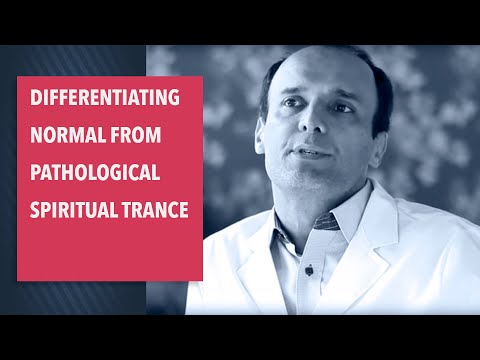
There’s this fine line between what we consider “normal” trance experiences and those that can be classified as disorders. In some cultures, being in a trance state is seen as spiritually significant; people might see it as receiving messages from deities or ancestors. But when those experiences lead to distress or impair daily life? That’s when we have to take a closer look.
For many individuals experiencing these states involuntarily, like during moments of distressing possession trances, treatment often involves therapy focused on understanding the underlying issues—whether they’re psychological trauma or deep-seated beliefs tied to their cultural context. Therapy can help them regain control over their minds and bodies when they feel overwhelmed by these experiences.
You might wonder how psychologists approach this whole situation. Well, they often look into the person’s history and cultural background to figure out what might be triggering these episodes. The goal here isn’t just to label someone but to genuinely understand their experience and provide support that resonates with them.
In summary, trance theory opens up fascinating discussions about how our minds work—and especially about the extreme forms some people might experience through conditions like Possession Trance Disorder. By exploring these elements within the broader context of psychology, we can better appreciate both the mystery of human consciousness and the complexities within each individual story.
Understanding Trance and Possession Disorder: Key Symptoms and Insights
Understanding Trance and Possession Disorder can be a bit complex, but let’s break it down together. This condition is often misunderstood, and it has a lot to do with how we perceive control over our own minds and bodies. Basically, it’s like your brain gets stuck in a weird loop where you feel disconnected from yourself.
What is Trance and Possession Disorder?
This disorder can make someone feel as if they’re being controlled by an outside force. Think about when you zone out during a movie – you’re there physically, but your mind has wandered off somewhere else. Now imagine that feeling turned up to eleven, where you might not even remember what happened during that time.
Key Symptoms
Some of the symptoms of this disorder include:
These symptoms can come on suddenly or build up over time. They can happen during stressful situations or even arise without any obvious trigger.
Cultural Context
It’s worth noting that how this disorder is perceived varies widely across cultures. In some societies, possession may be seen as spiritual or religious rather than pathological. For instance, in certain communities, people believe that the spirit world plays a significant role in mental health experiences. This means what one culture considers a disorder might be looked at through a completely different lens elsewhere.
Treatment Options
If someone is dealing with Trance and Possession Disorder, treatment usually involves therapy tailored to their needs. Techniques may include:
Sometimes medication may also be suggested to help manage underlying anxiety or mood issues that contribute to these episodes.
Anecdotal Insight:
I remember talking to someone who had gone through this kind of experience. She described it as if she wasn’t “herself” during those moments—like there was an invisible barrier between her soul and her body. That feeling left her anxious and confused about who she really was when she wasn’t in control. Just hearing that makes you realize how deeply impactful this disorder can be on someone’s life.
In wrapping things up here, Trance and Possession Disorder is complex but very real for those who experience it. Understanding the symptoms is key to finding the right support system around it—because really, everyone deserves help when they need it most!
Possession Trance Disorder is one of those topics that can make you raise an eyebrow, right? I mean, when you first hear about it, it can sound almost like something out of a movie. But in the psychological context, it’s a lot more nuanced and interesting than what we see on screen.
You know, this disorder is often tied to certain cultural or religious beliefs. Like, in some communities, people might experience a trance where they feel they’re possessed by another spirit or entity. It’s not just some spooky phenomenon; it can be a really intense emotional experience. Imagine feeling completely outside yourself—like you’re watching your own life happen from the sidelines. That’s what some folks report.
I remember hearing this story about a friend who attended a cultural festival where they witnessed someone in a trance state. The person was dancing wildly and seemed completely lost in the moment. It was mesmerizing but also kind of unsettling because you could tell there was something powerful happening there. For many, these experiences aren’t just symptoms to be fixed; they’re deeply rooted in their identity and community practices.
Psychologically speaking, possession trance can blur the lines between mental health and cultural expressions of spirituality. It raises questions about how we define “normal” versus “abnormal” behavior. In Western psychology, traditional views might pathologize such experiences as dissociative disorders or even psychosis—but that doesn’t take into account the rich cultural contexts in which these states occur.
So you see? It’s not always about diagnosing or treating—sometimes it’s about understanding and respecting the perceptions people have around their experiences. People navigating possession trances may find connection and meaning within their communities through these states. Sure, there are cases where someone might need help managing distressing aspects of their experience—like if it’s interfering with daily life—but often these trances are understood in their full context as part of spiritual or social practices.
Possession Trance Disorder serves as a reminder of how varied human experiences really are—and how important culture is in shaping our psychological landscapes. You could say it challenges us to broaden our perspective on mental health concepts that sometimes feel rigidly defined.
In any case, whether it feels eerie or enlightening, there’s so much depth to this topic! The human experience is genuinely complex—which is why having open conversations about these things can be so valuable.