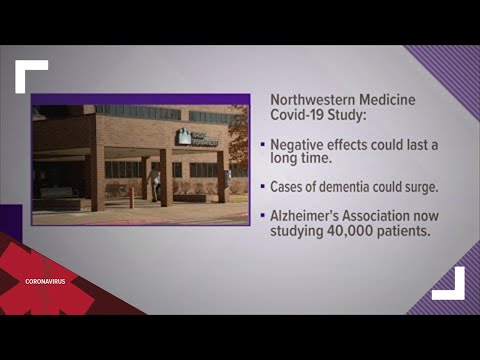
Hey, have you noticed your brain feels a bit… fuzzy lately? You’re not alone. Seriously, loads of folks are struggling with memory issues after battling COVID.
It’s like you went through this intense experience, right? Then your mind just doesn’t seem to work like it used to. It’s kind of frustrating!
You might be wondering why this is happening and what it all means for your mental health. Well, let me tell you—it’s a pretty wild ride we’re on together. So, let’s chat about what’s going on in that brain of yours and how to cope with all these unexpected changes.
Exploring the Connection: Does COVID-19 Lead to Permanent Brain Fog?
So, let’s get real about this COVID-19 thing and how it messes with your brain. You’ve probably heard about “brain fog,” and honestly, it sounds kind of like a cloudy day in your head, right? But, there’s way more to it than just feeling fuzzy.
When people say they’re experiencing brain fog after COVID-19, they’re usually talking about some frustrating stuff: trouble concentrating, forgetfulness, and even a lack of motivation. It’s like your brain is running on low battery but you can’t find a charger anywhere. Seriously!
Now, what the research says is that these cognitive issues might be linked to several factors:
- Inflammation: COVID-19 can cause inflammation in the body. And guess what? That inflammation can reach your brain and mess with how it works. Think of it as the brain trying to swim through thick soup instead of clear water.
- Oxygen deprivation: Some patients with severe symptoms face a lack of oxygen due to respiratory issues. When your brain doesn’t get enough oxygen, it could lead to confusion or memory problems afterwards.
- Anxiety and depression: It’s not just the virus itself that causes issues. The stress and anxiety from dealing with a pandemic can also mess with your cognitive functions. It’s like trying to focus on a puzzle when someone keeps talking loudly next to you.
- Sleep disturbances: Let’s be honest; who hasn’t had their sleep schedule thrown off by all this chaos? Poor sleep can make everything feel harder—like those mental gears are rusty or something.
Research shows that these effects aren’t just temporary for some folks. Some people report ongoing struggles even months after recovery from the virus. It’s super frustrating! A friend of mine had COVID-19 last year and still forgets words sometimes or finds herself zoning out while reading. That lingering fog really gets in the way of things.
But hold up! Not everyone who gets COVID will experience brain fog or long-term memory loss. Factors like age, overall health before infection, and how severe the illness was all play a role here.
And for those who do have persistent symptoms? There are options out there! Therapy can help you develop strategies to cope better with memory loss or concentration issues. Cognitive-behavioral therapy (CBT) is one approach that focuses on changing negative thought patterns—pretty neat for working through feelings of frustration too!
In summary, while we still don’t know everything about COVID-19’s impact on our brains, many people are experiencing troubling cognitive symptoms post-infection. So if you’re feeling that mental haze sticking around longer than expected, it’s important to talk to someone about it—you deserve support during this tough time!
Exploring the Link Between Long COVID and Personality Changes: What You Need to Know
Long COVID, or post-acute sequelae of SARS-CoV-2 infection, can lead to all sorts of unexpected challenges. One area that’s getting more attention is how this virus might mess with our personalities. Let’s dive into this, shall we?
First off, let’s talk about what **Long COVID** really means. After the typical COVID symptoms fade, some people experience lingering issues like fatigue, brain fog, or even anxiety and depression. These symptoms can hang around for weeks or months—seriously draining stuff! Studies are starting to *suggest* that these lingering effects might even lead to changes in how you see yourself and interact with others.
So, what are some potential personality changes you might notice? Here are a few:
- Increased Anxiety: Many folks find themselves more anxious than before they got sick. This isn’t just worrying about germs; it can be heightened social anxiety or worry about one’s health.
- Changes in Mood: You might swing from feeling super happy one minute to inexplicably sad the next. It’s frustrating. This emotional rollercoaster can make relationships tricky.
- Cognitive Changes: Memory loss isn’t just a joke; it’s real for many people after COVID. Forgetting things you once knew well can feel like a part of your personality is slipping away.
- Shifted Priorities: Surviving something like COVID often leads people to reassess what matters in life—like family and friendships becoming more important than career ambitions.
The thing is, if you’re experiencing these changes, you’re not alone! Picture this: Sarah was always the go-getter in her job—confident and outgoing. After battling Long COVID, she found herself doubting her abilities at work and feeling anxious around her colleagues. For Sarah, the constant fatigue was more than just physical; it left her questioning who she was.
But why does this happen? Well, our brain and body are super interconnected! Prolonged illness can change our brain chemistry and stress responses—even altering how we perceive ourselves over time. When your cognitive function takes a hit from brain fog or fatigue, it makes sense that your self-perception could shift too.
Another thing worth mentioning is that *mental health* often plays a crucial role in personality traits as well. If you’re dealing with post-COVID depression or anxiety, those feelings could amplify any personality shifts you’re experiencing.
If you’re worried about these changes—whether they’re small annoyances or huge overhauls—it might be helpful to chat with someone about it. Therapy can provide tools to help navigate these emotional waters while exploring your new self.
Ultimately, adapting to life after Long COVID isn’t just physical; it’s mental too! Taking care of both aspects is vital for recovery and personal growth. Whether it’s reconnecting with old hobbies or seeking support from friends or professionals, moving forward—even when it’s tough—is completely possible!
Identifying Post-COVID Psychological Disorder Symptoms: A Comprehensive Guide
So, let’s talk about post-COVID psychological disorders. It may sound like a heavy topic, but it’s super important, especially since a lot of people are experiencing some pretty weird stuff after having COVID-19. One of the standout symptoms? Memory loss. Seriously, it’s more common than you might think.
After getting sick, some folks notice they’re struggling to remember things they used to hold onto easily. It’s like your brain suddenly hit the pause button on certain memories or information. You know, when you walk into a room and forget why you’re there? Happens to everyone sometimes, but if it’s happening often and feels different from your normal forgetfulness, it could be a sign of something larger happening.
Memory impairment is just one piece of the puzzle. You might also notice:
- Difficulty concentrating: It’s hard to focus on tasks that seemed simple before.
- Anxiety: Feeling more anxious or worried about everyday things can also creep in.
- Mood changes: Some people feel more irritable or sad than usual.
Now let me tell you about my friend Tom. He was doing fine until he had COVID. After he got better, he kept misplacing his keys or forgetting meetings he’d set up. At first, he thought it was just stress or aging catching up with him—totally understandable! But as weeks turned into months and his memory didn’t bounce back, he started feeling anxious and overwhelmed.
When we’re talking about post-COVID psychological effects, it’s not just about memory loss; there’s also this whole range of emotions that can hit hard. Some experience this annoying sense of “brain fog,” where thoughts feel cloudy and unclear. And let’s not forget fatigue—feeling drained even after a good night’s sleep can be a real kicker too.
So what’s going on here? Well, it seems like the virus can mess with brain function in ways we’re still figuring out. There could be inflammation or changes in neurotransmitters (those little chemical messengers) affecting how we think and feel.
If any of this sounds familiar to you or someone close to you, consider reaching out for help. It’s totally okay to talk about what you’re feeling—it doesn’t mean you’re weak; it shows strength! A mental health professional can help navigate these confusing feelings and symptoms.
Remember: You’re not alone in this journey! Many are experiencing similar challenges post-COVID, so keep sharing your story and seeking support when needed!
You know, ever since COVID hit, a lot of people have been talking about this weird thing called “COVID brain.” It’s like memory loss kinda snuck in when we weren’t looking. I mean, if you’ve felt a little foggy-headed or had trouble recalling things after being sick or even just living through that stressful time, you’re not alone.
I was chatting with a friend the other day—let’s call her Amy. She mentioned how she used to remember every detail of her projects at work. But now? Sometimes she’d forget what she was working on mid-sentence! It was frustrating for her. She told me, “It’s like my brain is buffering.” Seriously, that hits hard. Just imagine pouring your effort into something and suddenly feeling like you hit a wall; it’s disheartening.
So, what’s going on here? Well, research hints that the anxiety from the pandemic itself—like worrying about loved ones or losing jobs—could mess with our brain functions. Stress can really play games with our headspace. And then there are those lingering effects from actually catching COVID; some studies suggest potential damage to cognition. That might sound heavy-duty, but it can happen.
The emotional fallout is real too. You might feel more anxious or insecure because you can’t think as clearly as before. Losing track of time or having blank moments can chip away at your confidence and even affect your relationships. It makes sense when you think about how much we rely on our memories to connect with others and understand ourselves.
In all this confusion, finding ways to cope feels super important. Simple strategies like setting reminders on your phone or keeping a journal can help anchor those fleeting thoughts. And talking through these feelings is essential—you know? Whether it’s with friends or even professionals who get it, sharing your experience can ease that burden.
You might not be able to change what’s happened overnight—but knowing you’re not alone in this messy journey helps a ton. Just take it one step at a time and be kind to yourself along the way; it’s all part of figuring things out together in this new world we’ve been thrown into.