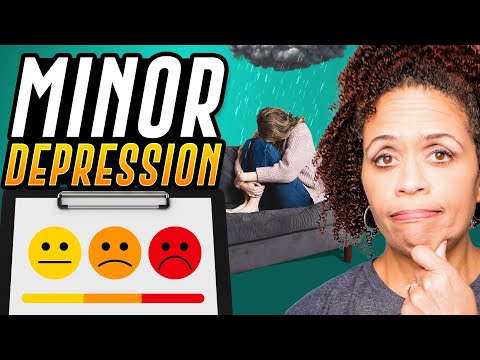
You know how after a long winter, spring can feel so fresh and alive? That’s kind of like what it feels like to come out of depression. But here’s the thing: just because you’re on the road to recovery doesn’t mean everything’s all rainbows and sunshine.
Sometimes, you might notice little signs creeping back in. It’s sneaky, right? One minute you’re feeling hopeful, and the next thing you know, that shadow of doubt comes along for a visit.
So, why does that happen? Well, recognizing those symptoms is super important to keep moving forward. It’s like spotting weeds in your garden before they take over!
Let’s chat about what to look out for. Because knowing is half the battle, my friend!
Understanding Brain Recovery Time After a Depressive Episode: What You Need to Know
So, you’ve just come out of a depressive episode, huh? First off, that’s a big step. But now you might be wondering: how long until I feel like my old self again? Well, the thing is, brain recovery time after depression can really vary from person to person. It’s not like there’s a set clock ticking away—everyone’s journey looks different.
To understand this better, let’s break down some key points:
- Individual Variability: Your brain is unique to you. Factors like age, previous episodes of depression, and overall mental health history play big roles in how quickly you bounce back.
- Physical Health Matters: If you’ve been neglecting your physical health—like sleep or nutrition—that can slow down recovery. Your brain needs fuel and rest to heal.
- Support Systems: Having a solid support network can make a world of difference. Friends or family who understand your experience can speed up the process.
An example I came across was about my friend Jake. He had struggled with depression for years. After a tough episode, he felt exhausted and foggy for weeks! But with therapy and some lifestyle changes—like getting more active—he started to feel brighter within three months. On the flip side, someone else might take longer due to different triggers or stressors in their life.
Recognizing Symptoms: After coming out of depression, keep an eye on lingering symptoms that can show up as your brain recovers. You could feel anxious for no reason or find it hard to concentrate. This doesn’t mean you’re sliding back into a depressive state—it might just be part of the recovery process!
The key here is patience. You’re rebuilding neural connections in your brain that may have been impacted during your depressive episode. It takes time! And while you’re at it, be gentle with yourself if progress feels slow—it’s totally normal.
If you notice persistent symptoms or if things don’t seem to get better over time, don’t hesitate to reach out for help again. Sometimes extra support from professionals can help guide you through those tricky patches.
So remember: recovery isn’t linear; it’s more like an uphill journey with some bumps along the way. Each step counts! Stay hopeful and know that brighter days are ahead!
Reclaiming Your Life: Effective Strategies to Return to Normal After Depression
Reclaiming your life after dealing with depression can feel like climbing a steep hill. The journey back to “normal” is often complex, and that’s totally okay. You might find yourself questioning everything—like your feelings, motivations, and even if you’re truly on the road to recovery. Seriously, it’s a big deal. So, let’s look at some effective strategies that can help you reclaim your life and feel more like yourself again.
Recognize Your Progress
First things first, it’s vital to acknowledge how far you’ve come. Recovery isn’t a straight line; it’s more like a winding road with ups and downs. Maybe last month you could barely get out of bed but now you’re cooking dinner once in awhile. That’s progress! Celebrate those tiny victories—like getting out for a walk or connecting with friends. They all matter.
Build A Routine
Creating a daily routine can offer structure, which is super helpful after feeling lost in depression. Start small; maybe wake up at the same time each day or set a goal to take a shower regularly. These seemingly simple actions build a sense of normalcy in your day-to-day existence.
Reconnect With Others
Isolation often creeps in during depression. It can be hard to reach out for support when you’re finally emerging from that fog, but staying connected is key! Reach out to family or friends you trust, even if it feels awkward at first. You know what? Just sharing how you’re feeling—even the not-so-good parts—can lighten your emotional load.
Practice Self-Compassion
Being kind to yourself is like giving yourself an emotional hug when things get tough. Remember that it’s okay not to be okay sometimes; that’s part of healing! When negative thoughts creep in—like beating yourself up for having a bad day—try redirecting that energy into something positive instead.
Set Achievable Goals
It helps to set small goals rather than chasing after huge milestones right away. Want to read more? Start with just five pages a day! Finding that sweet spot of achievable yet challenging tasks keeps motivation alive without overwhelming you.
Engage In Physical Activity
Here’s the thing: exercise releases endorphins—those feel-good chemicals that can boost your mood naturally! A simple walk outside or even dancing around your living room can help wake up your emotions and shake off some heaviness.
Pursue Enjoyable Activities
What did you love doing before depression took over? Did you enjoy painting or hiking? Reintroducing these activities into your life can reignite passion and bring joy back into those mundane routines!
Acknowledge Relapses
It may happen—you might hit another low point after feeling better for a bit. Don’t stress about it too much; relapses are part of the process for many people recovering from depression. Recognizing them makes it easier to cope and reminds you that you’re still on this journey toward healing.
Remember that recovery isn’t just about “returning” to normal but discovering who you are beyond the struggle with depression—kind of like finding pieces of yourself again after they’ve been hidden for so long. You’ve got this!
Effective Strategies for Depression Treatment: Finding Hope and Healing
Finding your way through depression can feel like wandering in a fog. And once you start feeling better, it doesn’t mean the journey is over. Recognizing the symptoms that might creep back in after recovery is super important. Here are some **effective strategies** that can help you find hope and healing.
Stay Connected
Having a solid support system can make all the difference. Talk to friends or family who understand what you’re going through. You might feel like isolating yourself, but try to reach out. It’s comforting to share your feelings and experiences with someone who gets it.
Practice Mindfulness
Mindfulness helps you stay grounded in the present moment. It’s about tuning into your thoughts and feelings without judgment. You could try meditation, deep breathing exercises, or even yoga. These practices can reduce anxiety and help you manage those sneaky symptoms of depression.
- Keep a Journal: Jotting down your thoughts can really help clear your mind.
- Art Therapy: Expressing yourself creatively might let out some of those bottled-up emotions.
Exercise Regularly
You don’t have to run a marathon—just moving your body helps! Exercise releases endorphins, which are natural mood lifters. Even going for a short walk can change your day around, so get those legs moving!
Set Small Goals
When you’re climbing out of depression, setting big goals can be overwhelming—like trying to climb Mount Everest! Instead, focus on small steps. Completing even simple tasks like making your bed or cooking dinner can give you a sense of accomplishment.
Cognitive Behavioral Therapy (CBT)
If therapy feels right for you, CBT is one approach that has helped many folks deal with depression’s symptoms effectively. It focuses on changing negative thought patterns into more positive ones. Talking to a therapist about this might be beneficial if you’re feeling stuck.
Avoid Substance Abuse
It might seem tempting to use alcohol or drugs as a quick fix when things get tough—but they’re not solving anything long-term! In fact, they often make things worse in the end. Finding healthier coping mechanisms is key.
Nourish Your Body
What we eat affects how we feel—seriously! Eating balanced meals can improve mood stability and energy levels throughout the day. Try incorporating fruits, veggies, whole grains, and healthy fats into your diet.
Remember that recovery isn’t linear; there will be ups and downs along the way—it’s part of the process! Stay aware of any signs that may signal a return of depressive symptoms like changes in sleep patterns or increased irritability.
Look for professional support whenever necessary! Whether it’s talking to friends or seeking therapy again doesn’t mean failure; it just means you’re taking care of yourself.
Finding hope and healing after facing depression takes time and patience—so be gentle with yourself on this journey!
You know, coming out of a tough battle with depression is a serious achievement. But once you feel like you’re on the upswing, it’s easy to think, “Woo hoo! I’m done!” Well, hold on a second. Recognizing symptoms even after recovery is super crucial.
I remember this one time when my friend Sarah finally felt like herself again after months of heavy fog. She was happy, energetic, and outgoing—like we’d gotten our old Sarah back! But then she started having these little moments where she felt off again. It was subtle at first; maybe she’d get moody for a day or two or find herself feeling anxious about stuff that used to be no big deal.
So here’s the thing: your brain can be tricky. Even after you’ve recovered from depression, there are moments when sneaky symptoms might pop back up. That doesn’t mean you’re falling back into the pit; it might just be your mind doing its thing as you adjust to life again.
Sometimes it could just be stress from work or personal life that triggers those feelings. Other times, changes in your routine or even not enough sleep can send your mental health for a loop. Honestly, those reminders are there to keep you aware of how you’re really doing.
And hey—it’s not about freaking out over every little sign. It’s more about checking in with yourself regularly and understanding what’s normal for you now versus what feels concerning. Having self-awareness helps with recognizing what might be just a blip on the radar and what needs some attention.
So if you’ve been through something like this, take those little moments seriously but don’t let them define your journey back to wellness. Trust yourself and lean on support systems around you—friends, family, or therapists who get it and can help guide you through any bumps along the way.
Just remember that healing isn’t always a straight line; sometimes it zigzags around!