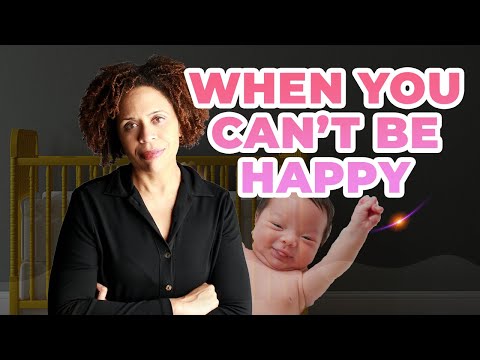
Hey, you know that feeling when you’ve finally come out of a really tough bout of depression? Like, yay for surviving! But then, bam! You suddenly hit this weird wall.
That’s what post depression syndrome can be like. You might expect to feel great, but instead, there’s this strange mix of emotions hanging around. Honestly, it can be super confusing.
So many people think once you’re through the dark times, everything just magically gets better. But nope! That’s just not how it works. It’s like you’ve climbed one mountain only to find another one right in front of you.
Let’s chat about this journey together—what it’s really like and how to navigate those bumpy paths ahead. Because you’re not alone in this, my friend.
Understanding the Causes of Postpartum Depression: What New Mothers Need to Know
Postpartum depression (PPD) is a really tough experience. If you’ve just had a baby and are feeling overwhelmed, sad, or just not yourself, you’re not alone. It’s crucial to understand what might be causing these feelings because sometimes it can make the whole journey of motherhood feel like an uphill battle.
So, let’s break this down. There are a bunch of factors that can lead to PPD, and they often overlap. You know how everyone tells you how amazing becoming a mom is? Well, not all experiences match that picture-perfect narrative.
Hormonal changes play a big role. After giving birth, your hormones go through this major rollercoaster ride. Estrogen and progesterone drop significantly after delivery, which can seriously affect your mood.
Another factor is stress. New moms face a ton of stress—whether it’s sleepless nights, feeding schedules, or just worrying about doing everything right. It can be exhausting! Like I remember my friend Emma; she had her baby and was so stressed about every little thing that she didn’t even notice how worn out she was getting.
Lack of support also comes into play. Having a good support system is crucial but not everyone has family nearby or friends who can step in and lend a hand when things get tough. Feeling isolated or like you’re going through this alone can really intensify feelings of sadness or anxiety.
Let’s also talk about previous mental health issues. If you’ve dealt with anxiety or depression before, you’re at a higher risk for PPD. Your mental health history plays an important role in how you cope with the demands of motherhood.
And here’s something many don’t consider: birth experience. If your delivery didn’t go as planned—maybe it was traumatic or involved complications—that experience can stick with you and affect your emotional state afterward.
Lastly, there are environmental factors. Things like financial stressors or changes in routine can add to the pressure you’re feeling as a new mom. Think about all those adjustments—any big life change is tough on anyone!
Understanding these factors isn’t just for knowing what’s happening; it’s about giving yourself grace. You’re navigating one of life’s biggest transitions! If you find yourself relating to any of this stuff, it’s totally okay to reach out for help.
So yeah, if you feel sadder than usual after having your baby—or if those feelings don’t seem to fade over time—it could be postpartum depression talking. And that deserves attention. Don’t hesitate to talk with someone who gets it—a friend, family member or mental health professional could make all the difference on your path toward feeling more like yourself again!
Effective Treatments for Postpartum Depression: Finding Hope and Healing
Postpartum depression (PPD) can feel like a dark cloud hanging over you after you’ve had a baby. It’s tough, and it’s totally valid to feel overwhelmed. So, let’s chat about effective treatments that can really help bring some sunshine back into your life. You’re not alone in this struggle, and there are several paths to healing.
Counseling and Therapy: Talking things out with someone who gets it can be a game changer. Therapies like cognitive behavioral therapy (CBT) help you identify negative thought patterns and shift them into something more positive. It’s about learning new ways to cope with the intense feelings that come from motherhood. Many women find relief through talk therapy, often feeling lighter after just a few sessions.
Support Groups: Connecting with others who are going through similar experiences is powerful. Support groups provide a safe space to share your feelings without judgment. Hearing other moms’ stories may help you feel less isolated. Plus, they often offer practical advice based on real experiences, which can be super helpful.
Medication: Sometimes therapy alone isn’t enough. Doctors might suggest antidepressants as part of the treatment plan for PPD. These medications can take some time to kick in but could really lift the heavy weight you’re carrying. If you’re worried about side effects or what it might mean for breastfeeding, don’t hesitate to discuss concerns with your doctor.
Self-Care: You might be thinking, «Self-care? Yeah right!» But trust me on this one—little things matter! Finding time for yourself, even if it’s just fifteen minutes a day to breathe or enjoy a warm cup of tea without interruptions, can help recharge your emotional batteries. Exercise is another great way; even short walks outside boost those feel-good hormones.
Involving Your Partner: It’s super important for partners to understand what you’re going through and support you through this journey. Communicating openly about how you’re feeling helps bridge that gap between the two of you. Couples therapy may even be beneficial if the relationship feels strained due to the pressures of new parenthood.
Mindfulness Practices: Mindfulness techniques—like meditation or yoga—can really ground you when your thoughts start spiraling out of control. They teach you how to focus on the present moment instead of dwelling on worries about motherhood or how things will turn out.
Nutritional Support: What you eat impacts how you feel! Incorporating nutrient-rich foods into your meals may support mental health too. Think about eating fruits, veggies, healthy fats and whole grains—they fuel your body and mind in ways we often overlook.
Finding hope and healing from postpartum depression is totally achievable! Remember that finding the right mix of treatments takes time and patience—it’s okay if it doesn’t happen overnight. Reach out for support when needed; taking that step means you’ve already started on your path toward recovery!
Understanding the Duration of Postpartum Depression: Insights and Recovery Strategies
Postpartum depression (PPD) can be a real struggle for new moms. It’s not just the baby blues that hit after giving birth. You might feel an overwhelming sadness, anxiety, or even guilt. One of the biggest questions is: how long does this last? Let’s break it down.
Duration of Postpartum Depression
The duration of PPD can really vary from person to person. Some women might feel symptoms for a few weeks, while others could be in the thick of it for several months or even longer. Basically, if you’re feeling low and it doesn’t seem to improve after about two weeks, it’s time to talk to someone about it.
Many factors play a role in how long PPD lasts. Things like your support system, personal history with mental health, and whether you’ve had complications during pregnancy or childbirth can all influence your experience. If you had a tough birth or complications with your baby’s health, those stressors might add to what you’re feeling.
Insights into Recovery Strategies
Recovery isn’t just about waiting for things to magically get better. It takes action and support! Here are some strategies that can really help:
- Talk therapy: Connecting with a therapist who understands PPD can provide relief and coping strategies.
- Support groups: Sometimes, just knowing you’re not alone makes a huge difference. Sharing experiences with others who get what you’re going through can feel validating.
- Medication: For some women, medication is necessary to manage symptoms effectively. It’s worth discussing options with your doctor.
- Self-care: Prioritize yourself! Simple things like resting when you can, eating well, and getting some fresh air matter more than we often think.
- Acknowledge feelings: It’s totally okay to feel what you’re feeling! Accepting those emotions without judgment is an important step.
Many women find that they start feeling better within weeks when they embrace some of these strategies. For instance, one mom I know felt trapped in her own thoughts until she connected with a local support group online. Just sharing her story made her feel lighter.
The Importance of Support
You don’t have to go through this alone! It’s crucial to lean on family and friends for support—ask them for help with the baby or even just for someone to talk to. Partners should also be involved; understanding the signs and being there emotionally can help both parents navigate this tricky landscape together.
Remember: PPD isn’t something that defines you as a mom or person; it’s a challenge that many face and overcome over time. So if you’re in this boat—or know someone who is—reach out for help when needed because recovery is possible!
Post Depression Syndrome, huh? It’s like finishing a marathon but then realizing you’ve still got the fatigue to deal with! Seriously, it can be a real struggle. You’ve fought the hard battle of depression, got through those dark days, and thought you were ready to embrace life again. But guess what? It’s not always that simple.
You might find yourself still feeling a bit off, even when the clouds have lifted. That’s what happens when your brain is like, “Wait! Where’s my safety blanket?” It’s tough to shake off those lingering feelings. Sometimes it’s like you’re walking on eggshells—feeling lighter but still worried about crashing back down.
I remember my friend Mia. After her long battle with depression, she started feeling better but felt weirdly disconnected from her emotions. She hated it when she couldn’t enjoy things that once brought her joy—like painting or going out with friends. For her, it felt like trying to hold onto sand; the harder she squeezed, the more it slipped away.
So what can you do? First off, it’s okay to feel this way. Post Depression Syndrome isn’t something people really chat about over coffee—I mean who wants that heaviness in their cup? But here’s the thing: acknowledging this phase is super important.
You might also want to explore therapy or talk with someone who gets it. Sometimes just expressing how you feel helps lighten that load a bit. Plus, pursuing small joys can be key! It doesn’t have to be grand gestures; even something simple like watching your favorite show or baking cookies can spark that old flurry of happiness.
And remember, giving yourself some grace is essential too. You’re not alone in this tricky transition—many people navigate these choppy waters after depression. The journey has its ups and downs—some days will be great while others might feel downright heavy again.
But hang in there! You’re building resilience every time you face these challenges head-on. So yeah, keep moving forward at your own pace and know it’s okay to seek help along the way; no one’s got all the answers anyway!