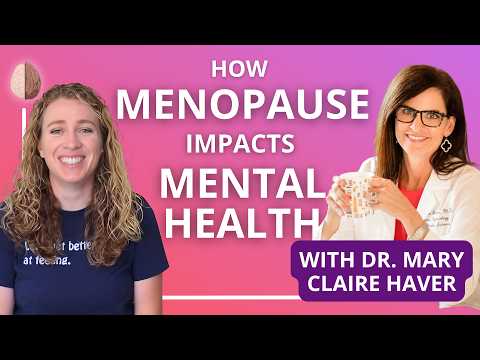
So, let’s chat about something that you might not hear a lot about: postmenopausal depression and anxiety. Yeah, it’s a thing, and it can be kind of a downer.
You know how life throws curveballs? Well, this is one that sneaks up on many women after menopause. One minute you’re feeling fine, and the next? Not so much.
Just when you think you’ve got it all sorted out, these feelings creep in. It’s frustrating. Seriously.
But here’s the deal: you’re not alone in this. A ton of women are figuring this out right alongside you. So what do we do? Let’s explore some ways to cope with those pesky challenges together.
Effective Strategies for Managing Anxiety After Menopause: A Comprehensive Guide
Managing anxiety after menopause can be a real challenge. When those hormonal shifts kick in, they can stir up a cocktail of feelings, leaving you feeling anxious or even depressed. You’re not alone in this. Lots of women face similar issues during and after this transition. So, let’s break down some effective strategies for tackling anxiety post-menopause.
Understanding the Changes
First off, it’s super important to understand what’s happening with your body. Menopause brings major hormonal changes that can impact your mood and mental health. Estrogen levels drop, which affects neurotransmitters in your brain—these are the little messengers that help regulate mood. It’s like your brain is going through its own mini earthquake!
Physical Activity
One of the best ways to combat anxiety is through exercise. Seriously, moving your body releases endorphins, aka the happy hormones. You don’t need to go crazy—simple activities like walking or dancing in your living room work wonders. Just find something you enjoy!
Mindfulness and Relaxation Techniques
Also, have you thought about mindfulness? Practices like meditation or deep breathing exercises can really help calm that racing mind of yours. When you take a few minutes each day to focus on your breath or even just be present in the moment, it helps ease anxiety.
Sociability Matters
Connecting with others makes a huge difference too. Reach out to friends or join support groups where you can share experiences with others facing similar challenges. Seriously, talking about what you’re feeling helps lighten the load.
Nutritional Support
Don’t forget about nutrition! What you eat can impact your mood too. Focus on a balanced diet rich in fruits, vegetables, whole grains, and lean proteins. Omega-3 fatty acids found in fish are particularly beneficial for brain health.
Psychoeducation
Seeking knowledge about what you’re experiencing is empowering as well. Reading books or talking to professionals about postmenopausal symptoms gives context to what you’re feeling—like when you realize that it’s totally normal to feel this way during this phase!
Cognitive Behavioral Therapy (CBT)
If anxiety feels overwhelming at times—you might consider therapy options like Cognitive Behavioral Therapy (CBT). The idea here is simple: it helps shift negative thinking patterns into more positive ones and teaches coping mechanisms tailored just for you.
With all these strategies in place, remember: it takes time to find what works best for you after menopause hits. Be patient with yourself as you navigate these changes; there’s no one-size-fits-all solution here.
The thing is—managing anxiety is not just about one tactic but a mix of strategies tailored uniquely to your situation! Supportive relationships and self-care are key aspects that should be part of this journey too! So go easy on yourself; it’s okay to seek help when needed!
Understanding the Impact of Menopause on Serotonin Levels and Mental Health
Menopause, you know, is one of those life transitions that can really shake things up. It’s not just about hot flashes and mood swings; there’s a lot going on with your brain chemistry too. One big player in all this is serotonin, a neurotransmitter that helps regulate mood. When menopause hits, your body undergoes hormonal changes that can affect serotonin levels. That’s why some women experience depression and anxiety during this time.
To break it down, here are some key points:
- Hormonal Shifts: The drop in estrogen during menopause doesn’t just impact physical health; it also messes with serotonin production. Estrogen is involved in synthesizing serotonin, so when it’s low, you might feel more down than usual.
- Postmenopausal Depression: About 10-20% of women will experience depression after menopause. Symptoms can include persistent sadness, lack of interest in activities, and feelings of worthlessness.
- Anxiety Issues: Alongside depression, anxiety can ramp up too. You might find yourself feeling more anxious or irritable than before, like every little thing is getting under your skin.
- Physical Symptoms: Mood challenges often come with physical symptoms such as fatigue or sleep disturbances. It’s like a double whammy—feeling mentally crummy while also dragging physically!
So let’s talk coping strategies because dealing with these emotional challenges can feel overwhelming.
First off, don’t hesitate to seek professional help. A therapist who understands menopause-related issues can offer valuable support and coping techniques.
Also consider lifestyle changes. Regular exercise isn’t just good for your body; it can boost those serotonin levels too! Even a daily walk can make a difference.
Mindfulness practices like yoga or meditation have also gained traction for their role in reducing anxiety and improving mood. Seriously—it sounds simple but being present can really help clear the mental fog.
Then there are supplements like omega-3 fatty acids or vitamin D that may support mental well-being. Just remember to check with a healthcare provider before starting anything new!
On top of that, connecting with other women who are going through similar experiences can be therapeutic too. Sometimes just sharing what you’re feeling helps lighten the load.
So yeah, menopause is challenging on many fronts but understanding how it impacts serotonin levels gives you tools to manage better. Each woman’s experience is different—what works for one might not work for another—but having options makes all the difference when you’re navigating these choppy waters!
Exploring the Connection Between Low Estrogen Levels and Anxiety: What You Need to Know
So, let’s chat about the whole low estrogen levels and anxiety thing, especially when it comes to postmenopause. If you’re navigating this stage of life, you might have noticed some emotional ups and downs that feel a bit more intense than usual. Here’s the scoop on why that happens.
First off, estrogen does a lot more than just regulate your menstrual cycle. It also plays a role in mood regulation. When estrogen levels drop—like they do during menopause—it can have some serious effects on your mental state. You might feel more anxious or even depressed. Crazy how hormones can mess with our heads, right?
Anxiety symptoms can vary widely from person to person, but common ones include:
- Persistent worry or fear
- Restlessness or feeling on edge
- Difficulty concentrating
- Tightness in your chest or rapid heartbeat
This can all be super overwhelming. I mean, just last week, I was talking to a friend who said she felt like her mood swings were all over the place since hitting menopause. One minute she was fine; the next, she was in tears over something small. That ride can be exhausting!
The connection between estrogen and anxiety isn’t just about feeling blue; it has a biological basis too. Estrogen affects neurotransmitters—those little chemical messengers in your brain—like serotonin and dopamine that help regulate mood. When estrogen dips, these neurotransmitters can get out of whack, leading to feelings of anxiety.
You might be wondering why this affects some women more than others. Well, stress is another player in this game. If life is already throwing curveballs at you—like job stress or family issues—the drop in estrogen could amplify those feelings of anxiety.
Coping strategies are key here because while you can’t control hormonal changes directly, there are ways to manage how they impact your mental health:
- Regular exercise: Seriously, getting moving helps boost those feel-good chemicals.
- A healthy diet: Think lots of fruits and veggies; they’re packed with nutrients that support brain health.
- Meditation or mindfulness practices: These tools help center your thoughts and calm your mind.
- Therapy or counseling: Talking things through with someone can provide support and strategies tailored for you.
If these feelings are really getting in the way of daily life—or if you’re hitting rock bottom—don’t hesitate to reach out for professional help. There’s absolutely no shame in seeking support when you need it!
Also worth mentioning: Hormone replacement therapy (HRT) is an option for some women dealing with these symptoms. It aims to balance those hormone levels again but definitely consult a healthcare professional about what’s best for you.
The thing is, while low estrogen levels can contribute to anxiety during postmenopause, understanding what’s going on inside your body is the first step towards managing those emotions better and taking back control! You’re not alone on this journey; many women experience similar challenges—and together we can find ways to cope!
You know, it’s a little surprising how life keeps throwing curveballs, right? One minute you’re cruising through your thirties and forties, feeling like you’ve got it all together. Then, bam! Menopause hits. And along with those hot flashes comes this uninvited guest—postmenopausal depression and anxiety.
I remember talking to a friend who went through this. She’d always been the life of the party, cracking jokes and lifting everyone’s spirits. But suddenly, she felt this heavy cloud hovering over her. It was like the joy just drained out of her. She’d wake up anxious, worried about everything from her health to whether she was still attractive. It was tough to see someone so vibrant feel so diminished.
Coping with these challenges can be really tricky. There’s this whole cocktail of hormonal changes going on in your body that can mess with your mind big time. It can make you feel like you’re on an emotional rollercoaster—some days okay, others just…ugh. Like, why am I crying over a commercial about puppies? You know what I mean?
That said, finding ways to cope can make a world of difference. For my friend, it was all about talking things out with people she trusted—friends, family, even a therapist who specialized in women’s issues during menopause. Getting those feelings off your chest really lightens the load.
And then there are practical strategies too! Exercise became her best bud—a brisk walk or some dancing in her living room helped boost those endorphins and clear the fog away for a bit. Plus, diving into hobbies she loved brought back that spark she thought she’d lost for good.
So if you’re going through something similar or know someone who is, just remember: it doesn’t have to stay that way forever. Seeking support isn’t a sign of weakness; it’s strength! Finding what works for you is key—whether it’s leaning on loved ones or rediscovering passions that make your heart sing again.
In short? You’re not alone in this journey; there are ways to cope and eventually find your way back to yourself again—even when it feels like everything’s flipped upside down at times.