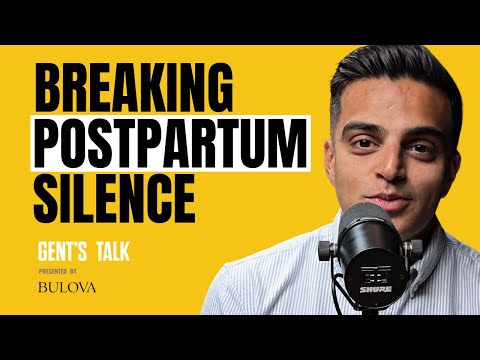
So, let’s talk about something that doesn’t get enough airtime—postnatal depression in men. Yeah, you heard me right. It’s not just a thing that affects women after they have a baby.
Imagine this: Your buddy just became a dad, and instead of celebrating, he feels lost and overwhelmed. It’s kinda heartbreaking, isn’t it? But for some guys, that’s the reality.
We often focus on moms during those first months after birth, but dads can struggle too. They might not even recognize it as depression. Like, how do you even talk about feeling low when everyone expects you to be “the man” or “the strong one”?
Anyway, let’s dig into this overlooked issue together. There’s more to it than meets the eye!
Understanding Postnatal Depression: Exploring Its Status as a Mental Health Issue
So, let’s talk about postnatal depression, or PND for short. You might think it’s just something new moms go through, right? Well, that’s only part of the story! This condition can affect anyone who’s recently become a parent, including fathers. Seriously, it’s a hidden issue that doesn’t get enough attention.
What is Postnatal Depression?
PND is like this heavy cloud hanging over your head after you have a baby. It’s not just about feeling sad; it can manifest as anxiety, exhaustion, mood swings, and even trouble bonding with your little one. Imagine being in a room full of people but still feeling completely alone—that’s how some parents feel.
And here’s the thing: PND doesn’t discriminate. Both moms and dads can experience it. For dads, it often goes unnoticed because society tends to focus on mothers when it comes to postpartum issues. But men can struggle too! Picture this: a new dad excited about his baby but then suddenly feeling disconnected or overwhelmed by the responsibilities and changes around him.
Why is It Noticed More in Women?
Well, culturally speaking, most conversations around PND revolve around women. New moms are usually expected to bond instantly with their babies while facing hormonal changes that can trigger depression. That intensity makes their struggles more visible.
However, for men? It can be different. They might try to “man up” instead of expressing their feelings or asking for help. Imagine trying to put on a brave face when you’re actually feeling lost and unsure—that’s what many fathers go through.
Signs of Postnatal Depression in Men
Understanding the signs in yourself or someone else is so important! Here are some common symptoms that might pop up:
- Feeling overwhelmed by fatherhood.
- Anxiety about caring for the baby.
- Loss of interest in things you once loved.
- Difficulty connecting with your partner or child.
- Irritability or anger that seems out of character.
Just look at Mike—he was so excited to be a dad but felt completely lost two months after his baby was born. He started snapping at his wife over small things and withdrew from friends who used to lift his spirits.
The Statistics
Here’s an eye-opener: studies show that about 10% to 15% of dads may experience some level of postnatal depression after their partner gives birth. That’s significant! And it gets even trickier when you realize how many more men might not seek help or even recognize what they’re going through.
The Importance of Support
If you’re feeling off after becoming a parent—or if you’re watching someone go through this—reach out! Talking helps lighten the load. Friends can be super supportive; family too! But professionals like therapists or counselors provide valuable help tailored specifically for new parents.
Sometimes all it takes is opening up about your feelings—like honestly admitting you’re scared—or confused by everything happening around you as a new father. It doesn’t mean you’re weak; rather, it’s seeing strength in vulnerability!
In summary, postnatal depression is no joke—it affects all parents and shouldn’t stay hidden under a blanket of silence anymore. So next time someone mentions postnatal depression, remember: it’s about all parents experiencing those overwhelming emotional waves—dab hands-on deck need support too!
Uncovering the Root Causes of Male Depression: Understanding What Lies Beneath
Male depression is a complex and often overlooked issue. When we think of depression, we often picture someone who’s just unable to get out of bed, feeling sad all the time. But it’s way more than that. In men, especially after becoming fathers, depression can show up in sneaky ways that might not scream “I need help.”
You know, it’s pretty common for new dads to feel this pressure—like they have to be a superhero. They want to be strong and supportive, but they might feel completely lost or overwhelmed. Like I’ve seen some dads who are totally excited about the idea of becoming a father, but then when the baby arrives? Things shift dramatically. The joy can quickly turn into stress and anxiety.
Let’s dig into some of the root causes.
- Biological changes: Just like moms go through physical changes after childbirth, dads can too. Hormone levels shift in men as well. Some studies suggest testosterone levels may drop after having a baby.
- Sleeplessness: Newborns wake up every few hours—hello sleepless nights! This exhaustion can make anyone feel cranky or down.
- Societal expectations: Society often tells men they should be tough or unemotional. This can lead to feelings of isolation when they’re struggling with their mental health.
- Lack of support: Not every new dad gets a ton of support like new moms do. Friends and family may shower the mom with attention while ignoring how dad feels during this huge life change.
A friend of mine once told me about his experience after his first child was born. He felt like he had to be “the rock” for his partner while juggling work and parenting responsibilities. But inside? He was stressing out about everything—finances, sleep deprivation, you name it! It wasn’t until he hit a breaking point one day, just sitting in his car sobbing after work, that he realized he needed help.
That moment of vulnerability is key because it opens doors for conversations about mental health that frankly aren’t happening enough among guys.
Recognizing postnatal depression in men is crucial for their well-being and the whole family dynamic. If you notice signs like irritability, withdrawal from loved ones, or even sudden mood swings, it’s important to address them sooner than later.
So what are some options here? Therapy can be game-changing—talking things out with someone who gets it helps lighten that emotional load significantly! And let’s not forget medication could play a role too; it’s not just for women or rare cases.
But seriously? It all starts with acknowledging that male postpartum depression exists and understanding what lies beneath those feelings of sadness or anger. By doing this together—sharing stories and encouraging honesty—we create an environment where everyone feels safe reaching out when things get heavy.
In short? Male depression is real; tackling it begins with understanding its roots and fostering open conversations about mental health among all parents—not just mothers!
Identifying Risk Factors: Which New Mothers Are Most Prone to Postpartum Depression?
Identifying risk factors for postpartum depression (PPD) is super important, especially when it comes to understanding how it affects not just new mothers, but also fathers. As a new parent, you’re navigating a whirlwind of emotions and changes. But some people face tougher odds when it comes to mental health.
So, let’s break down who might be at greater risk for PPD:
Previous Mental Health Issues: If you’ve had depression or anxiety before pregnancy, you might be more likely to deal with PPD. That history can cast a long shadow, making the transition into parenthood harder.
Support System: A solid support network is key. If you feel isolated, like no one’s got your back, that can set the stage for PPD. It’s like trying to climb a mountain alone—way tougher without friends or family cheering you on.
Stressful Life Events: Major life changes—like moving houses or losing a job—can pile on stress. If these happen around the same time as becoming a parent? Yikes! This can seriously mess with your emotional well-being.
Unplanned Pregnancy: Sometimes pregnancy isn’t planned or wanted. This can leave new parents feeling overwhelmed and out of control, which isn’t great for mental health.
Coping Skills: Your ability to handle stress plays a major role here. If you’ve not built up strong coping strategies over the years, navigating the challenges of parenthood might feel like drowning in an ocean.
Postpartum depression doesn’t just affect moms; it also sneaks up on dads too! Seriously, many men find themselves in this dark place after their partner gives birth. The thing is, they often don’t talk about it as much, leaving their struggles hidden under the surface.
So remember this: PPD isn’t picky about whom it affects—it hits those already vulnerable and those who are caught off guard by the massive changes brought along by parenting. Awareness is crucial because acknowledging these factors helps in pinpointing those who might need extra support.
In short, knowing these risk factors is like having a map through uncharted territory. It doesn’t solve everything but helps identify where things might get bumpy along the way!
You know, when we talk about postnatal depression, it almost always revolves around new moms. There’s this image of a woman who just gave birth, dealing with overwhelming feelings of sadness or anxiety. But here’s the thing—men can get hit with this too, and it often flies under the radar.
I remember talking to a friend of mine after he and his partner had their first baby. He was so excited at first but then started feeling really down. At first, he thought it was just the sleep deprivation, you know? But when those feelings lingered—like a dark cloud that wouldn’t go away—he realized something deeper was going on. It wasn’t that he didn’t love his kid; it was more like this sudden avalanche of pressure and emotions that caught him off guard.
So basically, postnatal depression in men can show up as irritability, emotional withdrawal, or even anger. It can feel confusing for them because society kinda expects dads to be strong and stoic. Who wants to confess they’re struggling when everyone thinks they should be reveling in their role as a new dad? The thing is, it’s super common for men to face this after a partner gives birth—research shows that about 10% to 20% of new fathers experience postpartum depression.
But there’s still that stigma attached. It’s like there’s an unwritten rule that says dads should just “man up.” This pressure makes it hard for them to speak out or even seek help. They might think, “What will people say?” or “Am I less of a man if I admit I’m not okay?” That kind of thinking pushes them further into isolation.
If you’re out there feeling overwhelmed like my friend did, remember you’re not alone. Talking to someone—a buddy or even a therapist—can make a world of difference. It’s totally cool to lean on others during tough times; that doesn’t make you weak!
It really makes you stop and think about how we view mental health issues in general—not just postnatal depression but all kinds of struggles guys might face without talking about them openly. And maybe by opening up these discussions more broadly, we can help normalize those conversations for everyone involved in parenting or any transitional period in life.
Embracing vulnerability isn’t just brave; it’s necessary for mental health! So yeah, whether you’re a mom or dad feeling off-kilter after welcoming little ones into your life, know that it’s okay to reach out and ask for some support along the way.