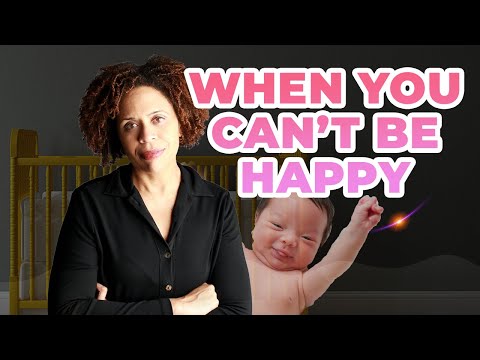
You just had a baby. It’s an amazing moment, right? But then, bam! You feel all over the place. One minute you’re smiling at that tiny face, and the next you’re crying for no reason at all.
Mood swings can be totally normal after giving birth. But when they start messing with your day-to-day life? That’s when things can get tricky. Postpartum depression isn’t just about feeling sad; it’s like riding a rollercoaster you didn’t sign up for.
I mean, life changes so fast after a baby arrives. Your emotions can go from joy to despair in a heartbeat. It’s overwhelming, and you’re definitely not alone in feeling this way.
So let’s talk about it. We’ll sort through the ups and downs together. Because navigating mood swings after having a baby doesn’t have to be something you’re doing all on your own.
Navigating Postpartum Mood Swings: Effective Strategies for New Moms
It’s common to feel some intense emotions after having a baby. Seriously, the joy of those baby snuggles can flip to crying spells in a flash. This rollercoaster is something many new moms face. We’re talking about postpartum mood swings, which can range from the baby blues to something more serious like postpartum depression (PPD). Let’s unpack this, shall we?
First, understanding the changes happening in your body is essential. After giving birth, your hormones are swinging all over the place—think estrogen and progesterone dropping like a rock. This drop can mess with your mood and make you feel anxious or sad.
And then there’s the fact that being a new mom is overwhelming. You’re adjusting to sleepless nights, diaper changes, and figuring out how to soothe a tiny human. No wonder you might find yourself feeling irritable or blue one moment and ecstatic the next.
Here are some strategies that could help you manage those emotional ups and downs:
- Talk it out: Whether it’s with your partner, friends, or family, sharing what you’re feeling can be so freeing. It’s like lifting a weight off your chest.
- Join a support group: Connecting with other new moms can help normalize what you’re going through. Seeing others face similar struggles can bring comfort.
- Take care of yourself: Sounds simple but it’s huge! Try to grab even small moments for self-care—like taking a warm bath or reading for ten minutes while the baby naps.
- Stay active: A little exercise can do wonders for your mood! Even just a walk around the block with the stroller gets endorphins flowing.
- Slightly adjust expectations: It’s okay if everything isn’t perfect! Cut yourself some slack; no one has it all figured out right away.
Now, real talk—if things feel too heavy or you notice that those feelings persist beyond just a few weeks after delivery, it might be time to reach out for professional help. Talking to a therapist who understands postpartum issues could really make a difference.
There was this one mom I knew who felt completely lost after her baby came home. She never expected that her joy could coexist with sadness and anxiety. It was tough for her to admit something wasn’t right at first. But once she started chatting with her friends and joined an online support group, things began shifting in her favor—like slowly finding pieces of herself again.
Also remember: You’re not alone in this journey. Many women have walked this path before you and found their way back to feeling like themselves again. Your feelings are valid; give yourself grace as you navigate these tricky waters of motherhood!
Understanding Postpartum Mood Swings: Duration, Causes, and Coping Strategies
Postpartum mood swings can be really tough to handle. One minute you’re feeling on top of the world and the next, it’s like you’ve hit rock bottom. If you’re a new parent, you might be wondering what’s going on with your emotions. So, let’s break it down.
Duration: Mood swings after childbirth can vary. For some, they last just a few days or weeks. For others, especially if it spirals into postpartum depression (PPD), you might feel off for several months or even longer. It’s essential to keep an eye on how intense and persistent those feelings are.
Causes: There are a few reasons why these mood swings happen. First off, hormonal changes play a huge role. After giving birth, your body experiences rapid shifts in hormones like estrogen and progesterone, which can affect your mood drastically. Plus, lack of sleep is basically a rite of passage for new parents—exhaustion can totally amplify those feelings.
But it isn’t all about hormones and sleep deprivation; emotional factors come into play too! You might feel overwhelmed by the responsibilities of being a parent or anxious about caring for your newborn. And there’s the big adjustment to life with baby—transitioning from your old routine can make anyone feel rattled.
Coping Strategies: Dealing with postpartum mood swings isn’t easy, but there are strategies that can help:
- Talk it out: Sharing your feelings with friends or family members who get it is super helpful. Sometimes just voicing what you’re going through makes a world of difference.
- Seek professional support: If things feel heavy, connecting with a therapist who understands postpartum issues can really help lighten the load.
- Establish routines: Having some sort of structure in your day—like designated nap times for both you and baby—can create stability.
- Practice self-care: You need to recharge! Simple things like taking a long shower, squeezing in a few minutes of reading, or even getting outside for fresh air can lift your spirits.
- Avoid isolation: Being around other new parents—even virtually—can remind you that you’re not alone in this struggle.
And just as an example: I once talked to a friend who had her first baby and felt completely lost in this swirl of emotions. Some days she was joyful; other days she’d cry over spilled milk! But when she reached out for help—and started letting her friends take care of her—it really transformed her experience.
The thing is, if these mood swings begin affecting your daily life or last longer than expected, don’t hesitate to reach out for professional help. It’s totally normal to seek support during such a major life change. Remember: being kind to yourself will go further than you realize in this journey through parenthood!
You know, dealing with mood swings during postpartum depression can feel like riding a rollercoaster you didn’t sign up for. One minute you’re on top of the world, amazed by this tiny human you’ve created, and the next, it feels like everything’s crashing down around you. Seriously, it’s exhausting.
I remember a friend of mine who had her baby a couple of years ago. She was overjoyed when they brought the little one home. But then, outta nowhere, she found herself crying in the shower for no reason at all or feeling angry about things that never bothered her before. It really shook her because she thought motherhood was supposed to be all rainbows and sunshine. And yet, here she was feeling lost in this whirlwind of emotions.
So what’s going on with these mood swings? Well, postpartum depression is more than just the baby blues. It’s like your hormones are throwing a party without inviting you to join in. You’ve got crazily fluctuating levels of estrogen and progesterone after giving birth, which can mess with your mood—big time! Plus, there’s the whole shift in your day-to-day life: lack of sleep, feeding schedules, oh and let’s not forget those nights when you can’t figure out why the baby won’t stop crying.
But here’s the thing: you’re not alone in this struggle. Seriously! Many new moms feel this way but don’t always talk about it. So it’s super important to open up about what you’re going through—whether that means chatting with friends or professionals who get it.
And if you’re feeling overwhelmed by those wild mood swings? Don’t hesitate to seek help; it’s not a sign of weakness, but rather a powerful step toward healing. Whether that means therapy or medication—or just finding some calm moments amidst the chaos—it’s all part of navigating this journey as best as you can.
So if you’re riding those emotional ups and downs right now? Hang tight! You’re doing better than you think. You’ve got support right around the corner—and brighter days ahead too!