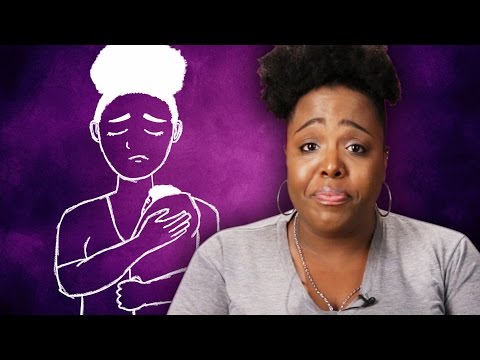
So, here’s the thing. You know how having a baby is supposed to be this magical time, right? But sometimes, it can feel like a total rollercoaster instead.
Postpartum depression is a real struggle that many new parents face. It’s like this heavy cloud that just won’t lift. And honestly? People don’t talk about it enough.
That’s where Reddit comes in. It’s wild how open folks can be on there. They share everything—raw feelings, crazy moments, and those nights when sleep feels like a distant dream.
In this space, you find support and community in the strangest places. Let’s dig into those conversations around postpartum depression and how they shine a light on mental health struggles for new parents.
Understanding the Link: Can Postpartum Depression Result in Long-Term Mental Illness?
Postpartum depression (PPD) is a real and serious condition that affects many new moms. It’s like this overwhelming wave of sadness, anxiety, and exhaustion that can hit after having a baby. If you’ve been hanging out on Reddit or other forums, you might have seen lots of discussions around it. People share their struggles and questions about how PPD can connect to longer-term mental health issues.
So, can postpartum depression *really* lead to long-term mental illness? Well, the short answer is: yes, it can.
First off, let’s look at some of the key points:
Now imagine a friend named Sarah who had a tough time after her baby arrived. She felt this deep sense of hopelessness and got overwhelmed by even small tasks like making dinner or changing diapers. Sarah thought these feelings would just pass as time went on. But as months rolled by, she found herself facing panic attacks and bouts of anxiety she’d never experienced before.
What happens is that PPD doesn’t always resolve on its own; in some cases, it lingers or evolves into something more persistent when left untreated. It’s essential to address these feelings early on because they don’t just impact the mother—they affect the whole family.
You know? The risk factors play a significant role too—if there’s a history of mental illness in your family or if you faced stressful life events during pregnancy (hello, pandemic babies!), you might be more susceptible.
Ultimately? Taking care of your mental health after giving birth is crucial for both you and your little one. Seeking help from professionals isn’t just okay; it’s necessary! Therapy options exist, and sometimes medication may also play a part.
Understanding PSI Baby Blues: Causes, Symptoms, and Coping Strategies for New Parents
So, if you’ve just had a baby or are about to, you might hear about the “baby blues.” This term refers to the emotional ups and downs many new parents experience after childbirth. While it’s pretty common, it can definitely feel intense. Let’s dig into what’s happening.
What Causes Baby Blues?
The baby blues typically pop up within a few days after birth and can last for a couple of weeks. See, your body has gone through a ton of changes. The hormonal shifts are like riding an emotional rollercoaster. But that’s not all; sleep deprivation is a huge factor too. When you’re up all night with your little one, it messes with your mood.
Common Symptoms
You might find yourself feeling weepy or irritable for no apparent reason. Maybe you feel anxious or overwhelmed by responsibilities—trust me, that’s totally normal! Here are some symptoms to look out for:
- Feeling sad or tearful.
- Irritability and mood swings.
- Anxiety about parenting.
- Difficulty sleeping (even when the baby sleeps).
- Feeling overwhelmed by even simple tasks.
I remember talking to someone on Reddit who described her experience perfectly—she felt like she was constantly on edge but couldn’t quite pinpoint why. At times, she’d cry while folding laundry because it just felt like too much. It really gives you perspective!
Coping Strategies
If you’re feeling the baby blues, don’t worry; there are ways to cope and get through this transitional period.
- Talk It Out: Connecting with friends or family who have been through this can help so much. Getting things off your chest lightens the load.
- Sleep When You Can: I know it’s easier said than done, but try napping when your baby naps! Seriously; you’ll feel better.
- Pace Yourself: Don’t expect to have everything figured out right away. Take things one day at a time.
- Avoid Isolation: Go for short walks or hang out with other new parents when you’re feeling up for it. Getting out of the house can lift your spirits!
- If Needed, Seek Help: If these feelings linger longer than two weeks or become overwhelming, talking to a therapist can make a big difference.
Don’t hesitate to reach out if things start getting heavy—you’re not alone in this journey!
In essence, while baby blues can be a tough phase for many new parents—remember that it’s usually temporary and not unusual at all. And if it begins spiraling into something more serious like postpartum depression (PPD), detecting those signs early can be key in getting the support needed.
Just remember: taking care of yourself means you’re taking care of your baby too! So go easy on yourself during this wild ride of parenthood!
You know, I’ve been scrolling through Reddit lately, and the discussions around postpartum depression really catch my eye. It’s kind of amazing how a platform like that can bring so many people together to share their experiences and feelings about something so tough, you know?
Take someone who just had a baby. They might feel this mix of joy and overwhelming sadness all at once. One mom shared how she felt completely disconnected after giving birth. She wrote about sitting in her nursery, surrounded by all these baby clothes and toys, but feeling like she was in a fog. Like, she couldn’t even muster the energy to pick up her little one sometimes. That hit hard because it’s not just her – it’s something a lot of people go through but often don’t talk about.
What stands out is how these conversations normalize feelings that can be super isolating. You could see comments from other parents saying things like “I felt that too” or “You’re not alone.” That sense of community can be downright lifesaving for someone who might think they’re the only one feeling this way. People are sharing not just their struggles but also tips on what helped them – from therapy to medication or even just having a good cry with a friend.
It’s wild how people open up in ways they might not face-to-face. Some might feel embarrassed or worried about judgment, but behind those screens, there’s this brave vulnerability that shines through. For those reading along, it’s like having access to an emotional lifeline—seeing they aren’t alone in their battles makes the world seem a bit less heavy.
But it’s also important to remember that while Reddit is fantastic for support, real help from professionals is still vital too. You can find great advice online, sure, but nothing beats chatting with someone who’s trained to help you navigate these storms.
So yeah, it’s something special that Reddit creates this space for those conversations around postpartum depression and mental health in general. It reminds us all that whether you’re sharing your story or offering support with a simple comment – every word counts when it comes to healing and finding light in dark moments.