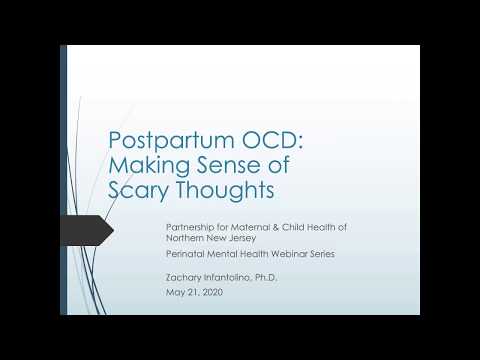
So, let’s talk about postpartum OCD. It’s one of those things people don’t really chat about, you know? Like, when you think of new moms, you picture cuddles and sleepy smiles. But for some women, it can be a totally different story.
Imagine feeling overwhelmed by thoughts that just won’t stop. You’re supposed to be soaking in baby giggles, yet your mind is racing with worries. It’s a lot, right?
It’s tough to navigate this stuff alone. Seriously, lots of people feel lost and unsure after having a baby. You’re not alone in this. Let’s break it down together and tackle those emotional ups and downs that come with postpartum OCD.
Understanding Postpartum OCD: Duration, Recovery Tips, and What to Expect
Understanding Postpartum OCD is really important, especially for new parents. So, what’s the deal with this condition? Basically, it’s a type of obsessive-compulsive disorder that can pop up after giving birth. You might experience intrusive thoughts that make you feel anxious about your baby’s safety or your ability to care for them. It’s super common, but it can feel totally isolating.
You might be wondering how long this lasts. The thing is, there isn’t a one-size-fits-all answer. For some, postpartum OCD may ease up within a few weeks or months after giving birth. For others, it might linger longer. But here’s the good news: recovery is totally possible!
Now let’s talk about recovery tips. Here are some things that could help:
- Talk to Someone: Seriously, don’t keep it bottled up. Whether it’s family, friends or a therapist, sharing your feelings makes a huge difference.
- Seek Professional Help: A mental health professional can guide you through evidence-based treatments like cognitive-behavioral therapy (CBT). This approach helps you change negative thought patterns.
- Practice Self-Care: Make time for yourself! Even short breaks can recharge your batteries and help reduce anxiety.
- Meditation and Mindfulness: These practices can ground you in the moment and reduce those overwhelming thoughts.
- Medication: If things get really tough, talking to a doctor about medication options might be worthwhile.
It’s also good to keep in mind what to expect during recovery. You may feel ups and downs along the way; that’s totally normal! Sometimes you’ll notice improvements and other times it might feel like you’re stuck in a rut. That’s okay; progress isn’t always linear.
Lastly, if you’re feeling overwhelmed with scary thoughts about harming yourself or your baby—please reach out for immediate help! It’s so essential to prioritize safety during these moments.
You know, it can feel like such an uphill battle when these intrusive thoughts creep in after having a baby. I remember talking with a friend who just had her first child; she’d spend hours worrying whether she’d accidentally drop him or forget him in the car. Just hearing her talk about those fears made my heart ache because I knew how real and scary they felt for her.
So remember: postpartum OCD doesn’t define you as a parent or person; recovery takes time but support is key! With understanding and treatment, you’ll navigate through this rollercoaster of emotions and come out stronger on the other side.
Effective Strategies to Manage Postpartum OCD: A Guide for New Parents
Postpartum OCD can feel like a shadow looming over new parents. If you’re finding yourself caught in repetitive, intrusive thoughts about your baby’s safety, you’re not alone. Seriously, it’s more common than you might think. Understanding how to manage these feelings is crucial for both your well-being and your family’s.
First off, recognizing the signs is vital. You might be experiencing obsessive thoughts that make you doubt your abilities as a parent—like constantly worrying that something bad will happen to your baby. These thoughts can be distressing and exhausting.
Then there’s the compulsive behaviors that often follow those thoughts. Maybe you find yourself checking on your baby repeatedly or performing certain rituals to feel safer. It can feel overwhelming, but pinpointing these patterns helps give them less power over you.
Talking to someone can be a game changer. Sharing what you’re feeling with a trusted friend or family member helps lighten the load. Let me tell you, there’s something therapeutic about verbalizing those pesky thoughts instead of keeping them bottled up inside.
And don’t shy away from professional help if you’re feeling stuck. A therapist who specializes in postpartum challenges can guide you through this maze of emotions. Cognitive Behavioral Therapy (CBT) is particularly effective here, helping reframe negative thought patterns into more manageable ones—basically teaching your brain to take a step back and breathe.
Another powerful strategy is mindfulness. This might sound cliché but hear me out: practicing mindfulness techniques helps center you in the present moment rather than spiraling into what-ifs and worst-case scenarios. Simple breathing exercises or focused meditation can create a nice mental break from those racing thoughts.
Oh, and sleep? Yeah, it’s super important! I get it; with a newborn around, sleep feels like some far-off dream—but even short naps can significantly impact how you’re feeling throughout the day. Try catching some z’s whenever possible—even if it’s just for 20 minutes!
Connect with other parents dealing with similar experiences too! Support groups provide that safe space to share stories and coping strategies without judgment. It makes all the difference when you know others get it—trust me on that one.
Also, consider keeping a journal. Writing down your feelings offers an outlet for those swirling thoughts while providing clarity on what triggers them in the first place. You’d be surprised at how cathartic it feels to get everything out on paper!
Lastly, don’t pressure yourself to be perfect; parenthood doesn’t come with an instruction manual—and that’s totally okay! Be gentle with yourself as you’re navigating uncharted waters—it might even help to repeat “I’m doing my best” as a mantra sometimes.
So remember: it’s tough but manageable with the right tools and support systems in place. You’re stronger than those intrusive thoughts; just take it one day at a time!
Understanding the Emotional Impact of OCD: Insights into Living with Obsessive-Compulsive Disorder
Living with Obsessive-Compulsive Disorder (OCD) can be a rollercoaster of emotions. It can hijack your thoughts and make even the simplest tasks feel monumental. When you throw in something like postpartum OCD, things get even trickier.
First off, let’s break down what OCD really is. Essentially, it’s a condition where people experience unwanted repetitive thoughts (obsessions) and feel compelled to perform certain actions (compulsions) to alleviate the anxiety these thoughts cause. Imagine being trapped in a loop that just won’t quit. It’s exhausting.
Now, postpartum OCD specifically can show up after having a baby. You might think, “Hey, I’m supposed to be filled with joy,” but instead, you’re battling intrusive worries about harming your baby or obsessing over keeping everything spotless and safe. It’s like being on high alert all the time, which is no small feat when you’re also juggling sleep deprivation and those overwhelming new parent feelings.
Here are some emotional impacts of living with postpartum OCD:
I remember talking to someone who had postpartum OCD and struggled with constantly checking if the baby was breathing. Every time she’d lay her head down for just a second of rest, that nagging fear would creep back in—she felt she couldn’t trust herself for even a moment.
It’s important to know that these feelings are not your fault; they are part of the disorder’s grip on your mind. You’re not alone in this fight; many parents go through similar challenges.
Dealing with it means finding support:
Each person’s journey is unique; what works for one might not work for another. The most crucial step is recognizing that there’s help out there. If you or someone you know may be facing these challenges, reach out and talk about it openly.
OCD doesn’t define you; it’s just one aspect of your life right now. With patience and support, navigating through this can lead you toward better days ahead, filled with the joy you’re meant to have as a parent!
You know, having a baby brings so much joy, but it can also bring some unexpected emotional challenges. Take postpartum OCD, for instance. It’s like, one minute you’re all over the moon about your new arrival, and the next you’re spiraling into a whirlpool of intrusive thoughts that just won’t quit. Seriously, it’s not uncommon for new parents to feel overwhelmed.
Imagine this: a friend of mine had her first child. She was ecstatic at first, soaking in those newborn snuggles. But then those happy moments got tangled up with these crazy thoughts — like fears about accidentally harming her baby or something awful happening. The thing is, she loved her child fiercely but felt like these thoughts were turning her life upside down. It’s so tough when you want to be that perfect mom but your mind is throwing every ‘what if’ scenario at you.
Postpartum OCD often gets overlooked. People think it’s just anxiety or typical worries that come with being a new parent, but it’s more than that. You might find yourself obsessively checking things — did I lock the door? Is the baby breathing? It can feel like you’re stuck in a loop, and hey, it’s exhausting! It’s like carrying around this heavy backpack that no one else can see.
And let me tell you about those emotional ups and downs. One moment you could be bursting with love while gazing at your little one and then suddenly hit by panic over something totally irrational. It can make you feel isolated because who wants to confess they’re having these weird obsessions when everyone else seems to be glowing? That gap between how you feel inside and how others perceive your experience can feel pretty lonely.
If this sounds familiar at all — remember it’s okay to reach out for help! Therapy can really be a game changer here; speaking to someone who gets what you’re going through might lighten that load just a bit. Plus, there are coping strategies that actually work for calming those chaotic thoughts.
So while postpartum OCD may throw some serious curveballs your way, know that you’re not alone navigating this journey. With support and understanding — both from yourself and others — it gets easier as time goes on. Embrace every bit of joy along with those harder moments; they all come together in this wild ride called parenthood!