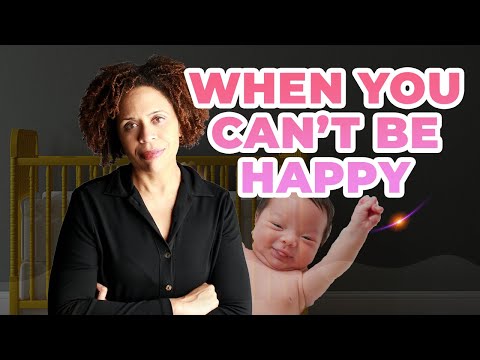
You just had a baby. That’s amazing, right? But, like, it can also feel overwhelming.
The highs are super high, but the lows? They can hit hard. Many new parents find themselves in a whirlwind of emotions they weren’t really ready for.
You might wonder if you’re the only one feeling this way. Spoiler alert: you’re not! Seriously, so many people struggle after giving birth.
It’s like this huge life change can turn your mental health upside down without warning. And that’s okay. This journey is about figuring out what you need and how to get there.
Let’s talk about some of those challenges and how to navigate them together. You’ve got this!
Understanding the Emotional Challenges of New Parenthood: Why You Might Feel Mentally Strained After Having a Baby
New parenthood is, like, one of the biggest life changes you can go through. You might think you’re ready for it, and then bam! Everything flips upside down. Seriously, it comes with a whirlwind of emotions that can leave you feeling totally overwhelmed. So let’s break it down a bit.
First off, there’s the physical exhaustion. The sleepless nights? Yeah, they are no joke. When you’re waking up every few hours to feed or soothe your baby, your body can feel like it’s been hit by a truck. This sleep deprivation messes with your mood and mental clarity. You may find yourself feeling cranky or unable to focus at all.
Then there’s the pressure to be the perfect parent. It’s insane! Whether it’s from social media or well-meaning family members, there’s this constant comparison game going on. You might see pictures of other parents who seem to have it all together while you’re just trying to make it through the day without losing your mind. That guilt can really pile on.
Hormonal changes are another big factor here. After giving birth, your hormones go on a rollercoaster ride, which can lead to feelings of sadness or anxiety—even if you were totally fine before pregnancy! It’s like having a bad case of mood whiplash.
Also, let’s talk about identity shifts for a moment. Becoming a parent changes how you see yourself in so many ways—what you care about and how you spend your time change drastically. You might find yourself missing your old life and feeling guilty about it at the same time.
And don’t forget about isolation. New parents often feel lonely since they might not be able to hang out with friends as much as they used to. It can feel like everyone else is living their life while you’re just cooped up at home with a little one who won’t stop crying.
Here are some key emotional challenges that come up during this phase:
- Anxiety: Worrying about whether you’re doing everything right.
- Depression: Feelings of sadness that don’t seem to lift.
- Irritability: Getting annoyed over little things when patience runs thin.
- Overwhelm: Feeling like everything is too much to handle.
I remember talking to a friend who had her baby last year. She described days where she felt on top of the world when her baby smiled but then crashed when he started crying for hours—like an emotional rollercoaster she didn’t sign up for! It was hard for her to admit she felt lost sometimes amidst all that joy.
But here’s the thing: you’re not alone in this struggle! Lots of new parents experience mental health hurdles after childbirth—and that’s totally okay to acknowledge! If you’re finding those feelings tough to bear or they’re sticking around longer than you’d like, reaching out for support is super important.
Whether it’s chatting with friends, joining parent groups online or in-person, or even talking with a therapist who gets what you’re going through—those connections can really help lighten that emotional load!
So remember: giving yourself grace is key during this crazy journey called parenthood! You’re doing great even if it doesn’t always feel that way!
Understanding Mental Recovery After Birth: How Long It Takes for Your Body to Normalize
Understanding Mental Recovery After Birth is such an important topic. You go through so much while bringing a new life into the world, and it’s totally normal to feel a mix of emotions afterwards. Everyone talks about the physical recovery, but what about your mind? It can take some time to get back to feeling like yourself.
So, let’s break it down. After childbirth, many women experience shifts in their mental health because of hormonal changes, lack of sleep, and new responsibilities. You might find yourself feeling overwhelmed or even experiencing mood swings—seriously, that’s pretty common!
Recovery typically doesn’t have a set timeline. It can vary greatly from person to person. Some women might start feeling more like themselves in a few weeks, while others may take months or even longer. A lot depends on your individual circumstances, including any support you have around you.
- The immediate postpartum period: In the first couple of weeks after birth, it’s normal to feel a whirlwind of emotions. This is often referred to as the «baby blues.» You might cry for no reason or feel anxious; it’s your body adjusting.
- Second phase: Around two to six weeks in, if feelings of sadness linger or intensify, you could be facing postpartum depression (PPD). This isn’t just regular sadness—it can really affect how you bond with your baby and manage daily tasks.
- Long-term outlook: If symptoms continue beyond six months, it’s essential to reach out for support. Many women find therapy helpful during this time; talking things out can make a huge difference.
Let me share a quick story: my friend Carla had her baby last year and was all smiles at first—but she also felt so lost at times. She’d wake up late at night just staring at her baby and wondering if she was doing everything right. It took her a solid three months before she felt less anxious and more confident in her new role as a mom.
Also worth mentioning are the factors that can impact recovery time:
- Your support network: Do you have friends or family nearby? Being able to talk with someone who understands helps tons.
- Your lifestyle: Eating well and getting even small bits of rest can improve mood.
- Your history: If you’ve had mental health issues before pregnancy, they might resurface after giving birth.
Recovery isn’t just about bouncing back physically but also finding emotional stability again. Remember that taking care of your mental health is equally as crucial as looking after your body.
Lastly, don’t hesitate to seek help if needed! Reaching out shows strength—not weakness—so don’t be shy about getting support from professionals if you’re struggling too much.
In short? Give yourself grace through this process! It’s okay not to be okay sometimes; you’re not alone in this journey!
So, let’s talk about something that doesn’t get enough airtime—mental health after having a baby. You know, giving birth is kind of a big deal. Your life changes in an instant, and while everyone’s busy fawning over the adorable little one, you might be feeling like you’re on a rollercoaster that just won’t stop.
Take my friend Sarah, for instance. After her daughter was born, she was over the moon but also felt like she was stuck in this fog. One minute she was filled with joy and love, and the next she’d find herself crying for no real reason at all. It’s like her body forgot how to handle all these intense feelings—hormones totally throwing a party without telling her.
Now, it’s super common for new moms to experience what they call “baby blues.” It usually happens within the first few weeks after childbirth. You might feel anxious or overwhelmed. But like, if those feelings hang around longer than that or start to feel really heavy, you could be dealing with something more serious like postpartum depression (PPD). That’s when things can get really tough.
What I think is critical is this: it’s not a sign of weakness to ask for help or admit you’re struggling. Seriously! Imagine if we treated mental health issues as seriously as physical ones. If you had a nasty infection after giving birth, you wouldn’t just shrug it off and say you’ll be fine eventually. Same goes for mental health!
If it helps to talk about what you’re experiencing—and trust me, it does—don’t hesitate to reach out to someone. Friends can be lifesavers; sometimes just sharing your feelings can lighten the load a bit. Professionals can also provide support and tools to help you navigate through the haze.
So remember: you’re not alone in this crazy journey of motherhood and mental wellness can absolutely coexist with raising little ones! It takes time—like getting back into your pre-pregnancy jeans kind of time—but it’s worth it. A happy mom usually means a happy baby too!