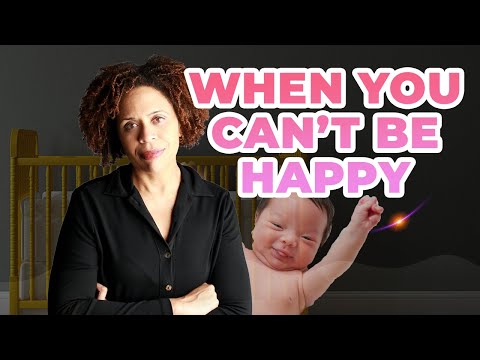
You just had a baby! It’s a big deal, right? Exciting, overwhelming, and honestly, a bit crazy.
But let’s talk about something that often gets brushed under the rug—postpartum mental health. It’s not just about the baby sleeping through the night or figuring out diaper changes.
Sometimes, new moms go through stuff that’s really tough to handle. Like, one minute you’re over the moon and the next you feel like you’re in this dark cloud.
That’s where we need to pay attention. Some symptoms can be more than just typical postpartum feelings. You follow me?
So, let’s dive into what to keep an eye on because looking after your mental health is as important as caring for your little one!
Effective Strategies for Treating Postpartum Psychosis: A Comprehensive Guide
Postpartum psychosis is a serious condition that can hit new moms unexpectedly. It’s kind of like being caught in a storm when all you wanted was to enjoy the sunshine of parenthood. The symptoms can surface suddenly, usually within the first few weeks after giving birth. You might feel overwhelmed, confused, or even paranoid. Seriously, it’s a lot to handle.
Firstly, let’s talk about recognizing the signs. If you notice things like hallucinations, extreme mood swings, or irrational thoughts, it’s crucial to seek help immediately. Noticing these symptoms in yourself or a loved one can be incredibly scary, but remember—you’re not alone in this.
One effective strategy for treating postpartum psychosis involves medication. Antipsychotic medications are often prescribed to manage symptoms. These meds help stabilize your mood and improve your overall functioning. But here’s the thing: it’s really important to work closely with a healthcare provider to find the right medication and dosage for you.
Another key component is therapy. Cognitive Behavioral Therapy (CBT) could be beneficial. This approach helps you identify and change negative thought patterns that might be contributing to your distress. Imagine sitting down with someone who gets it—someone who can offer support while helping you make sense of what you’re feeling.
And then there’s the whole aspect of support systems. Surrounding yourself with understanding friends and family can make a world of difference. Having someone there who listens without judgment is so important when you’re feeling isolated or frightened by what you’re experiencing.
Don’t forget about rest and self-care; I know it sounds cliché, but seriously—trying to catch even tiny bits of rest can be helpful. Exhaustion makes everything feel ten times worse! Even if it’s just five minutes here and there—breathe deeply or sip some tea quietly.
Lastly, if things get tough—which they sometimes do—don’t hesitate to reach out for emergency help. Text lines and hotlines are available 24/7 for those moments when you’re feeling overwhelmed and need immediate support.
It may feel daunting now, but postpartum psychosis is treatable! With proper care and support from professionals and loved ones alike, you can navigate through this storm toward calmer seas ahead. Remember: recovering takes time; so be gentle with yourself along the way!
Identifying the Red Flags of Postpartum Mental Health: A Comprehensive Guide
Postpartum mental health is a really important topic that, unfortunately, gets overlooked way too often. After giving birth, many new parents experience a whirlwind of emotions and changes. While some of it is completely normal, there are definitely red flags that flag down attention. Let’s go over what to look for.
First off, feeling a bit overwhelmed or anxious is common. But if those feelings turn into constant worry or panic attacks, that’s not so cool anymore. You might find yourself worrying about the baby’s health or your ability to care for them, like you’re stuck on repeat with those thoughts.
Another big one is mood swings. Sure, hormones are all over the place after delivery—trust me, I get it! But if you’re swinging from joyful moments to deep sadness without much in between, it could be more than just the baby blues.
- Excessive crying: If you find yourself crying a lot—like more than usual—and can’t pinpoint why or feel like you can’t stop.
- Social withdrawal: If you’re pulling away from family and friends who want to help and connect with you.
- Changes in sleep and appetite: Either sleeping too much or not at all can signal something deeper. Same goes for eating—you might feel like munching everything in sight or having zero appetite.
Let’s talk about irritability and anger too. It can be super frustrating dealing with sleep deprivation while trying to care for a tiny human! But if you feel angry at nothing in particular—or even lashing out at loved ones—that’s worth paying attention to.
Here comes a really important one: thoughts of harming yourself or the baby. It sounds scary because it is scary! If these thoughts creep in—no matter how fleeting—it’s important to reach out for help immediately.
And here’s something that might hit close to home: lack of bonding with your baby. A lot of new parents expect this burst of love right away, but if you feel detached or indifferent toward your little one? That’s a serious red flag.
Now let’s shift gears for a sec—many people think «postpartum depression» (PPD) is just what happens after childbirth, but it’s actually part of a bigger picture called postpartum mental health issues which includes anxiety disorders too! So don’t box yourself into just thinking about PPD; look out for anything that feels off.
If any of this resonates with you (or someone you know), please don’t hesitate to talk to someone who can help—a healthcare professional, therapist, or even someone who’s been through similar stuff. You deserve support during this challenging time!
Being aware of these signs isn’t just helpful; it can literally change lives. Reaching out doesn’t mean you’re weak; it shows strength and courage. Remember: asking for help is totally okay—you’re not alone in this journey at all!
Understanding Postpartum Depression: Key Symptoms to Recognize and Address
Postpartum depression (PPD) can feel like a storm cloud hovering over new parents. You might think, “Why am I feeling this way after such a joyful moment?” It’s super common, yet often misunderstood. The thing is, it’s not just about feeling sad—it runs deeper than that.
After giving birth, your body goes through massive changes, both physically and mentally. Hormones are all over the place. Seriously, they drop and rise like a roller coaster! This can lead to feelings of anxiety, sadness, and even irritability. So, what should you look out for?
- Intense Sadness or Hopelessness: It’s normal to feel a bit overwhelmed after bringing home baby. But if those feelings stick around and become unbearable, that’s a red flag.
- Detachment from the Baby: Many new parents experience this weird feeling of not bonding with their newborn. It’s like you’re watching things happen from behind a glass wall.
- Changes in Appetite: You might find yourself either munching on everything or not able to touch your favorite meals at all. Both extremes can be signs of PPD.
- Sleep Issues: We all know new parents don’t get much sleep anyway! But if you’re feeling exhausted regardless of how much sleep you get or struggling to fall asleep when you have the chance—watch out!
- Anxiety or Panic Attacks: Feeling anxious is pretty common with new parents. However, if those feelings escalate into panic attacks where your heart races and you feel like you can’t breathe? That’s serious.
- Irritability or Anger: Snapping at your partner over small things? Frustration bubbling up outta nowhere? That can definitely be part of PPD as well.
- Thoughts of Self-Harm: If you’re ever having thoughts about harming yourself or feeling like you’d rather not be here at all—please reach out for help immediately. This isn’t something to brush off.
It can be hard talking about these feelings—especially when everyone expects you to be glowing with happiness after having a baby. I mean, just imagine this: Sara had her first child and felt so numb she couldn’t even muster joy when her baby smiled at her. She never thought this could happen to her but realized she needed help when those feelings just wouldn’t go away.
Reaching out for support is crucial! You don’t have to face it alone—you seriously deserve help if you’re going through this. Talking to friends, family members who get it, or professionals can really make a difference.
Recognizing these symptoms early is key in managing postpartum depression effectively. You can reclaim those joyful moments with your new little one! Remember, it’s okay not to feel okay sometimes—but addressing what you’re going through makes everything better in the long run.
So, let’s chat about postpartum mental health, yeah? It’s such a critical topic, and honestly, so many new moms go through stuff that they might not even realize is something to pay attention to. You know the drill: you’ve just had a baby, and it’s supposed to be this magical time. But for many, it can feel overwhelming.
Picture this: Sarah just had her little one a few weeks ago. On the outside, she looks like any new mom—smiling for photos and posting about the joys of motherhood. But inside? She feels like she’s drowning in anxiety and sadness. It can be super common but really easy to miss because everyone thinks you’re just adjusting to being a parent, right?
One thing that often flies under the radar is postpartum depression (PPD). It’s not just feeling a bit blue; it can hit hard. If you’re feeling constant sadness or hopelessness that doesn’t seem to lift after a few days or weeks—that’s worth talking about! Other signs might include having trouble bonding with your baby or feeling excessive guilt over tiny things.
And let’s not overlook anxiety disorders! Many moms experience intense worry about their baby’s health or their own ability to care for them. You might catch yourself thinking thoughts like “What if I drop them?” or “Am I doing this all wrong?” when you’re trying your best!
In some cases, new moms also deal with something called obsessive-compulsive disorder (OCD), which isn’t just about being tidy. It could mean you have intrusive thoughts that spiral out of control. Imagine being too scared to let anyone else hold your baby because you keep picturing worst-case scenarios in your head. And that can feel isolating!
There’s also postpartum psychosis, though it’s rare—it involves losing touch with reality in a pretty serious way. It might show up as extreme mood swings or paranoia—definitely something urgent if it pops up!
What blows my mind is how many women suffer silently because they think they should be strong and happy all the time. Remember Sarah? Well, after some tough days of fighting herself internally, she finally talked about her feelings with someone she trusted—a friend who also went through similar issues—and it was life-changing.
So look: if you or someone you love just had a baby and seems off—don’t brush those feelings aside! Talking openly about what you’re experiencing is super important. Reaching out doesn’t mean you’re weak; it actually shows immense strength and self-awareness.
Taking care of mental health after having a baby is just as crucial as caring for your little one—it matters more than anything else right now!