Hey! So, have you ever wondered how we measure verbal skills? Like, what even counts as a strong vocabulary or effective communication?
That’s where the PPVT comes in. It’s a tool used in psychology to assess just that—how well someone understands and uses language.
Imagine you’re having a deep chat with your friend and you notice they totally nail complex words. Or maybe they struggle to find the right ones? That’s what the PPVT aims to uncover, helping shed light on verbal skills and growth.
It’s not just about tests; it’s about real-life impacts. Let’s dig into this a bit!
Understanding the PPVT Assessment: Key Insights into Vocabulary and Cognitive Skills Measurement
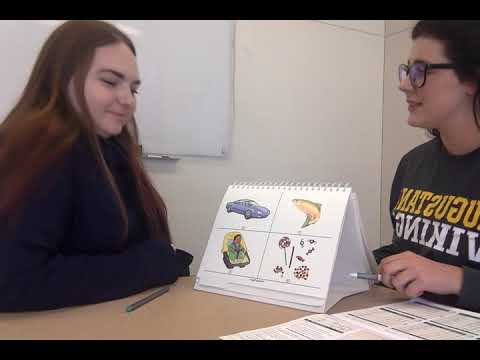
The Peabody Picture Vocabulary Test (PPVT) is like a snapshot of someone’s verbal skills. This assessment measures how well you understand and use words. It’s not just for kids, though; it’s also used with adults! The beauty of the PPVT is in its simplicity. You look at pictures and then hear a word. Your job? Pick the right picture that matches the word you heard. If you think about it, it’s sort of like a game, which makes learning feel less intimidating.
Why do we even care about vocabulary? Well, vocabulary is super important for communication and understanding. If you can express yourself clearly, you’re more likely to connect with others and succeed academically or professionally.
When you’re taking the PPVT, what happens is that your score indicates your **vocabulary level** relative to your age group. A higher score means you’re doing great in verbal skills! But if your score is lower than expected, it could signal possible challenges in language development or cognitive skills.
So, how does this relate to cognitive skills? This test gives insight into how people think and process information verbally. It’s intriguing because language isn’t just about talking; it’s about understanding ideas too! Think about when someone uses a fancy word you don’t know. You might feel lost not just for that moment but even in following their thoughts.
Here are some key points to remember:
- The PPVT has various levels suited for different ages.
- It helps identify strengths and weaknesses in language comprehension.
- The results can guide educators and therapists on what support a person might need.
Let’s say a child scores below average on the PPVT. This info can prompt teachers to use specific strategies to boost their vocabulary skills—like incorporating more reading time or using interactive games focused on new words.
You even see the PPVT used in clinical settings! For example, if someone has had a stroke affecting their speech, this assessment can help determine where they stand with their vocabulary post-recovery.
In short, the PPVT isn’t just an academic tool; it’s pretty essential for anyone looking to really get into someone’s verbal skills journey. Plus, understanding these insights helps pave the way for effective interventions and support as needed!
Understanding the Purpose of the PPVT-4: Key Insights into Vocabulary Assessment
The PPVT-4, or the Peabody Picture Vocabulary Test, Fourth Edition, serves a really important role in assessing verbal skills. It’s all about measuring how well someone understands vocabulary. But let’s break it down a bit.
Why is vocabulary assessment important? Well, vocabulary is a fundamental part of communication and learning. If you can’t understand or use words well, it can affect everything from academics to social interactions. And that’s where the PPVT-4 comes in.
So, how does the PPVT-4 actually work? It’s designed for people aged 2 years and older. The test includes a series of pictures and you’re asked to select the one that corresponds to a word that’s read aloud. This format makes it accessible and pretty straightforward.
What are some key insights into this test? Here are a few points to consider:
Now imagine this: you’re working with a child who struggles with expressing themselves in class. They might get frustrated or shy away from participating altogether, right? Administering the PPVT-4 could uncover gaps in their vocabulary comprehension—giving insight into why they might be facing challenges in their communication.
Another interesting point is how the PPVT-4 can track growth over time. If you take the test at different stages, you can see improvements (or lack thereof) in vocabulary development. That’s super useful for teachers and therapists alike because they need data to understand if an approach is working.
In short, while there are different assessments out there for measuring language skills, the PPVT-4 stands out because of its unique approach to vocabulary measurement without requiring participants to produce language themselves. It sheds light on understanding how individuals process words—making it easier for professionals to support them along their journey!
Understanding the Standard Score for the PPVT: A Key to Assessing Vocabulary Development
Understanding the standard score for the PPVT (Peabody Picture Vocabulary Test) is super important, especially when you’re diving into assessing vocabulary development. Let’s break it down a bit, okay?
The PPVT is designed to measure your verbal skills by asking you to identify pictures that correspond to specific words. So, if you see a picture of a dog and hear “dog,” you’d point to that, right? This test can show how well someone understands and recognizes words.
Now, the **standard score** plays a crucial role here. It’s how we interpret the results of the test. The average score is set at 100, with most people scoring between 85 and 115. But what does this mean for you personally?
Here’s why it matters:
- A standard score gives insight into vocabulary growth over time.
- It helps identify strengths or areas where someone might need support.
- The scores can guide educational strategies tailored to individual needs.
Imagine you’re a kid taking this test. If your score is below 85, it might indicate that your vocabulary development isn’t on par with peers. But hey, it doesn’t mean anything permanent! It just shows there’s room for growth.
Suppose one day someone comes in with a standard score of 92 after taking the PPVT at age six. A little while later, they take it again at age eight and score 105! That change shows progress in their vocabulary development. Seriously exciting stuff!
But there’s more—context matters! The standard scores also let evaluators understand how someone performed compared to others their age or background so they can know what’s typical versus what might be cause for concern.
Also keep in mind that various factors can influence these scores—like exposure to language at home or special learning needs. So if you’re looking at a standard score of maybe 114, it shouldn’t just be about numbers—it should tell a story about growth.
In sum, the standard score on the PPVT isn’t just another number—it reflects where you’re at on your vocabulary journey and helps map out where you’re headed next. Whether you’re an educator or a concerned parent, understanding these scores makes all the difference in tailoring support and encouraging learning along the way!
Okay, so let’s talk about the Peabody Picture Vocabulary Test (PPVT). Now, if you haven’t heard of it, don’t sweat it. Basically, this test is all about assessing how well someone understands words, which is super important for communication and learning. It’s like a little peek into someone’s verbal skills.
I remember when I first encountered the PPVT while volunteering at a local school. There was this kid named Sam—bright-eyed and always curious. But when it came to speaking up or expressing himself, he often stumbled over his words. So, we decided to do the PPVT with him. The way it works is simple: the tester shows pictures and asks the person to point out what they think the word means. It’s kind of fun! And honestly, I was amazed at how much Sam lit up when he got a word right. You could see his confidence grow right before our eyes.
What’s interesting here is that the PPVT doesn’t just measure vocabulary; it also gives clues about cognitive development and educational growth. If a kid isn’t doing as well as hoped on this test, it might signal areas where they need extra support—maybe in language skills or possibly even in broader learning challenges. It paints a picture of where they’re at, you know?
And let’s face it, verbal skills play such a huge role in life. Whether you’re chatting with friends or presenting an idea in class, being able to communicate clearly makes all the difference. So when we see results from tests like these, it helps teachers and parents understand how best to help kids along their journey.
But hey, there’s also something deeper here: tests can feel kind of limiting sometimes. Sam was more than just his score on that day; he had creativity and thoughts bursting to get out! The numbers can give guidance but shouldn’t define anyone completely.
There’s definitely value in assessments like the PPVT—they help gauge growth and identify needs—but let’s remember that everyone has their unique ways of expressing themselves beyond those pictures and words!