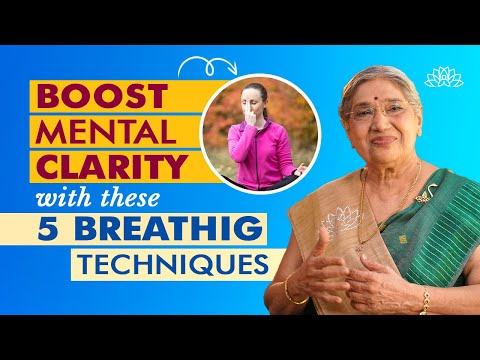
Hey there! So, let’s talk about something pretty cool—breathing. I know, right? It sounds super simple, but it’s actually a big deal for your mental health.
You might think you’re doing fine just breathing in and out, but there’s this technique called pranayama. Ever heard of it? It’s like unleashing the power of your breath. Seriously!
Imagine feeling less anxious or more centered just by changing how you breathe. Sounds amazing, huh? Well, that’s exactly what pranayama can offer.
Stick around. We’re gonna explore how this ancient practice can seriously boost your wellbeing. You won’t want to miss it!
Discover the Best Pranayama Techniques for Boosting Mental Health
Pranayama is all about controlled breathing, and, honestly, it’s a game changer for mental health. It’s a core part of yoga that focuses on the breath, helping you get more in tune with yourself while calming the mind. Let’s break down some techniques and why they can really give your mental well-being a nice boost.
1. Nadi Shodhana (Alternate Nostril Breathing)
This technique is like a little reset button for your nervous system. You alternate breathing through one nostril and then the other. The thing is, this helps balance both sides of your brain, which can ease anxiety and promote relaxation. Imagine feeling overwhelmed, maybe after a tough day at work; just taking five minutes to do this can make everything seem less heavy.
2. Ujjayi (Victorious Breath)
Ever heard of this? It involves slightly constricting the throat while you breathe deeply through your nose. It creates an ocean-like sound during inhalation and exhalation. People often use it during yoga but it’s also great for calming racing thoughts or stress. Like, if you’re in a tough spot emotionally or mentally, just focusing on this steady rhythm can ground you.
3. Kapalabhati (Skull Shining Breath)
Okay, this one’s a bit more energetic! You take quick inhales and forceful exhales from your belly (think of it like puffing air out). This can invigorate you while also clearing out stale energy or emotions—kind of like giving yourself an emotional refresh button! If you’re ever feeling sluggish or moody, a few rounds of this might really lift your spirits.
4. Bhramari (Bee Breath)
Now here’s where it gets fun! You inhale deeply and hum like a bee as you exhale. Seriously! This soothing vibration can help ease feelings of anger or frustration—a real lifesaver when life feels chaotic. Picture being stuck in traffic; humming along with your breath could be just what you need to chill out!
5. Sitali (Cooling Breath)
This one’s especially refreshing when you’re feeling overheated—mentally or physically! You curl your tongue (if that’s possible for you) and inhale through your mouth before exhaling through your nose. It cools down both body and mind, making it perfect during stressful situations or even on hot days.
So yeah, these pranayama techniques are not just fancy yoga moves; they’re practical ways to boost mental health too! You don’t need to be an expert; even spending five minutes playing around with these techniques can lead to noticeable changes in how you feel.
Putting everything aside—from work stressors to personal issues—you have tools right at your fingertips that let you take control of how you’re feeling anytime you need it! Why not give it a try? Remember that every breath counts!
Discover the Pranayama Techniques That Purify the 72,000 Nadis for Enhanced Mental Well-Being
Pranayama is, like, this ancient practice rooted in yoga that focuses on breathing techniques. The idea behind it is to control your breath to improve mental clarity and emotional stability. You know, kind of like hitting a refresh button for your mind.
The term «pranayama» breaks down into two parts: «prana,» which means life force or energy, and «ayama,» meaning expansion or control. So, when you’re practicing pranayama, you’re basically trying to harness and regulate that energy flowing through your body.
Now, you might hear about **72,000 nadis** in this context. Think of nadis as channels that carry energy throughout your body. Each nadi connects to different emotional states and physical functions. It’s believed that **purifying these nadis** can lead to better mental health and enhanced overall well-being. If those channels are blocked or dirty—so to speak—you might feel anxious, stressed out, or just not quite yourself.
So how do you purify these nadis? Well, that’s where the various **pranayama techniques** come into play:
- Ujjayi Breathing: This one involves breathing deeply while constricting your throat slightly to create an ocean-like sound. It helps calm the nervous system.
- Nadi Shodhana: Also known as alternate nostril breathing, this technique balances the right and left sides of your brain and promotes relaxation.
- Kapalabhati: With this one, you’re doing short bursts of forceful exhalation followed by passive inhalation. It’s energizing but can also clear mental fog.
- Bhramari: This “bee breath” involves making a humming sound while exhaling; it creates vibrations that soothe the mind.
Each technique has its own unique benefits but they all aim at achieving a sense of balance in your life.
Now let me tell you a little story: One time I was feeling super overwhelmed with work and life stuff—seriously just drowning in stress. A friend suggested I try some pranayama techniques. Skeptical at first (like who would’ve thought breath could really help?), I gave it a shot anyway. After just a few minutes of alternate nostril breathing (Nadi Shodhana), I felt like a fog had lifted; my head was clearer and my shoulders less tense!
So if you’re feeling off-balance or just want to boost your mental well-being, give pranayama a try! It might just help clarify those 72,000 nadis—and help you feel more centered in no time!
Unlocking Mental Clarity: The Best Pranayama Techniques for Brain Health
Pranayama, you know, is an ancient practice from yoga that focuses on breath control. It’s all about using your breath to help calm your mind and boost brain health. Seriously, just by learning how to breathe properly, you can find a little more peace amidst the chaos of life.
When you engage in pranayama, it’s like giving your brain a nice little massage. Increased oxygen flow helps improve concentration and clarity. You might find yourself thinking more clearly after just a few minutes. Sounds good, right?
Here are some popular pranayama techniques that can help:
- Nadi Shodhana (Alternate Nostril Breathing): This technique promotes balance in the body and mind. You alternate breathing through each nostril, which can help clear out mental clutter. A personal story? I once tried this before a big presentation and felt much calmer and focused.
- Ujjayi (Victorious Breath): Also known as ocean breath, this involves slightly constricting the throat while inhaling and exhaling. The sound is calming—like waves crashing on the shore! It helps you center your thoughts.
- Bhramari (Bee Breath): In this one, you make a humming sound while exhaling. It’s kind of funny at first, but it actually calms your nervous system and reduces anxiety—trust me on that.
- Kapalabhati (Skull Shining Breath): This technique uses short bursts of exhalation followed by passive inhalation. It’s energetic! Many people report feeling more alert after doing it for just a few minutes.
Integrating these techniques into your routine can seriously enhance **mental clarity** over time. Just set aside 5 or 10 minutes daily to practice; you’ll be amazed at how quickly you notice changes in focus.
But hey, it’s not all unicorns and rainbows—sometimes pranayama can feel challenging or even overwhelming at first, especially if you’re in a busy headspace. That’s totally normal! Just give yourself grace as you learn.
Engaging with these practices regularly might not only benefit **your mood**, but they could also reduce stress levels significantly over time. Think of them as workouts for your lungs and brain!
If you’re curious about starting this journey but feel uncertain about where to begin, consider joining a local yoga class or checking out videos online until you’re comfortable practicing alone.
To wrap it up (not that we’re putting any pressure on ourselves), when done consistently, pranayama can be a powerful way to unlock those mental doors hiding clarity and peace inside you. So why not take a few deep breaths today?
You know, when life gets a little overwhelming, we often overlook the simple things that can really help us feel better. Pranayama breathing is one of those gems. I remember this one time I was feeling super stressed out about work and everything else going on in my life. A friend suggested I try some breathing exercises. At first, I was a bit skeptical, thinking, «How could breathing help?» But wow, it turned out to be a game changer.
Pranayama is an ancient practice from yoga that focuses on controlling your breath. It’s not just about inhaling and exhaling; it’s about finding a rhythm that calms your mind and lifts your spirit. When you start paying attention to your breath, you realize how much power it has. You start to feel grounded, like you’re reconnecting with yourself in a way that’s often lost in all the chaos.
The beauty of pranayama is that it’s accessible. You don’t need any fancy equipment or a special place—just you and your breath. There’s something incredibly soothing about slowing down and being intentional with how you breathe. It’s kind of like hitting the reset button for your mind.
I’ve noticed that when I practice pranayama regularly—like even just for five or ten minutes—I feel more balanced throughout the day. Anxiety doesn’t creep in quite as much because I’ve learned to manage my thoughts better through my breath. It’s like having this little tool in my back pocket whenever things get tough.
Plus, there’s science backing this up! Studies have shown that controlled breathing can lower stress levels, reduce anxiety, and even improve focus. So while some might roll their eyes at “breathing exercises,” it’s hard to argue with what research shows.
But yeah, the takeaway here? Don’t underestimate the power of breathing deeply and mindfully. It can seriously make a difference in how you handle stress and improve your overall wellbeing—sometimes all we need is to slow down a bit and reconnect with ourselves through something as simple as our breath. Give it a shot; who knows what might change?