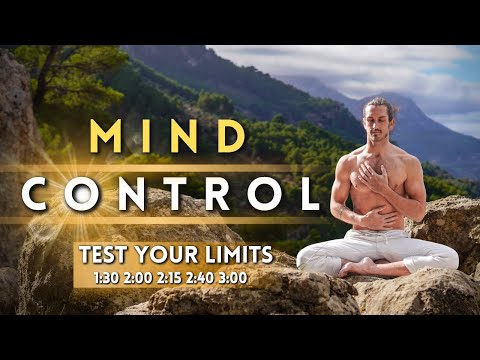
Hey! You know those moments when your mind feels like a blender on high speed? Yeah, we’ve all been there. Stress, anxiety, or just the chaos of daily life can really get to us.
But what if I told you there’s a simple way to hit the pause button? That’s where pranayama comes in. It’s a fancy word for breathing techniques that can seriously help you chill out and build mental strength.
Imagine feeling more centered and calm, even when everything around you is swirling. Pretty cool, right? So let’s chat about how these techniques can help you find your zen amidst the chaos. You ready?
Top Pranayama Techniques for Instant Mind Calmness: Find Your Perfect Breath
Pranayama, which is a fancy word for breath control in yoga, can really help calm your mind. It’s like giving your brain a mini vacation. You know how sometimes when you’re stressed out, just taking a deep breath can make a difference? Well, that’s what Pranayama is all about but with a bit more structure.
One technique that’s super popular is **Nadi Shodhana**, or alternate nostril breathing. It’s pretty simple: you close one nostril and breathe in through the other, then switch. Imagine this as flushing out the chaos in your mind. When I first tried it on a particularly hectic day, I felt an immediate shift in my mood. I mean, literally within minutes! It calmed my racing thoughts and helped me refocus.
Another great technique is **Ujjayi breathing**, which is often described as ocean breath because of the sound it makes. You slightly constrict your throat while breathing in and out through the nose. The key here isn’t just the sound but also how it brings attention to your breath, grounding you in the present moment. Picture yourself at the beach—how calming would that be? Seriously refreshing!
Then there’s **Kapalabhati**, or skull shining breath. This one involves short bursts of exhalation followed by passive inhalation. It sounds intense but stick with me: it helps clear away mental fog and energizes you at the same time! Think of it like pressing reset on your brain when you’re feeling stuck or overwhelmed.
Finally, let’s not forget **Bhramari**, or bee breath. You close your ears with your thumbs, take a deep breath in, then hum as you exhale—creating this soothing buzzing sound that feels almost magical. When I did this after an argument with a friend, it felt like all that tension just melted away.
- Nadi Shodhana: Alternate nostril breathing.
- Ujjayi: Ocean-like sound when breathing.
- Kapalabhati: Quick bursts of breaths for mental clarity.
- Bhramari: Hum like a bee; it’s surprisingly relaxing.
These techniques aren’t just about relaxation though; they help build what you might call mental resilience over time. Think of them as tools to handle life’s ups and downs better—like practicing for emotional strength workouts!
So next time you’re feeling scattered or anxious—even if it’s just for five minutes—give these Pranayama techniques a whirl! You might find that finding your perfect breath becomes part of your go-to toolkit for instant calmness.
Mastering the 3/7 Breathing Technique: A Simple Method to Alleviate Anxiety
So, let’s chat about the 3/7 breathing technique. It’s this neat little method that can really help when you’re feeling anxious. You know that tight feeling in your chest? Yeah, we’ve all been there. This technique is kind of like a reset button for your mind and body.
Here’s how it works: you breathe in for three counts, hold your breath for seven counts, and then exhale slowly for out to eight counts. Sounds simple, right? But there’s real magic in the sequence.
Step 1: Inhale
To start, take a deep breath in through your nose for three seconds. Focus on filling your lungs completely—this isn’t just about breathing; it’s about connecting with your body. You might feel a little tension at first, and that’s okay!
Step 2: Hold
Now comes the holding part—keep that air in for seven seconds. It might feel awkward at first; don’t stress! Just remember that you’re giving your body some time to absorb all that good oxygen.
Step 3: Exhale
Finally, exhale slowly through your mouth like you’re blowing out birthday candles. Do this for eight seconds. It makes a difference! As you blow out, try to release any tension or worries you’ve got bouncing around in your mind.
You can repeat this cycle as many times as you want—seriously! Even just doing it two or three times can lighten the load you’re carrying.
Now here are some key points to remember:
- A small commitment: You only need a few minutes.
- No fancy setup: You can do this anywhere and anytime—like when you’re stuck in traffic or waiting for an appointment.
- A mood booster: Regularly practicing can actually help lower anxiety levels over time.
- Cognitive anchor: If things get overwhelming, coming back to this breathing can help ground you.
I had this buddy who used to freak out before big presentations at work. The night before we tried out the 3/7 technique together—it was hilarious but also really real because he was pacing back and forth! We grabbed our coffee and sat down. After just a few rounds of breathing, he was genuinely calmer—not perfect but definitely more relaxed.
This technique is connected to larger practices like Pranayama from yoga traditions which focus on harnessing life force through controlled breath. It’s pretty amazing how something so simple can have such deep roots!
If you’re feeling overwhelmed or just need a breather from life craziness, give the 3/7 method a shot! It’s easy peasy and could be just what you need to reclaim some calmness in those hectic moments.
Top Pranayama Techniques to Boost Your Mental Health and Well-Being
Pranayama is more than just fancy breathing; it’s like giving your mental health a refreshing sip of water. Seriously, the way you breathe can seriously affect how you feel. Let’s get into some helpful techniques that can boost your mental resilience and calm.
1. Ujjayi Breathing
This technique is often called «victorious breath.» You breathe in deeply through your nose, then exhale through your mouth with a slight constriction at the back of your throat. It’s like you’re creating ocean waves in your breath! This rhythmic sound can help center your mind, making it perfect for meditation or when you feel overwhelmed.
2. Nadi Shodhana (Alternate Nostril Breathing)
This one’s pretty cool. You close one nostril and inhale, then switch and exhale through the other side. It balances the body’s energy channels, helping calm racing thoughts and anxiety. It’s like giving each side of your brain a little time to breathe! Doing this for just a few minutes can make you feel more grounded.
3. Kapalabhati (Skull Shining Breath)
Alright, this one’s got some kick to it! You take a deep breath and then forcefully exhale while pulling your belly inwards. Imagine blowing out birthday candles but with way more intention! This technique energizes you and clears mental fog. It’s like hitting refresh on a tired brain; perfect when you’re feeling sluggish or unmotivated.
4. Bhramari (Bee Breath)
You know that humming sound bees make? That’s exactly what you’ll be doing here! Inhale deeply through your nose and hum as you exhale, covering your ears if possible to amplify the vibration. This is super relaxing and helps relieve stress—kind of like having nature’s soothing soundtrack in your head.
5. Dirgha Pranayama (Three-Part Breath)
Here you fill up with air in three parts—first into your belly, then rib cage, and finally up to the collarbone before letting it all out slowly. This technique teaches you how to fully engage with each breath, bringing awareness to how you feel physically and emotionally. It’s really nice for checking in with yourself during stressful moments.
Trying these techniques regularly can be like creating a personal toolkit for life’s ups and downs. Remember: your breath has power. Just taking a few minutes each day to practice pranayama can lift heavy feelings off your shoulders and give you more clarity when life gets hectic.
So give it a shot! See which technique resonates most with you—because everyone has their own vibe when it comes to breathing—and enjoy those moments of calm amidst everyday chaos!
You know, I was sitting in my living room the other day, feeling all sorts of overwhelmed. Work was piling up, and I just couldn’t shake off that anxious feeling lurking in the back of my mind. That’s when I remembered a friend had mentioned pranayama breathing techniques. Honestly, I thought it was just some fancy yoga stuff at first. But hey, why not give it a shot?
Pranayama is a term from yoga that means “extension of breath.” Sounds cool, right? It’s basically about controlling your breath to create balance and calm in your life. When I started practicing it—just simple techniques like deep inhaling and exhaling—I was surprised at how quickly it helped me ground myself.
There’s something incredibly powerful about focusing on your breath. You start paying attention to each inhale and exhale, which kinda pulls you away from that mental chaos swirling around in your head. It’s like hitting the pause button on anxiety or stress for a moment. And honestly? It made me feel lighter.
I remember one morning specifically; I woke up feeling heavy with dread about the day ahead. Instead of letting the worry take over, I sat cross-legged on my bedroom floor and tried a few pranayama techniques. First, I took a deep breath through my nose for four counts, held it for four counts, then slowly breathed out for six counts like my friend taught me. Doing this just for a few minutes felt as if I were literally blowing away those dark clouds hanging over me.
It’s not some magical fix—like maybe if you had an instant remedy to stress—but it definitely helps build mental resilience over time. When you regularly practice pranayama breathing, you’re training your brain to respond differently when things get tough or anxiety creeps back in.
So yeah, if you’ve been feeling stressed or overwhelmed lately—or even just need a little boost—why not give pranayama a try? You don’t have to be a yoga expert or anything! Just finding those few minutes to breathe deeply can seriously make all the difference in creating calm amidst chaos. It feels good knowing there’s something so simple yet effective available at any time when you need it!