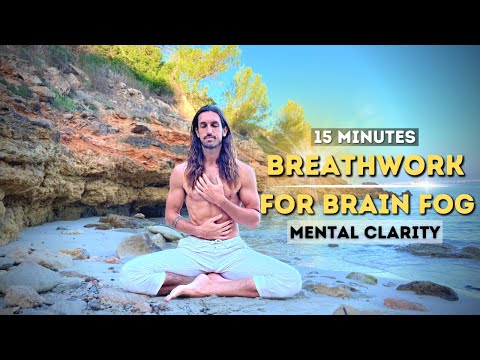
Hey, you! So, have you ever felt like your mind is just racing like a hamster on a wheel? Seriously, it can be super overwhelming sometimes.
That’s where pranayama breathwork comes in, and it’s honestly pretty amazing. I mean, think about it: just a few deep breaths can totally shift your mood and help clear out those mental cobwebs.
It’s not just some hippie-dippie stuff either—there’s real science behind it! This practice is all about harnessing your breath to find that sweet spot of mental clarity and emotional balance.
So let’s chat about how this ancient technique can fit into your everyday life. You know, no pressure but maybe you’ll find something that really clicks for you!
Unlocking Mental Clarity: The Best Pranayama Techniques for a Focused Mind
Let’s talk about **pranayama**, which is a fancy word for breath control used in yoga. You probably don’t think about your breathing every day, right? But guess what? The way you breathe can totally affect your mind and emotions. Seriously! If you want more mental clarity and emotional balance, diving into some pranayama techniques might just do the trick.
First up is **Nadi Shodhana**, also known as alternate nostril breathing. It’s a great way to calm your mind and balance your energy. Here’s how you do it: you close one nostril with your thumb, inhale deeply through the other nostril, close it off with your ring finger, and exhale through the first nostril. Switch sides and repeat. It sounds simple, but it can really help clear out that mental clutter.
Another technique is **Kapalabhati**, or skull shining breath. This one’s all about short, forceful exhales followed by passive inhales. Basically, you take a deep breath in, then exhale sharply while drawing your belly in—like you’re trying to push out a stubborn sneeze or something! It’s energizing and helps with focus too.
You know what else is super helpful? **Ujjayi breathing**. With this style, you breathe deeply through your nose while slightly constricting the back of your throat—kind of like making a soft ocean sound when you exhale. It helps ground you and can make meditation feel more profound because you’re tuning into those little sounds of your breath.
Employing these techniques regularly can lead to greater mental clarity over time. Ever notice how when you’re stressed or anxious, it feels like there’s just static buzzing around in your head? After practicing pranayama consistently, that buzzing quiets down.
Some people find that they can handle their emotions better too! Like my buddy Jake—he struggled with anxiety before he started practicing Nadi Shodhana every morning. He says it feels like hitting refresh on his brain each time he does it; his thoughts become clearer and more manageable throughout the day.
So if you’re looking for tools to boost focus or regain emotional balance during chaotic times (and who isn’t?), giving pranayama a shot could be worthwhile. Just remember to take it slow at first—you don’t have to be a yogi master right away!
To wrap it all up, incorporating these pranayama techniques into daily life may help bring some much-needed clarity and calmness into our often chaotic minds:
- Nadi Shodhana: Alternate nostril breathing for balancing energy.
- Kapalabhati: Energizing breaths that clear mental fog.
- Ujjayi: Deep breaths to help anchor yourself.
In short: breathe better, feel better!
Exploring the Benefits of Pranayama for Emotional Balance and Mental Well-Being
Pranayama is a practice that involves controlling your breath to help achieve a better state of mind and emotional balance. It’s a big part of yoga and has some pretty amazing roots in ancient Indian philosophy. But don’t worry, you don’t have to be a yoga expert to give it a shot.
First off, when you focus on your breath, what you’re doing is tapping into something called breath awareness. This simply means being mindful of how you breathe. When you take the time to really notice your breath, it can help quiet down the busyness in your head. You know those moments when everything feels like too much? Just focusing on your breath can bring some relief.
Now, let’s talk about how pranayama can actually help with emotional balance. By regulating your breath, you’re sending signals to your brain that everything is okay. It activates the parasympathetic nervous system, which is like hitting the chill button for your body. This helps reduce feelings of anxiety and stress. Imagine you’re feeling all wound up about work or life stuff—taking a few minutes for some focused breathing could really make a difference.
There are different types of pranayama techniques out there, which can be super helpful depending on what you need at the moment.
- Ujjayi Breath: Sometimes called ocean breath because it sounds like waves crashing. This technique encourages deep breathing through the nose while slightly constricting the throat.
- Nadi Shodhana: Known as alternate nostril breathing. It helps balance both sides of your brain and promotes calmness.
- Kapalabhati: Also known as skull shining breath, this energizing practice involves short bursts of forceful exhalations followed by passive inhalations.
These techniques aren’t one-size-fits-all; try them out and see what clicks for you!
Oh, I remember a friend who was struggling with constant worry about their future—like seriously, they were in overdrive all day long! They decided to give pranayama a whirl after hearing about its benefits from a yoga instructor. At first, they were skeptical but stuck with it anyway. After practicing Ujjayi Breath consistently for just a couple of weeks, they started to feel noticeably calmer during stressful moments. They even said it helped them think more clearly during tough decisions!
And here’s something interesting: studies show that regular pranayama practice can lead to increased levels of compassion and emotional resilience too! That’s because when you’re more aware of your own emotional state through controlled breathing, it becomes easier to empathize with others.
In short? Pranayama isn’t just fancy yoga jargon; it’s literally about taking control—of your breath and emotions—in an easy way that anyone can try at home or anywhere really! You don’t need fancy gear or special equipment—just find a comfy spot, sit down for five minutes (or more if you’re feeling ambitious), and start focusing on how you’re breathing.
So if you’ve been feeling all over the place emotionally or mentally drained lately, why not give pranayama some thought? It might just be what you need for that little boost toward feeling more centered and balanced.
Unlocking Emotions: How Breathwork Can Transform Your Mental Health
Breathwork is one of those things that sounds super simple but can have a profound impact on your mental health. You know how when you’re stressed, your breathing can get all shallow and fast? Well, breathwork aims to change that. It’s like giving your emotions a little tune-up.
One popular style is Pranayama, which is an ancient practice from yoga. It literally means “control of breath.” The thing is, by changing how you breathe, you can shift how you feel emotionally. Kind of wild, right?
So let’s break it down a bit. Here’s what happens when you embrace breathwork:
- Reduces Stress: When you’re feeling overwhelmed, focusing on your breath slows everything down. You sit calmly and take deep breaths. With each inhale and exhale, the tension starts to melt away.
- Promotes Clarity: Ever felt foggy-headed? Breathwork can help clear that up! By giving more oxygen to your brain through specific breathing techniques, you’ll find it easier to think straight.
- Emotional Release: Sometimes we bottle everything up—sadness, anger, joy—you name it! Breathwork helps release these feelings safely. People often describe feeling lighter after a session.
- Increases Mindfulness: Focusing on your breath pushes you into the present moment. You start noticing thoughts and feelings without judgment. It’s like hitting the pause button on that chaos swirling around.
- Paves the Way for Self-Discovery: When you’re fully engaged in your breathwork practice, you’re also tuning into yourself. This connection can reveal insights about what you’re feeling and why.
Let me share a quick story. A friend of mine was dealing with anxiety for years—like really bad anxiety where she couldn’t even step outside sometimes without panic creeping in. She tried therapy and medication but still struggled until someone introduced her to breathwork.
At first, she was skeptical; I mean who wouldn’t be? But after just a few sessions focusing on her breathing—using methods from Pranayama—she noticed a shift. She felt more grounded and less anxious about leaving the house.
It’s not magic or anything; it’s science combined with age-old practice! The act of concentrating on breathing can trigger our body’s relaxation response: heart rate slows down, muscles relax—it’s almost like getting a mini vacation without leaving home!
Now here’s the kicker: while breathwork is powerful, it doesn’t replace therapy or medical treatment if that’s something you need. Think of it like another tool in your emotional toolbox.
Embracing practices like Pranayama might just give your mental health that boost you’ve been looking for! So next time you’re feeling overwhelmed or disconnected from yourself—try taking some deep breaths and see what happens!
Breathwork, huh? It’s kinda cool how something so simple can have such a huge impact on our minds. If you’ve ever been stressed out or just felt a bit foggy, trying some pranayama might be worth it. Seriously, it’s fascinating how controlling your breath can bring about mental clarity and emotional stability.
I remember this one time when I was feeling completely overwhelmed. You know those days when everything seems like it’s piling up? I decided to sit down and just focus on my breathing for a bit. At first, I felt silly—like, was I really going to calm down just by breathing? But after a few minutes, I noticed something different. My thoughts started to clear up. Suddenly, I could think straight instead of spinning in circles.
Pranayama is really about controlling your breath and using it intentionally. There are various techniques—like inhaling deeply through your nose and exhaling slowly through your mouth—or even some more advanced methods that involve holding your breath for a bit. Each method has its own flavor and benefits. It’s almost like having different tools in your emotional toolbox.
When you practice pranayama regularly, you might find that the chaos around you doesn’t feel as heavy anymore. You get better at handling stress because you’re basically training your mind and body to respond differently when challenges pop up. Like, instead of getting swept away in a tide of anxiety, you learn how to float above it all.
Plus, there’s something truly grounding about focusing on the rhythm of your breaths. It brings you back to the present moment—the here and now—making all those swirling thoughts and worries feel further away, even if it’s just for a little while.
So if you’re looking for some clarity or kind of feeling emotionally off balance, give pranayama a shot! You might just end up finding that sweet spot where peace resides—and who wouldn’t want that?