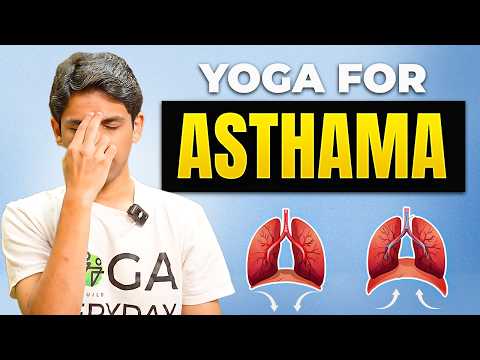
Hey! You ever feel like life is just, I don’t know, a bit too much sometimes? If you’re living with asthma, that can be a real struggle. The thing is, it’s not just the physical side that gets tough; your mental well-being takes a hit too. You’ve probably heard of pranayama, right?
These breathing techniques are not just for yogis in fancy poses. They can actually help you chill out and manage stress—yeah, even when you’re dealing with asthma. It’s like giving your mind and body a little high-five!
So, if you’re curious about how to breathe better and feel better all at once, stick around. Let’s chat about some simple pranayama techniques that could seriously make a difference in your life. Sound good? Cool!
Discover the 7 Effective Types of Pranayama for Enhanced Mental Health and Well-being
Pranayama, or breath control, comes from ancient yoga practices and has gained a fair bit of popularity for its potential benefits on mental health. Seriously, just paying attention to how you breathe can influence your overall vibe—like *a lot*.
When it comes to mental well-being, especially for those dealing with stress or asthma, pranayama offers some pretty effective techniques. Each method has a unique approach to breathing that can help calm your mind and improve focus. Let’s take a closer look at some of these techniques.
1. Ujjayi Breath (Victorious Breath)
This one is all about creating a gentle sound while you breathe in and out through your nose. It helps you engage your diaphragm, promoting relaxation and clarity. You might find that using this technique reduces anxiety and helps keep stress at bay.
2. Nadi Shodhana (Alternate Nostril Breathing)
Imagine balancing out your body’s energy! With nadi shodhana, you alternate between breathing through one nostril and then the other. This rhythmic pattern not only calms your nervous system but can also be super grounding if you’re feeling overwhelmed.
3. Kapalabhati (Skull Shining Breath)
This technique sounds intense, but don’t worry too much! It involves forceful exhalations followed by passive inhalations. Think of it like a little refresh button for your brain—it energizes you and helps clear out stale energy.
4. Bhastrika (Bellows Breath)
If you’re looking for vitality, bhastrika is the way to go! You take deep breaths in followed by quick exhales as if you’re blowing up balloons. This technique can boost circulation and provide an uplifting feeling—which is great when you’re struggling with mood dips.
5. Sitali (Cooling Breath)
Feeling hot under the collar? Sitali is here to chill things out! You create an «O» shape with your mouth and inhale through it while exhaling through your nose. It’s very refreshing and great for calming nerves—perfect during a stressful day!
6. Sitkari (Hissing Breath)
Similar to sitali but with a twist—literally! Here, you breathe in through teeth that are slightly apart while making a hissing sound, then exhale through the nose smoothly. This technique isn’t just cooling; it’s also wonderful for soothing anxiety.
7. Brahmari (Bee Breath)
Imagine sounding like a bee while breathing in deeply—it might feel silly at first but trust me; it works wonders! You hum during the exhale which creates vibrations that calm your mind down significantly.
Now remember: these techniques aren’t one-size-fits-all solutions; they work differently for everyone based on their current emotional states or physical conditions like asthma. Practice them regularly, and you’ll likely see improvements over time both physically and mentally.
Incorporating pranayama into your daily routine could be transformative—not just enhancing mental health but providing tools for effective stress management as well. So why not give it a shot? You’ve got nothing to lose except perhaps some of that built-up tension hanging around!
Unlocking Mental Clarity: A Beginner’s Guide to Pranayama Techniques for Enhanced Well-Being
Pranayama isn’t just some fancy word; it’s basically about controlling your breath. This ancient practice comes from yoga and is all about using your breath to boost your mental clarity and emotional well-being. Think of your breath as a kind of anchor, keeping you grounded when life gets a bit too stormy.
So, what does pranayama really involve? Well, there are various techniques that focus on different aspects of breathing. Each one has its unique benefits. Here are a few you might find interesting:
- Ujjayi Breath: Also known as the ocean breath, this involves breathing in and out through your nose while slightly constricting the throat. It sounds like light ocean waves! This technique can help calm the nervous system and improve mental focus.
- Nadi Shodhana: Or alternate nostril breathing, is all about balancing the right and left sides of your brain. You breathe through one nostril while closing the other with your fingers. This can create a sense of harmony and clarity.
- Kapalabhati: Known as skull-shining breath, this technique is energizing! You breathe out forcefully through your nose while pulling in your belly, then allow the inhalation to happen naturally. It’s like giving yourself a little pep talk with each breath!
Now, maybe you’re wondering how this all connects to asthma care? The thing is, pranayama can help people manage their asthma symptoms by promoting better lung function and relaxation. When you’re stressed or anxious, asthma can get worse, right? But when you practice these techniques regularly, they can enhance lung capacity and help reduce that stress.
Let me share a quick story here: A friend of mine started practicing pranayama when his asthma was spiraling out of control during the allergy season. He found that Ujjayi Breath helped him feel more centered during those panic-inducing moments when he couldn’t catch his breath. After some time, he not only felt more in control but also realized that he was having fewer flare-ups!
It’s really about being consistent too—not just trying it once or twice and hoping for miracles. Like any new skill, practice makes perfect! Just start slow; even five minutes a day can make a difference.
You may also geek out over something called diaphragmatic breathing. This technique focuses on fully engaging the diaphragm rather than shallow chest breathing. It stimulates better oxygen flow into the lungs—super helpful when managing asthma!
Alright then! As you explore these techniques more deeply, remember: be gentle with yourself! If something feels off or overwhelming, it’s totally okay to take a step back. The goal here is to find what works best for you without adding extra stress.
So next time you’re feeling a little foggy or anxious—maybe even gasping for air—give some of these pranayama practices a shot! You might just find that mental clarity you’ve been missing.
Unlocking Mental Clarity: The Benefits of Bhastrika Pranayama for Your Mental Health
Bhastrika Pranayama> is a breathing technique rooted in yoga that can seriously help with mental clarity and overall mental health. It’s all about controlled, forceful breathing—think of it like giving your lungs a workout. When you do this technique, you take quick, deep breaths in and out, which can energize your body and clear your mind.
So, what are the cool benefits of Bhastrika for your mental health? Let’s break it down:
- Boosts Oxygen Supply: First off, it increases the oxygen supply to your brain. When you breathe deeply and forcefully, you’re drawing in more oxygen than usual. And guess what? More oxygen means better brain function!
- Reduces Stress: Next up is stress relief. The rhythmic breathing pattern helps activate the parasympathetic nervous system. This is the part of your body that calms you down after a stressful situation. So when you’re feeling overwhelmed or anxious, try Bhastrika—it might just chill you out!
- Enhances Focus: You might notice that after practicing Bhastrika, you’re more focused. It’s like wiping a foggy window clean! This clarity can be super helpful if you’re trying to concentrate on work or studies.
- Improves Mood: Feeling blue? Some people find that doing this pranayama can lift their spirits. The whole process releases endorphins—those feel-good chemicals in your brain.
- Aids Meditation: If you’re into meditation (or want to get into it), Bhastrika can be an excellent way to prep your mind and body for deeper states of relaxation.
Now, let’s talk about how to actually do Bhastrika Pranayama. You want to find a comfy spot where you won’t be disturbed—for real! Sit up straight with your back aligned but relaxed. Close your eyes—this helps minimize distractions.
Then here comes the fun part: breathe in deeply through your nose for about two counts (feel that belly expand!). Next, without pausing much, exhale forcefully through your nose while contracting those belly muscles as if blowing out candles on a birthday cake (but not too hard!). And repeat this pattern: inhale-exhale-inhale… Keep going for around 10 breaths at first.
Just remember—you might feel a bit light-headed, especially at first because it’s pretty intense! That’s totally normal; just take it easy if it gets overwhelming.
A friend of mine once gave it a shot before an important presentation at work. She said by the end of her practice she felt more grounded and ready to tackle anything that came her way—not just because she had practiced well but also because her mind was clearer and her anxiety was reduced.
In terms of asthma care specifically, there’s evidence suggesting that pranayama techniques can help with respiratory control too. When managing asthma symptoms, improving lung function through practices like Bhastrika could be quite beneficial—not just physically but mentally as well.
So there you have it! Give Bhastrika Pranayama a shot if you’re looking for some mental clarity and emotional balance—your mind and lungs might thank you later!
Alright, so let’s chat about pranayama and how it can play a role in managing asthma and promoting mental well-being. You know, when you hear the word «pranayama,» it sounds fancy and all, but really, it’s just about breathing techniques that come from yoga. And honestly, breathing is something we all do every day without even thinking about it. But for folks with asthma, how you breathe can really change your experience.
I remember a friend of mine who struggled with asthma since childhood. It was tough to watch them struggle sometimes—like when they had to pause during walks or sports. They’d often be super anxious about catching their breath in stressful situations too, which just made everything worse. Then one day, they found a local yoga class that included pranayama practices. I was curious because I knew they were feeling pretty low about their condition.
As they started learning these deep breathing exercises—things like “ujjayi” (the ocean-sounding breath) and “nadi shodhana” (alternate nostril breathing)—I saw an incredible transformation over time. At first, they found it hard to focus on breathing deeply without feeling panicked, but as the weeks went by? It was like a light bulb went off! They discovered that focusing on their breath actually helped them feel calmer not only physically but emotionally too. They talked about how pranayama became this tool in their toolbox for tackling anxiety around attacks or even just feeling overwhelmed.
What’s cool is that pranayama encourages deeper lung expansion and can enhance overall lung function—perfect for someone dealing with asthma! Plus, it teaches you to pay attention to your breath instead of letting panic take over when things get tough. So basically, you learn to anchor yourself during those moments when anxiety kicks in.
I think this connection between breath control and mental well-being shows how intertwined our emotional state is with physical health conditions like asthma. It’s kind of poetic if you really think about it—the act of intentionally slowing down our breath can lead to a more peaceful mind and better management of our bodies too.
And for anyone out there grappling with similar struggles? Just know that finding ways to integrate something as simple yet profound as breathing techniques could seriously make a difference in your daily life. It’s not just about surviving asthma; it’s also about living fully, feeling more relaxed—even if just for a moment at a time!