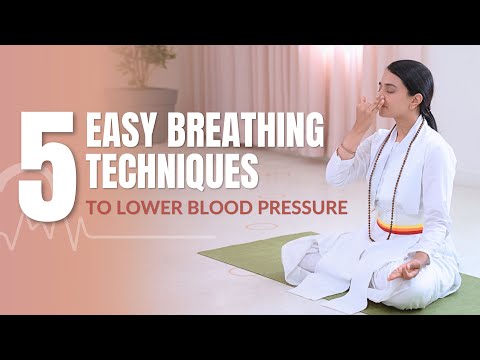
Hey, you! Let’s chat about something that might totally change the way you feel—Pranayama. I know, it sounds all fancy and stuff, but hear me out.
You know those days when life feels like it’s just too much? Yep, we’ve all been there. Sometimes we just need a little help to chill out and catch our breath.
That’s where pranayama comes in. Seriously, it’s all about breathing techniques that can give your mind a break and help keep your blood pressure in check.
Imagine feeling calmer and more grounded with just a few simple breaths. Sounds pretty awesome, right? So let’s dig into how these techniques can actually support your mental health and help you feel better overall.
Discover the Best Pranayama Techniques to Naturally Manage Low Blood Pressure
Pranayama is a practice from yoga that focuses on controlling breath. It’s not just about relaxation; it can seriously help with managing physical conditions too. If you’ve been feeling low-energy because of low blood pressure, pranayama techniques might offer some relief. Let’s get into it.
Firstly, low blood pressure, or hypotension, can leave you feeling dizzy and tired. It’s when your blood pressure falls lower than normal levels. While there are many ways to cope with this, like adjusting your diet or staying hydrated, using pranayama offers a natural method to manage how you feel.
One of the best techniques for low blood pressure is Nadi Shodhana, also known as alternate nostril breathing. This technique helps balance energy and improve overall mental clarity, which can be super beneficial when you’re feeling sluggish. To try it:
Doing this for just a few minutes can leave you feeling more focused and balanced.
Another technique is Brahmari, or humming bee breath. This involves making a humming sound while exhaling through your nose. It’s fantastic for calming the mind and reducing stress—two things that can really affect how your body responds to blood pressure:
This has an amazing way of grounding you and might even lift that fuzzy feeling in your head caused by low blood flow.
And then there’s Ujjayi breathing, sometimes called ocean breath. This isn’t just calming; it also increases oxygen flow throughout your body which could help alleviate symptoms of low blood pressure:
This technique helps keep energy steady and promotes relaxation.
You know what’s clutch about these practices? You can do them anywhere! Whether you’re at home or even at work during a break—you can just sneak away for five minutes to breathe deeply and reset yourself.
Of course, always listen to your body! If you’re ever unsure about how different exercises affect you or if you’re experiencing extreme symptoms, checking in with a healthcare professional is really important too.
So yeah, pranayama isn’t some magical fix but integrating these techniques into daily life could really help ease that constant fatigue from low blood pressure. Just remember—consistency is key!
Discover the Best Pranayama Techniques to Enhance Your Mental Health
Pranayama, huh? It’s like yoga’s little cousin that focuses on breath control. Seriously, you wouldn’t believe the impact your breath can have on your mental health and even low blood pressure. So, let’s break it down a bit.
First off, what is Pranayama? Basically, it’s a practice from ancient yogic traditions that centers around regulating your breath. Seems simple, right? But it’s much more than just inhaling and exhaling. When done right, these techniques can seriously help calm your mind and lower stress levels.
Types of Pranayama Techniques
There are various techniques out there, each with its own vibe. Here are a few key ones:
So why does this matter for mental health? Well, when you practice Pranayama regularly, you’re basically telling your body to chill out. You know how when you’re stressed or anxious your heart starts racing? Yeah, breathing techniques can actually help slow your heart rate down.
The Connection to Low Blood Pressure
Now let’s talk about blood pressure for just a sec. When you’re stressed out, this often leads to high blood pressure—a real health concern these days. But guess what? Regularly practicing Pranayama can actually help keep that blood pressure in check.
Research suggests that controlled breathing enhances relaxation responses in the body which helps reduce stress hormones like cortisol. Lower cortisol means lower blood pressure! It’s kind of like giving yourself a natural wellness boost.
A Personal Touch
Think about my friend Sarah for a moment. She used to struggle with anxiety attacks that came out of nowhere. After she started doing Nadi Shodhana each morning for just 10 minutes, she noticed she felt more grounded throughout her day! Plus, her docs said her blood pressure looked great during her last check-up.
That’s why incorporating these techniques into your routine could be beneficial—not just physically but mentally too! So if you’re looking to enhance your mental health or manage low blood pressure better, give at least one of these Pranayama techniques a shot.
In short: breathe easy; you’ve got this!
Effective Breathing Exercises to Reduce Heart Rate and Blood Pressure Naturally
Breathing exercises can work wonders for your heart rate and blood pressure. Seriously, it’s pretty amazing how something so simple can have such a big impact. You know, the way we breathe affects our body and mind in profound ways. Pranayama, a practice from yoga, is all about controlling your breath to manage stress and boost your mental health.
So, let’s break down some effective breathing techniques that can help you chill out and even lower those numbers naturally.
- Diaphragmatic Breathing: This is all about using your diaphragm instead of just shallow breathing from your chest. To try it, sit or lie down comfortably. Place one hand on your belly and the other on your chest. Breathe in deeply through your nose, letting your belly rise while keeping your chest still. Then exhale slowly through pursed lips. It’s super calming!
- Nadi Shodhana (Alternate Nostril Breathing): This classic pranayama technique balances both sides of the brain and calms the nervous system. Close off one nostril with your thumb and inhale deeply through the other nostril. Then, switch sides—close off the other nostril with a finger and exhale through the first one. Repeat this pattern for a few minutes.
- Box Breathing: This one’s great for grounding yourself when you feel anxious or overwhelmed. Imagine a box: inhale for four counts, hold that breath for four counts, exhale for four counts, and then hold again for four counts before repeating the cycle. It’s like putting life on pause—just you and your breath.
- Pursed-Lip Breathing: Perfect if you’re feeling short of breath or want to slow down fast breathing. Inhale through your nose for two counts, then purse your lips as if you were going to whistle and exhale slowly through them for four counts. It helps keep airways open longer!
The cool thing is that these techniques don’t take much time at all—just a few minutes each day can lead to real benefits! Think about this: imagine being stuck in heavy traffic—you’re stressed out, heart racing—but instead of freaking out, you take five minutes to do some diaphragmatic breathing right there in your car (safely parked!) That little moment could make all the difference in how you cope with stress.
The science backs this up too! Deep breathing activates something called the ‘parasympathetic nervous system,’ which is basically like hitting the brakes on stress responses in our body. So between reduced heart rates and lower blood pressure levels? Yeah, it’s totally achievable!
You might find that pairing these exercises with mindfulness or meditation really enhances their effects too; it’s like giving yourself an emotional hug! You take care of yourself both physically and mentally by focusing on just *being* in that moment.
So next time you’re feeling overwhelmed or simply want to chill out after a long day? Just remember: breathe deep, let it flow, and give those practices a shot! You got this!
You know, it’s interesting how sometimes we overlook simple things that can really make a difference in our lives. Like breathing. Yeah, breathing! I mean, we do it all the time without thinking, right? But pranayama—essentially breath control—is a whole other ball game. It’s like an ancient practice from yoga that’s gaining traction today for its impressive benefits, especially when it comes to mental health and even low blood pressure.
I remember this one time I was feeling super anxious about something completely trivial—like a presentation at work. My heart was racing, my mind was spinning like crazy, and I thought I might just implode right there. A friend casually mentioned trying some pranayama techniques to chill out. Honestly? I rolled my eyes at first. But hey, desperate times call for desperate measures!
So I gave it a shot. I found a quiet spot and followed along with some deep breathing exercises online. You start by inhaling deeply through your nose, then exhaling slowly through your mouth. It sounds so simple but wow! After just a few minutes, I felt this weight lift off my shoulders as if I’d just let go of a dozen grocery bags I’d been lugging around for weeks.
What’s great about pranayama is that it doesn’t just help with the immediate stress; it kind of trains your brain to better handle anxiety in the long run too. This steady breathing can really calm those racing thoughts and help you feel more grounded during tricky moments.
For folks dealing with low blood pressure—that’s when your blood pressure dips lower than normal—pranayama could be helpful as well. Some studies suggest that certain breath control practices may improve circulation and keep things balanced out for you. It’s really about finding the right techniques that fit your needs.
But remember: it’s not going to solve everything overnight or replace medical advice or treatment if you have specific conditions. But hey, every little bit helps, right? Just taking those few quiet moments to breathe can be incredibly refreshing—not only for your mental health but also physically.
So if you’re feeling overwhelmed or just need a gentle reset during the day, consider giving these breathing techniques a try. You might find that all you need is to take a deep breath—and then another one—to bring yourself back to center again.