Alright, so let’s talk about pranayama. You know, that cool breathing technique? It’s not just about yoga poses and zen vibes. Seriously, it can work wonders for your mind.
Picture this: you’re feeling all jumbled up—stress from work, life just throwing curveballs at you. You can’t concentrate on anything. Ugh, right? Well, this is where pranayama steps in like a superhero.
It’s all about breath control. An ancient practice that helps clear the clutter in your head and brings those emotions back to a balanced state.
Trust me, once you get the hang of it, you might feel lighter and more focused. Sounds appealing? Let’s dig into how these techniques can help you find some mental clarity and emotional peace!
Unlock Mental Clarity: The Best Pranayama Techniques for Enhanced Focus
Pranayama is this cool practice from yoga, focusing on breathing techniques that can really help you level up your mental clarity and emotional balance. You know how when you take a deep breath, it kind of calms your mind? Yeah, that’s basically what pranayama taps into. It’s like using your breath to hit a refresh button on your brain.
So, how does it work? Well, the thing is, breathing affects your nervous system. Certain techniques can help activate relaxation responses, which lowers stress and promotes focus. Pretty neat, huh?
Here are some pranayama techniques that people find super helpful for mental clarity:
- Ujjayi Breathing: This one’s about slightly constricting the throat while inhaling and exhaling through the nose. It creates a sound like ocean waves. Seriously calming! You can do this practice while meditating or even just sitting at your desk trying to concentrate.
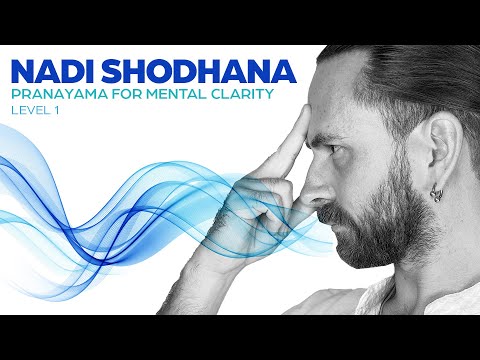
- Nadi Shodhana (Alternate Nostril Breathing): This technique balances both sides of the brain—kind of like giving your mind a little workout! Cover one nostril with your thumb while inhaling through the other, then switch. It helps clear out mental fog.
- Kapala Bhati (Skull Shining Breath): Okay, this one is energetic! You take short, forceful exhales followed by passive inhales. It’s like turning up the lights in a dim room—it wakes you right up!
- Dirgha Pranayama (Three-Part Breath): This involves filling up your lungs in three sections: first the belly, then chest, and then collarbone area. It’s grounding and expands lung capacity—great for when you’re feeling overwhelmed.
You might be wondering how often to practice these techniques. Honestly, even just five minutes can make a difference! I remember when I first tried nadi shodhana before an important meeting; I felt way more balanced and ready to tackle any curveballs.
One more thing: make sure you’re in a comfy spot while practicing them. Whether sitting on a chair or cross-legged on the floor works—the key is staying relaxed and focusing on those breaths.
Overall, incorporating pranayama into your routine isn’t just about adding something new; it’s really about creating space in your mind and bringing in some calm amidst life’s chaos. So if you’re looking for ways to enhance focus or manage emotions better—this could be just what you need!
Achieving Emotional Balance: The Powerful Role of Pranayama in Mental Well-Being
Ever feel like your emotions are just all over the place? You know, like one minute you’re on cloud nine and the next you’re in a funk? Emotional balance is super important for our overall well-being, and one awesome way to help with that is through pranayama, which is a set of breathing techniques used in yoga. So, let’s break it down.
Pranayama literally means “control of breath.” It’s not just about breathing; it’s about how you breathe. The idea is that by controlling your breath, you can tap into your emotions and mental states more effectively. That’s pretty cool, right?
- Reduction of Stress: Stress can totally throw us off balance. When you’re stressed, your breath becomes shallow and quick. Pranayama helps slow it down. This can lower your heart rate and make you feel more relaxed.
- Improved Focus: Ever tried to concentrate but your mind just won’t cooperate? Pranayama techniques like Nadi Shodhana, or alternate nostril breathing, can really clear the fog. By focusing on your breath, you pull yourself out of distractions.
- Emotional Regulation: Sometimes emotions hit hard! Practicing pranayama allows you to tune into those feelings instead of getting swept away by them. For example, Kapalabhati, or skull shining breath, can help energize you when you’re feeling low.
- Mood Enhancement: Simple deep breathing exercises can actually trigger the release of feel-good hormones. This means regular pranayama might help lift your spirits over time.
If you’re like many people who are skeptical about trying new things (hey, I get it), picture this: a friend of mine was dealing with anxiety before important events—like presentations or family gatherings. She started doing pranayama every morning for just ten minutes. Her feedback? She felt calmer during those situations because she had developed a toolkit for managing her breath—and her nerves!
The thing to remember is that consistency matters here. Just like working out muscles takes time and effort, finding emotional balance through pranayama doesn’t happen overnight either. Even five minutes a day can start making a difference if you’re patient with yourself.
You might be wondering what these techniques look like in action! Try starting with something simple: sit comfortably and inhale deeply through your nose for a count of four, hold for four seconds, then exhale slowly through your mouth for another count of four. It’s kind of like giving yourself a mini-vacation—just a break from all the chaos around you.
If this piques your interest, look into local classes or online resources to learn more about different pranayama techniques. There are loads out there! Just remember that everyone feels emotions differently; find what works best for you.
Your emotional health deserves attention. Incorporating pranayama could be one fantastic tool in keeping things balanced up there—who wouldn’t want that?
Discover the Pranayama Technique That Harmonizes Logic and Emotions for Mental Balance
Pranayama is a technique that really connects your body and mind. It’s all about controlling your breath to help you find balance between logic and emotions. This practice comes from yoga, and it can bring some serious mental clarity and emotional calmness when you need it most.
The big idea behind pranayama is that your breath influences how you feel. When you’re anxious or stressed, your breathing tends to be shallow and rapid. But with pranayama, you can learn how to breathe deeply and slowly, which calms everything down. So, let’s break this down a bit more.
What Is Pranayama?
Pranayama means “extension of breath” in Sanskrit, which highlights its focus on controlling the breath. By practicing this regularly, you can regulate emotions more effectively and think clearer—it’s like giving your brain a reset button.
How Does It Work?
The technique involves various breathing methods that can balance the nervous system. There’re different types you might come across:
Imagine sitting in a quiet space, practicing Nadi Shodhana. You close one nostril and breathe in slowly through the other; then switch after each inhale. If you’re feeling overwhelmed with thoughts or emotions—like after a chaotic day—this gives your mind space to breathe again.
Emotional Balance
By focusing on controlled breathing, you’re actively working toward emotional regulation. Think about it: when you’re upset or stressed out, deep breaths make a huge difference! It’s like telling your body that things are okay—even when they don’t feel like it.
You know how sometimes emotions just bubble over? That’s when bringing mindfulness into breathwork helps keep those feelings from taking over completely.
Mental Clarity
When you’ve cleared the emotional clutter with pranayama, making decisions becomes so much easier! Instead of being swamped by worries or anxiety about what might happen next—you get clarity on what actually matters right now.
Integrating these techniques into daily life doesn’t have to be complicated either; even just 5–10 minutes each day can be transformative!
In summary: Pranayama teaches us to create space between our thoughts and feelings through conscious breathing practices. That harmony brings better mental health overall—it’s all intertwined beautifully! So if you’re looking for mental balance in this crazy world we live in, why not give some of these techniques a try?
You know, when life gets a bit too much, and your mind feels like a crowded subway at rush hour, it can be tough to find that quiet space inside yourself. I remember one time when everything just felt overwhelming. Work was piling up, relationships were a bit rocky, and I was just… well, stressed. A friend suggested trying pranayama techniques. At first, I thought it sounded kind of odd—like some deep yoga thing that wasn’t really my vibe. But desperate times call for desperate measures, right?
So there I was, sitting cross-legged on my living room floor, feeling a little silly but willing to give it a shot. Pranayama is this ancient practice from yoga that’s all about breath control. The idea is simple: you focus on your breathing patterns to help clear your mind and balance those pesky emotions.
The first technique I tried was “ujjayi breath.” Basically, it’s about taking deep breaths in and out through your nose while slightly constricting the throat. Sounds weird? It kind of is! But there’s something soothing about the sound it makes—like ocean waves in your head. After just a few rounds of that deep breathing, my mind started to quiet down a bit.
And then there’s “nadi shodhana,” or alternate nostril breathing. You block one nostril while breathing through the other and switch back and forth. Let me tell you, at first it felt like I was performing some sort of hand dance! But after a few minutes? Wow! It genuinely helped me feel more balanced and centered.
What happens is these techniques help slow everything down—your heart rate, your racing thoughts—it’s like hitting pause on life for just a moment. I noticed that my emotions felt less intense afterward—it was as if someone had dimmed the lights on all the chaos swirling around me.
I think what struck me most was how accessible this all felt; anyone can do it anywhere without needing fancy equipment or classes. Just you and your breath—seriously profound when you think about it.
Of course, it’s not magic; it’s not gonna solve everything overnight or replace therapy or good ol’ chats with friends—but finding that mental clarity even for a few minutes can make all the difference in how you face the day ahead.
So if you’re feeling like life got too loud lately or those emotions are running haywire? Maybe give pranayama a try. It could be just what you need to find some calm within all the noise!