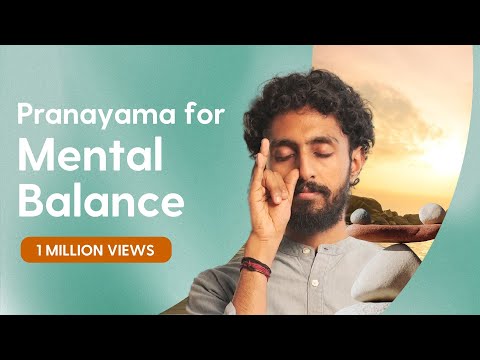
Hey there! You know, life can get pretty overwhelming sometimes. Between work stress, family drama, and just the everyday hustle, it’s easy to feel a little off balance.
That’s where pranayama yoga comes in! It’s like a breath of fresh air—literally. Seriously, this practice focuses on breathing techniques that can help you chill out and boost your mood.
And the great part? There are classes popping up all around you. Whether you’re a total newbie or an old pro in yoga pants, it’s super accessible. So let’s explore how these classes can support your mental wellbeing and find some near you!
Discover the Most Effective Pranayama Techniques for Boosting Mental Health
Pranayama, a term rooted in yoga, refers to breath control techniques that can really help when it comes to enhancing your mental health. You know, it’s about more than just taking deep breaths. It’s like a bridge connecting your mind and body. With the right techniques, you can calm your thoughts, reduce stress, and actually improve your overall mood.
So, let’s break down some of the most effective pranayama techniques that can work wonders for mental well-being:
1. Nadi Shodhana (Alternate Nostril Breathing): This technique helps balance the left and right sides of your brain. You start by closing one nostril while inhaling through the other, then switch it up after a few breaths. It’s great for reducing anxiety and promoting a sense of calm.
2. Ujjayi (Victorious Breath): This one’s about making a soft sound while breathing in and out through the nose. It can be super grounding and is often used during yoga practice to help you stay present. When you’re feeling scattered or overwhelmed? Try Ujjayi to recalibrate your mind.
3. Kapalabhati (Skull-Shining Breath): Sounds fancy, huh? It involves short bursts of forceful exhales followed by passive inhales. People often say it leaves them energized and clears mental fog—perfect when you’re looking for a pick-me-up during those afternoon slumps.
4. Bhramari (Bee Breath): It’s as simple as it sounds! You make a humming sound while exhaling, kind of like a bee buzzing around. This one’s amazing for calming an overactive mind or easing feelings of frustration.
And hey, if you’re wondering how these breathing exercises fit into real life? Picture this: after a long day at work filled with meetings and deadlines, finding just five minutes to do Nadi Shodhana can feel like hitting refresh on your brain!
Also worth mentioning is how pranayama can be practiced almost anywhere—your living room, at your desk in between tasks or even outdoors if you’re seeking some fresh air!
But before you jump into any of these practices solo, keep in mind that joining pranayama classes near you could be really beneficial too. Having an instructor guide you through the basics means they’ll help correct your form and encourage positive habits from the get-go.
Just remember: consistency is key! Incorporating these techniques into your daily routine—even if it’s just 5-10 minutes—can lead to noticeable shifts in mood over time. You’ll likely find yourself feeling more connected and centered as you get into the groove of things.
In short, with Pranayama techniques like Nadi Shodhana or Ujjayi breathing at hand, you’re not just adding another thing to do—you’re opening up doors to better emotional health! So give them a shot; who knows what kind of peace awaits?
Discover the Best Yoga Practices for Boosting Mental Health and Well-Being
Yoga has this incredible ability to help with mental health and overall well-being. When you think about it, it’s not just about the poses, right? There’s a whole emotional and psychological aspect to it too.
One thing that stands out in yoga is **Pranayama**, which focuses on breath control. Seriously, have you ever realized how much our breath affects how we feel? When you’re anxious or stressed, your breathing tends to become shallow and quick. But with Pranayama practices, you learn to take deep, calming breaths that can actually reduce anxiety and help ground you.
Here are some key points about Pranayama that can really boost your mental health:
- Enhanced Focus: Breathing exercises improve concentration by forcing you to pay attention to your breath instead of letting your thoughts run wild. It’s like getting a mini mental break!
- Stress Relief: Controlled breathing activates the parasympathetic nervous system, which counters stress responses. So when life gets overwhelming, a few minutes of focused breathing can really reset your mood.
- Emotional Balance: Regular practice can help regulate emotions. You might notice you’re less reactive when challenges come up because you’ve trained yourself to respond rather than react.
- Improved Sleep: Breath regulation before bedtime helps calm your mind and prepare your body for sleep. You know those nights when you just can’t settle down? A quick Pranayama session could help.
And let me tell you about a friend of mine who turned her life around with yoga. She was juggling work stress and personal issues, feeling pretty overwhelmed. One day she decided to try a local yoga class that focused on Pranayama techniques. At first, she was skeptical—like seriously, how could breathing help her? But after a few sessions, she started noticing changes in her mindset and mood. She felt more centered and had better control over her anxiety.
The beauty of Pranayama is that you don’t need fancy equipment or even much space at home. Just find a quiet corner where you can sit comfortably, close your eyes if that helps, and start focusing on deep inhales through the nose and slow exhales through the mouth.
So if you’re looking for ways to boost your mental wellbeing—and honestly, who isn’t these days?—consider giving Pranayama yoga classes near you a shot! It’s all about finding what suits you best because everyone’s journey is different.
Give yourself permission to explore different styles or instructors—it might take time but finding the right vibe can make all the difference!
Understanding the Key Differences Between Breathwork and Pranayama for Better Mental Health
When we talk about breathwork and pranayama, it’s easy to get lost in the terminology. But let’s break it down nice and simple. Both practices involve controlling your breath, but they’re rooted in different traditions and have unique techniques.
Breathwork is a general term that covers various breathing techniques used for physical, emotional, or spiritual benefits. It can be as simple as conscious deep breathing or more complex methods like holotropic breathwork. Imagine sitting somewhere cozy, closing your eyes, and just focusing on your inhale and exhale. That’s basically breathwork in action! It aims to help you manage stress, enhance mood, or even connect with deeper parts of yourself.
On the flip side, we have pranayama, which comes from ancient Indian yoga traditions. This practice specifically focuses on controlling the life force (or «prana») through breathing techniques. Here’s the thing: pranayama goes beyond just inhaling and exhaling; it involves specific patterns and holds that can energize or calm you down depending on what you’re aiming for.
So what are some key differences? Well, here are a few things to consider:
- Origins: Breathwork is modern and adaptable; pranayama is ancient and deeply rooted in yoga philosophy.
- Techniques: Breathwork can include a range of styles—think of it like a buffet—while pranayama follows structured methods.
- Focus: Breathwork often emphasizes emotional release or personal growth; pranayama is about channeling energy for balance.
- Cultural Context: Pranayama may include spiritual elements like mantras or mudras, while breathwork tends to be more secular.
Let’s say you’re feeling super anxious one day. If you dive into breathwork, you might try a technique where you take deep breaths for a few minutes just to calm your nervous system down. Yet with pranayama, you’d probably use specific techniques like “Nadi Shodhana,” which alternates nostrils to create balance between your mind’s left (calming) and right (energizing) sides.
And here’s a little nugget of wisdom: even though they’re different practices, both have real potential for better mental health. Maybe one day you’ll find yourself at a local yoga studio exploring some *pranayama*, while another day you might chill out with some straightforward *breathwork* at home.
Ultimately, it’s all about what feels right for you! Whether it’s the elegant flow of pranayama or the versatile nature of breathwork, you’re tapping into incredible tools that can empower your mental wellbeing. Just remember to listen to yourself along the way; after all, everyone’s journey with their mental health is unique!
Breathing is something we all do, but when was the last time you really thought about it? I mean, you might not realize just how powerful your breath can be for your mental wellbeing. If you’ve ever tried those Pranayama yoga classes, you know what I’m talking about. It’s like hitting the reset button on your mind.
Recently, a buddy of mine decided to join a local Pranayama class. He was feeling stressed out from work and wanted to find some calm in the chaos. The first time he went, he was a bit skeptical. Like, can breathing exercises really make a difference? But after just one session of learning how to breathe consciously—like focusing on long inhales and slow exhales—he noticed an immediate shift in his mood. It’s impressive how something so simple can feel so grounding.
The cool part about these classes is that they’re often held in cozy studios with soft lighting and soothing music. It sets the mood perfectly for diving into those deep breaths. Each inhale feels like you’re filling up with peace and every exhale helps release what’s weighing you down. And let me tell you, seeing others around you open up and relax is pretty inspiring!
Plus, there’s something communal about it that adds to the experience. Everyone’s there for similar reasons: stress relief, anxiety reduction, or simply trying to find a little more balance in life. You walk in feeling overwhelmed sometimes but by the end of class, folks are glowing and smiling—like they’ve shed some heavy burdens together.
If you’re curious about Pranayama yoga classes near you, definitely give it a shot! Your mind deserves that kind of care. It could turn into your little escape where just breathing brings clarity and calmness back into your life—something we could all use now and then!