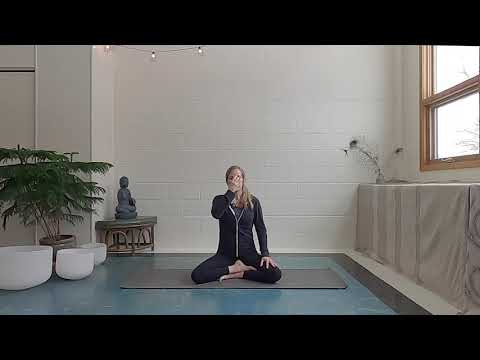
Hey there! You ever feel like your brain is just a jumbled mess? Like thoughts are swirling around, and you can’t quite grab onto one? Yeah, I get it.
Sometimes, life throws so much at us that finding calm feels impossible. That’s where something called Pratiloma Pranayama comes in—sounds fancy, right? But really, it’s just a cool breathing technique that helps clear your mind and chill out those wayward emotions.
Imagine sitting quietly, focusing on your breath, and feeling that mental fog lift. Pretty awesome picture, huh? Anyway, let’s chat about how this practice can bring you some sweet clarity and a nice dose of emotional balance. It might just be the reset you didn’t know you needed!
Top Pranayama Techniques to Boost Mental Clarity and Focus
Pranayama is a practice from yoga that focuses on controlling breath. Seriously, it’s like hitting the refresh button for your brain. When you think about it, our breath affects how we feel and think. One of the specific techniques you might hear about is **Pratiloma Pranayama**. This technique can do wonders for improving mental clarity and emotional balance, which is something we all could use a bit more of, right?
**What’s Pratiloma Pranayama?** Well, it’s a type of inverted breathing where you inhale against the flow of exhalation. So instead of just breathing in and out normally, you’re mixing things up a little bit. The focus here is on inhaling through your nose while intentionally creating resistance during your exhale. It sounds tricky at first, but with practice, it can really help clear up mental fog.
Here are some **key aspects** to remember about this technique:
- Clear Headspace: Practicing Pratiloma can help sweep away those pesky thoughts that make it hard to concentrate.
- Emotional Balance: This method engages both the mind and body, which helps ground you emotionally. It’s like giving your feelings a little tune-up.
- Breath Control: By mastering your breath through this technique, you develop a deeper connection to yourself, leading to insight and clarity.
Now let’s get into **how to do this breathing technique** so you can start reaping its benefits.
First off, find a comfortable spot where you won’t be interrupted. Sit cross-legged or in any position that’s cozy for you—posture matters here! Once settled:
1. Inhale deeply through your nose.
2. As you fill up with air, hold and imagine that air spreading light within your head.
3. For the exhale—as strange as it sounds—you’ll tighten your throat gently like you’re trying to breathe out against resistance.
4. Focus on making that exhale slow and controlled.
And just like that, you’re practicing! The key here is consistency; try doing this daily for just a few minutes at a time.
Just picture yourself going through a hectic day—like when deadlines are looming or emotions are running high—and how taking five minutes for Pratiloma could help calm everything down inside your head.
So give it a shot! You might find that between balancing work or life’s ups and downs, some intentional deep breaths could be exactly what you’ve been looking for to boost not only mental clarity but emotional well-being too!
Exploring Pratiloma Pranayama: Benefits for Mental Health and Well-Being
Pratiloma Pranayama, a breathing technique from yoga, has gained attention for its benefits on mental health and emotional well-being. So, let’s break it down and see what makes this practice special.
First off, basically, **Pratiloma** means «against the grain.» In this pranayama (which is just a fancy word for breath control), you inhale through your nose in a controlled way while exhaling against the flow. This technique can help create a sense of calm and focus, which we all could use sometimes, right?
When you practice Pratiloma Pranayama regularly, you might notice a few things. Here are some of the benefits:
So let’s talk about how it feels to do this pranayama. Picture yourself sitting comfortably in a quiet room. As you inhale deeply and slowly through your nose, your body starts to relax. That moment? It’s almost magical! Then as you exhale slowly against the flow of breath—like gently pushing back—you release all that tension building up inside.
Imagine how many times you’ve felt overwhelmed or anxious during the day. Maybe it was work-related stress or personal issues weighing heavy on your mind. Well, after doing Pratiloma Pranayama for just a few minutes, that weight feels lighter somehow.
What’s cool is that it’s not just about relaxation; it sharpens concentration too! You can find yourself more focused on tasks afterward because you’re coming from a place of serenity rather than chaos.
Also worth noting is its accessibility! Anyone can give it a try without needing special equipment or classes right away. Just some quiet time and awareness of your breath—that’s all it takes to start exploring these benefits.
While this practice may not be everyone’s cup of tea and shouldn’t replace professional help when needed, integrating something like Pratiloma Pranayama into your routine can definitely be an enriching experience for mental clarity and emotional balance.
So if you’re looking for new ways to boost your mental health toolkit, consider giving Pratiloma Pranayama a shot! There’s no harm in trying something new that might just bring some peace into those everyday stresses we all face.
Achieving Emotional Balance: The Transformative Power of Pranayama for Mental Well-Being
Achieving emotional balance is something we all crave, especially when life throws us curveballs. It’s like trying to ride a bike on a bumpy road; you need to find that sweet spot to keep from toppling over. One approach that can really help with this is **pranayama**. You’ve probably heard of it as a breathing technique used in yoga, but it’s got some serious benefits for your mental well-being too.
Pratiloma pranayama is a specific type of breath work where you alternate inhaling and exhaling through different nostrils. It’s kinda neat because it emphasizes balance between both sides of your brain, which can lead to mental clarity and emotional stability. A friend of mine tried it during a particularly stressful week at work. After just a few minutes of this practice, she said she felt more grounded and focused—like the chaos around her just faded into the background.
Here’s how **pranayama** can transform your emotional landscape:
- Breath Control: The idea behind pranayama is simple: controlling your breath helps control your mind. When you’re anxious or stressed, your breathing tends to get shallow and quick. Pranayama teaches you to slow it down, which sends signals to your brain to chill out.
- Emotional Release: Sometimes we hold onto feelings like stress or sadness without realizing it. Practicing pranayama can help you release those stuck emotions by promoting relaxation and awareness in your body.
- Mental Clarity: Ever feel foggy-headed? Regular practice of pratiloma pranayama can clear that up! It boosts oxygen flow to the brain, so you’re better equipped to think straight and make decisions.
- Grounding Energy: Balancing breath techniques help align energies in your body which can create an overall sense of groundedness—kinda like finding center when everything feels off-kilter.
- Simpler Stress Management: You might find yourself more resilient when stressful situations arise. It’s like having an internal coping strategy ready at your fingertips.
The beauty of pranayama is that it doesn’t take long to integrate into your day-to-day life. Just set aside 5-10 minutes each day for practice. You don’t need fancy equipment or extensive knowledge—just relax, sit comfortably, and breathe.
If you practice regularly, you’ll likely notice shifts not just in how you feel emotionally but also in how you react to things around you. It’s like flipping a switch from chaos to calmness! For instance, one morning after practicing pratiloma pranayama for a week straight, I tackled my overwhelming inbox with surprising ease—it felt less daunting than before.
Ultimately, achieving emotional balance isn’t about eliminating stress; it’s about finding healthy ways to cope with it and keep yourself steady through life’s ups and downs. So give pranayama a whirl—you might just find it’s the little boost you’ve been looking for!
So, let me tell you about this thing called Pratiloma Pranayama. It’s basically a fancy way of saying “reverse breathing.” You know how when you’re feeling stressed or a bit all over the place, the right kind of breath can really help? Well, that’s kinda what this is all about.
Imagine you’ve had a long day—like one of those where everything seems to go wrong. Maybe your boss was on your case, or you had an awkward encounter with someone you didn’t wanna run into. By the end of it, your mind is racing and emotions are bouncing around like a ping-pong ball. I remember once just sitting in my car after work, feeling completely drained and overwhelmed. Honestly, I could’ve used a lifeline—or some good old Pratiloma Pranayama.
This technique works by inhaling through one nostril while exhaling through the other. It’s a simple process but surprisingly effective. It’s like when you’re trying to untangle headphones—slowly and delicately working through each knot helps clear the mess. With every breath in and out, you begin to feel more centered and calm.
The cool part? People say it helps with clarity too. Ever find yourself stuck on something that just doesn’t make sense? Like why you keep repeating certain patterns in relationships or why your mind just won’t quiet down during that important presentation? You might find that practicing Pratiloma helps create space for new thoughts to pop up in that foggy brain of yours.
I’ve tried it myself during moments when anxiety hits hard—my heart racing and thoughts spiraling like crazy—and honestly? It felt like hitting a reset button on my mental state. In those few minutes of focused breathing, real clarity began to emerge from the chaos.
So if you’re looking for something to bring back balance during life’s rollercoaster ride, give it a shot! You never know how much simply breathing can help straighten out those tangled feelings swirling around in there. Just remember: slow down, take a breath, and let it flow—it might just lead you back to yourself again.