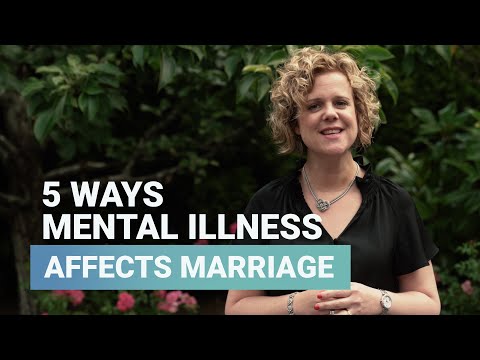
You know, when you think about getting married, the focus is usually on love, right? But there’s so much more to it. Have you ever considered how mental health plays into all of that?
Like, seriously, we often overlook how our emotional well-being can shape our relationships. Picture this: two people head over heels in love but maybe carrying some baggage they haven’t dealt with.
It can get tricky! Those little issues can crop up and cause big waves if we’re not careful.
So, let’s chat about why keeping your mental health in check before tying the knot is super important. Trust me, it’s a game changer!
The Impact of Mental Health on Relationships: Understanding the Connection
The impact of mental health on relationships is huge. If you think about it, when you’re feeling down or anxious, it can totally shift how you connect with others. Relationships are all about communication, trust, and intimacy. But what happens when mental health gets in the way? It can lead to misunderstandings and conflict, you know?
Just imagine a couple where one person struggles with anxiety. That person might avoid social situations or become irritable when feeling overwhelmed. The other partner could misinterpret this behavior as disinterest or rejection. Suddenly, small issues spiral into bigger fights. It’s like a snowball effect.
Now, let’s break this down a bit more:
- Communication barriers: If you’re dealing with things like depression or anxiety, talking openly can feel daunting. Partners may feel pushed away or not know how to help.
- Emotional availability: Mental health struggles often affect your ability to be present in the relationship. You might feel numb or disconnected.
- Trust issues: If someone has a history of trauma, they may struggle to trust their partner fully. This can create tension and insecurity.
- Coping mechanisms: People deal with stress differently. Some might resort to unhealthy habits like drinking or withdrawing emotionally, which can strain the relationship further.
Then there’s all of that pre-marital stuff! Before tying the knot, partners often overlook mental health concerns. It’s super common—like who really wants to think about that heavy stuff before getting hitched? But addressing these issues early on is key.
Think back to Sam and Chris—two friends who started dating but didn’t talk much about their individual mental health challenges before they got serious. Sam had been battling depression for years but thought he could just keep it under wraps. Chris was more extroverted and loved being social but felt lonely at times because Sam was withdrawn.
At first, everything seemed great! But eventually, Sam’s lack of energy led to tension between them because Chris thought he wasn’t interested anymore. They ended up having a huge blowout over something small that wouldn’t have mattered if they had communicated better.
A healthy relationship thrives on understanding and empathy! When both partners acknowledge mental health challenges openly:
- They can create a safe space for each other.
- They’ll know how to support one another effectively.
- They’re more likely to build a stronger bond based on trust and respect.
So seriously—it’s worthwhile talking about mental health before jumping into anything long-term! Being aware of each other’s emotional states helps navigate those inevitable ups and downs together.
In the end, remember: mental health matters, not just for individuals but also for relationships as a whole! When both people work towards understanding their struggles—together—they create an environment where love can grow despite life’s challenges.
Unlocking a Stronger Relationship: 10 Benefits of Premarital Counseling
Premarital counseling can be so helpful for couples looking to deepen their connection. Seriously, it’s like a secret weapon for avoiding misunderstandings down the line. Here are some key benefits that come from doing this work together:
1. Improved Communication Skills
You might think you communicate well, but through counseling, you can discover new ways to express your feelings and thoughts. Like, imagine having a toolbox filled with tools specifically made for talking things out instead of keeping it all bottled up.
2. Understanding Each Other’s Values
Every relationship has its own set of beliefs and values. Premarital counseling helps you figure out what matters most to each of you. For example, one person may value family traditions while the other leans towards individualism. Recognizing these differences can create harmony.
3. Conflict Resolution Techniques
Fights happen, no matter how much you love each other! Learning effective conflict resolution strategies means when disagreements arise, you won’t just throw your hands up in frustration. You’ll have skills to navigate those tough moments together.
4. Setting Realistic Expectations
You know how some people have these fairy-tale ideas about marriage? Counseling helps ground those thoughts in reality—like understanding that balancing work and home life takes effort and teamwork.
5. Strengthening Emotional Intimacy
It’s more than just physical closeness; emotional intimacy is crucial too! Discussing vulnerabilities and sharing fears fosters a deeper bond between partners, making your relationship feel even stronger and more connected.
6. Financial Discussions
Money talks can be super awkward but totally necessary! Premarital counseling gives you both a safe space to talk about finances—budgeting, spending habits, or whether or not you want joint accounts down the line.
7. Family Dynamics Exploration
Your family background shapes who you are! Exploring how your families influenced your perspectives on relationships can help clear up potential misunderstandings between each other.
8. Goals Alignment
Think about goals—both personal and shared ones! Counseling encourages couples to discuss future aspirations (like career goals or starting a family) which helps create a clearer path together.
9. Enhancing Commitment Levels
Going through this process shows you’re dedicated to making it work; it strengthens that commitment bond knowing you’ve taken the time to prepare for the journey ahead.
10. Building a Stronger Foundation for Marriage
In the end, premarital counseling helps lay down solid groundwork for your marriage with tools that boost trust & respect between partners—even before saying “I do.”
So yeah, investing time into premarital counseling isn’t just about checking boxes before the big day—it’s genuinely about making sure you’re ready for anything married life throws at ya!
Exploring the Latest Insights: A Comprehensive Guide to Marriage Research Articles
You know, mental health plays a pretty big role in pre-marital relationships. It’s like the foundation of the house, right? If it’s shaky, well, you get where this is going. A bunch of new research articles highlight some cool insights on this connection. Let’s break it down, shall we?
Understanding Communication Patterns
Good communication can make or break a relationship. Research shows that couples who openly discuss their feelings tend to have healthier dynamics. For instance, one study found that couples who engage in regular check-ins about their emotional well-being felt more connected and less anxious.
- Conflict Resolution: Learning how to fight fair is crucial. Couples with strong mental health skills can handle disputes more effectively.
- Emotional Regulation: Being able to manage your feelings helps prevent unnecessary blowouts.
The Impact of Past Trauma
Past experiences can really shape how we approach relationships. If someone has unresolved trauma, it might show up in their interactions with their partner. One article discussed how individuals with PTSD often struggle to maintain intimacy due to trust issues.
- Building Trust: It’s essential for couples to work through these past experiences together for better bonding.
- Seeking Help: Sometimes talking to a therapist before tying the knot can help unpack these heavy bags.
The Importance of Shared Values
Research indicates that having aligned values contributes significantly to relationship satisfaction. Partners who prioritize similar goals—be it family dynamics or financial planning—usually fare better.
- Mental Health Awareness: Couples who value each other’s mental health are likely more supportive during tough times.
- Coping Strategies: Sharing techniques for dealing with stress can strengthen the bond between partners.
The Role of Pre-Marital Counseling
A rising number of couples are opting for pre-marital counseling as part of their journey. This proactive step provides tools and frameworks that help partners navigate challenges before they arise.
- Sparking Conversations: Counseling sessions often encourage discussions about mental health needs early on.
- Crisis Management Skills: Couples learn strategies for handling future conflicts or life changes together.
The Link Between Mental Health and Relationship Longevity
It turns out that prioritizing mental well-being doesn’t just improve your relationship; it might actually help it last longer! Studies suggest couples who actively work on their mental health together report higher levels of satisfaction years into marriage.
So, what does all this boil down to? Keeping your own mental wellness in check isn’t just good for you; it’s beneficial for your future partner too! If you’re considering marriage or even just a long-term commitment, taking time out for self-reflection and maybe even professional guidance can pave the way for a healthier relationship.
By keeping tabs on these aspects before saying «I do,» you not only set yourselves up for success but also build a solid foundation from which love can truly thrive!
So, you know, when we think about pre-marital relationships, we often focus on the excitement and all the love stuff, but let’s be real here: mental health plays a huge role. Like, it’s one of those things that can seriously shape how two people connect and communicate.
Picture this: I have a friend who was about to get married. Everything looked perfect on the outside. They were madly in love! But then, out of nowhere, anxiety kicked in for one of them. It wasn’t just small jitters; it was like this dark cloud hovering over their heads. They started feeling unsure about the future and questioned if they were ready for this big commitment. Honestly? It put a strain on their relationship.
It’s not just about feelings; mental health affects communication too. If you’re dealing with depression or even just everyday stress, expressing what you need from your partner becomes harder than trying to solve a Rubik’s cube blindfolded! Misunderstandings crop up all over the place, and suddenly little things turn into big fights.
But here’s the kicker: working through these challenges together can actually strengthen a relationship. You start learning more about each other—not just the fun stuff but also the deeper parts like fears and insecurities. It’s kind of like peeling back layers of an onion; yeah, it’s sometimes messy and might make you cry a little (or a lot), but it’s really worth it in the end.
And let’s not forget how important it is to openly talk about mental health before jumping into marriage. It can feel awkward at first—who wants to sit down and chat about anxiety right before saying “I do”? But trust me; having these conversations fosters trust. You’re laying down a strong foundation where both partners feel safe sharing their emotional baggage without judgment.
At the end of the day, navigating mental health issues together before tying the knot could be one of the best things you do for your relationship. It pushes you both towards growth, empathy, and understanding, which are all key ingredients to making love last. It’s like preparing a delicious dish—you gotta check that your ingredients are fresh if you want something special on that plate!