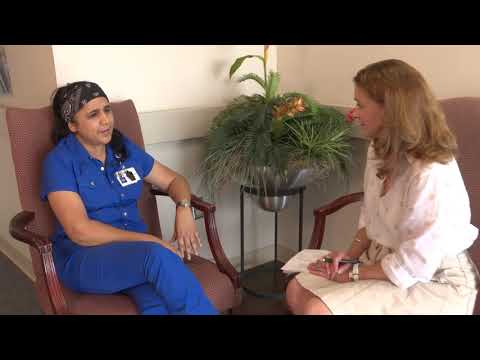
You know, pregnancy is often painted as this magical time. Everyone’s all smiles, glowing skin, and baby kicks. But, hold on a sec. It’s not always rainbows and sunshine.
Some women end up feeling low or just… off. Like, really off. And it can be tough to see if it’s just the pregnancy blues or something more serious like depression.
So, let’s chat about this. If you’re feeling overwhelmed or sad during your pregnancy, you’re not alone—seriously! There are signs to recognize that might help you figure out what’s going on in your heart and mind.
Grab a cozy drink and let’s break this down together!
Understanding Feelings of Detachment During Pregnancy: Is It Normal to Not Want Your Baby?
So, let’s talk about something that might feel a bit heavy, but it’s super important: feelings of detachment during pregnancy. You might be wondering if it’s totally normal to not feel connected with your baby right away. And the answer? Well, it can be complicated.
First off, it’s essential to know that pregnancy can bring a whirlwind of emotions. Seriously, one moment you’re excited, and the next you might feel overwhelmed or even disconnected. That detachment isn’t always a reflection of your love for your baby; sometimes, it’s just how your mind is coping with this huge life change.
A lot of women experience feelings that could be linked to depression during pregnancy. This condition can show up as:
- A sense of disconnection from your baby or the whole experience.
- Feelings of sadness or hopelessness.
- Anxiety about becoming a parent and what lies ahead.
You might also find yourself feeling like a spectator in your own life. Maybe when you go shopping for baby stuff, instead of excitement, you just feel numb or maybe even irritated. It happens more than you think!
Here’s the thing: if these feelings stick around and start affecting how you live day-to-day—like having trouble sleeping, eating poorly, or being super irritable—it could be worth talking to someone about it. That someone could be a doctor or even a therapist who specializes in pregnancy-related issues.
I remember chatting with someone who felt really guilty for not wanting to bond immediately with her baby during pregnancy. She thought she was alone in this struggle until she found out many other moms felt similar ways too! It was such a relief for her to realize she wasn’t weird; it was just her mind coping with all the changes.
Another important thing to note is that these feelings often stem from fluctuating hormones and other physical changes happening within your body. The reality is that pregnancy isn’t just physical; it’s mental too! So give yourself some grace if you’re feeling off balance.
The good news is: once the baby arrives—and after some time adjusting—you may find those feelings shift dramatically. Many women report feeling an instant bond after birth, while others take longer but still get there eventually!
If those feelings don’t change and you’re constantly feeling aloof or detached months later—then reaching out for professional help can definitely make a difference. You’re not alone in this journey; there’s support available!
In short, experiencing detachment during pregnancy doesn’t mean you’re destined to feel this way forever or that you won’t love your child deeply when they arrive. It’s okay to talk about how you’re feeling; seriously! Your emotions are valid no matter where they come from.
Impact of Maternal Depression on Infant Development: What Every Expecting Mother Should Know
Maternal depression is a serious issue that can have lasting effects on both the mother and her baby. When an expectant mother experiences depression during pregnancy, it can impact the little one’s development in some significant ways. So, let’s break this down.
First off, what exactly is maternal depression? It’s not just feeling sad or having a rough day. We’re talking about clinical depression, which is persistent and can interfere with daily life. Symptoms might include feelings of hopelessness, fatigue, changes in appetite, or even difficulty bonding with your baby.
The thing is, babies are super sensitive to their environment. When a mom is dealing with depression, it can affect how she interacts with her baby. This might lead to less eye contact or more difficulty responding to the baby’s needs. Imagine trying to play peek-a-boo when you’re feeling really low—it’s tough! This lack of engagement can impact the baby’s emotional and cognitive development.
When a mother feels depressed, forming that essential emotional connection becomes harder. The love and affection we show our babies helps them feel secure and loved. If a mom isn’t able to express those feelings due to her own struggles, it can affect the infant’s sense of safety. Over time, this could lead to difficulties in social interactions as they grow up.
Research even suggests there are physical health risks for the baby when their mom is depressed during pregnancy. The stress hormones released can impact fetal growth and increase the likelihood of preterm birth or low birth weight. Just think about it—when you’re stressed or sad, your body responds in various ways that could affect your growing child.
So what should expecting mothers know? First off: recognizing symptoms is key! If you’re feeling unusually sad or overwhelmed, talk to someone about it—a friend, family member, or healthcare provider.
Another important thing: self-care matters. Make time for yourself! Whether that’s finding a hobby you enjoy or simply getting outside for a walk—these small things add up!
Lastly, don’t hesitate to seek help if needed. Therapy can work wonders! It’s all about finding balance so you can feel better and be there for your baby.
Your well-being directly affects your baby’s journey. Giving light to these struggles isn’t easy but acknowledging them sets the stage for healthier outcomes—for both you and your little one!
Understanding Pregnancy Fatigue: Is It Normal to Feel Unmotivated?
Pregnancy is a wild ride, isn’t it? As you navigate those weeks and months, a whole bunch of changes happen in your body—hormones go up, energy levels go down, and everything can start to feel a bit overwhelming. So, let’s talk about **pregnancy fatigue** and whether it’s normal to feel unmotivated during this time.
First off, feeling tired while pregnant is a super common experience. Seriously, many people report feeling more fatigued than usual. It’s like running a marathon while carrying an extra backpack full of bricks. Your body is working overtime to support that tiny human growing inside you.
But what does “feeling unmotivated” really mean? Maybe you’ve found yourself sitting on the couch scrolling through your phone instead of getting things done. Or maybe just the thought of tackling your to-do list feels like climbing Mount Everest. This kind of unmotivation can be linked not only to physical fatigue but also to emotional changes.
Here are some key points about pregnancy fatigue and motivation:
- Hormonal Changes: You’re flooded with hormones like progesterone that can make you feel sleepy and moody.
- Physical Demands: Your body needs more energy as it supports the baby—this is no small feat!
- Emotional Rollercoaster: Anxiety or stress about becoming a parent can drain your mental energy.
- Pregnancy-Related Conditions: Issues like morning sickness or other discomforts add to general fatigue.
It’s totally normal to experience dips in motivation during pregnancy. But if those feelings linger or get worse, that could be something else entirely—like depression. You might find yourself feeling more down than usual or struggling with feelings of hopelessness. It’s important to recognize these signs.
I remember a friend who was pregnant and seemed fine at first. She started losing interest in her hobbies and felt overwhelmed by everyday tasks. At first, she chalked it up to being tired from work and preparing for the baby. But when she couldn’t shake off the sadness and disinterest for weeks, she reached out for help—and honestly? That made all the difference.
So here are some things you can do if you’re feeling this way:
- Talk About It: Don’t bottle it up; share how you’re feeling with someone who cares.
- Create Rest Time: Schedule breaks into your day; it’s okay to slow down.
- Acknowledge Your Feelings: It’s okay not to feel 100% all the time; give yourself grace.
- Seek Professional Help: If feelings of sadness persist, talking with a therapist can provide support.
In short, pregnancy fatigue is pretty standard but doesn’t mean you’re alone in feeling unmotivated or down at times. Keep an eye on how you’re feeling emotionally as well as physically because both are important for your well-being—and don’t hesitate to reach out if things get tough!
Pregnancy can be such a rollercoaster, right? There are the highs of excitement and anticipation, but then there’s also all those not-so-glamorous moments. You might be feeling nauseous or just super tired. But what if it goes beyond that? Like, how can you tell if you’re just dealing with typical pregnancy stuff or something more serious like depression?
So picture this: Mary was over the moon when she found out she was pregnant. She spent hours planning the nursery and dreaming about little onesies. But after a few weeks, things changed. She started feeling overwhelmed with sadness and found herself crying for no reason. It wasn’t just the hormones playing tricks on her; it felt deeper, like a heavy weight she couldn’t shake off.
Recognizing depression during pregnancy isn’t always easy. I mean, everyone knows about “baby blues,” right? Those mood swings that come after giving birth are totally talked about, but what about when you’re still carrying that little one? Symptoms can look different for each person. Sure, you might experience some ups and downs—but if you feel hopeless or lose interest in things you used to love, that’s worth paying attention to.
And then there’s fatigue—it’s normal to feel exhausted when you’re growing a human! But if fatigue gets so bad that it affects your daily life or makes it hard to even get out of bed? That’s something to look out for.
It can also be tough because many folks worry they’ll be judged for feeling down while being pregnant. It’s almost as if society expects this perfect happy glow during those nine months. But seriously—there’s nothing wrong with acknowledging that it’s hard sometimes! If you’re constantly irritable or anxious, those feelings deserve recognition too.
If anything resonates with your experience—or you’re worried about someone else—don’t hesitate to reach out for support. Talk to your doctor, partner, or a trusted friend who gets it. Taking care of your mental health is equally important as taking care of your physical health during this time.
At the end of the day, recognizing these symptoms isn’t about labeling yourself; it’s about understanding what you’re going through so you can get help if you need it. And hey, no one should have to navigate pregnancy alone!