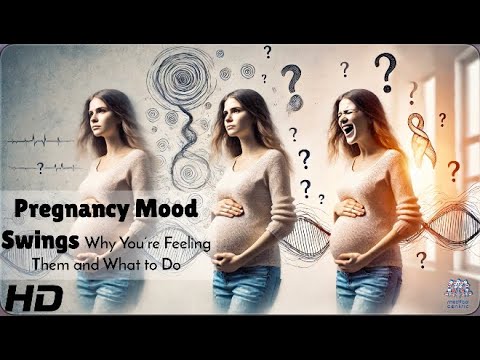
Okay, so let’s chat about something that doesn’t get enough spotlight: pregnancy hormones. You know, those little chemical messengers that can turn your world upside down. Seriously.
One minute you’re feeling like a total rockstar, and the next, you’re crying over a commercial about puppies. It’s wild! But guess what? Those hormones are doing their thing, and it’s not just in your head.
And it matters—like, a lot. Your mental health during pregnancy is super important. So, let’s dig into how those hormonal shifts can impact your emotions and overall vibe. Trust me; it’s more relatable than you think!
Exploring the Impact of Pregnancy Hormones on Mental Health: Can They Trigger Mental Illness?
Pregnancy hormones have a pretty big influence on your body—physically and mentally. It’s wild how during pregnancy, your hormones skyrocket. Just think about it: estrogen and progesterone levels increase way more than usual, and this can bring about a whole mix of emotions.
So, what’s the deal with these hormones and mental health? Well, when you’re pregnant, those hormone shifts can mess with your brain chemistry. For some women, this results in feelings of happiness and excitement. But for others? Not so much. Some might experience mood swings or heightened anxiety levels.
Here are a few key points on how pregnancy hormones can affect mental health:
Now let’s talk about an example: imagine Sarah, who was super excited to become a mom. But as her pregnancy progressed, she found herself crying over little things or feeling anxious about everything from baby names to finances. She didn’t understand why she felt this way until she learned more about how her body was changing.
So what can be done? If you’re pregnant or planning to be and start feeling really low or anxious, talking to someone—a friend or a therapist—can really help clear things up. It doesn’t have to be scary; lots of folks go through similar experiences.
The bottom line is that while those pregnancy hormones are necessary for growing that little one inside you, they also have real effects on your mental well-being. It’s completely normal to experience emotional swings during this period; but if it’s affecting your day-to-day life, don’t hesitate to reach out for help! You’re definitely not alone in feeling this way—it happens more than you’d think!
Exploring the Emotional and Mental Health Impacts of Pregnancy: What You Need to Know
Pregnancy is a wild ride, isn’t it? You’ve got the excitement of a new life, but also a rollercoaster of emotions. And let’s be real: those pregnancy hormones play a major role in how you feel during those nine months. It’s not just about cravings or mood swings; it can really impact your mental health too.
First off, hormonal changes are intense. Your body is flooded with different hormones like estrogen and progesterone. These fluctuations can lead to everything from feelings of joy to some pretty heavy anxiety or sadness. Imagine waking up super happy one day and then feeling down the next—totally normal!
Stress can also come into play. For some folks, the pressure to be the “perfect mom” can get overwhelming, especially if you’re dealing with other life stresses at the same time. You might find yourself worrying about finances, baby names, or even how you’ll adjust once the baby arrives.
Another major point here is that support systems are crucial. During pregnancy, having a solid support network—like friends, family, or even a partner—can make all the difference. When you feel like you’re surrounded by love and help, it eases that emotional burden. But if you’re feeling isolated or unsupported? That can lead to feelings of sadness or anxiety amplifying.
And let’s not overlook postpartum mental health either. After giving birth, many women experience what’s called “baby blues,” which includes mood swings and tears for no reason. But when those feelings don’t go away—even after two weeks—it might be something more serious like postpartum depression (PPD). PPD affects around 1 in 7 women’ and recognizing that help is available can be life-changing.
Here are some things to keep in mind regarding your emotional health during pregnancy:
- Talk about your feelings: Don’t bottle things up! Whether it’s with friends or professionals, open conversations help.
- Stay active: Light exercise can boost your mood and energy levels.
- Embrace self-care: Take time for yourself; it could be as simple as relaxing with a good book.
- Acknowledge changes: Understand that feeling anxious or sad sometimes doesn’t mean there’s something wrong with you.
- Consider professional support: If you’re struggling more than you’d like, therapists who specialize in maternity issues can provide valuable help.
In short, navigating pregnancy isn’t just about preparing for baby gear and nursery colors; it’s also about taking care of your mental health. Remember that it’s okay to feel all sorts of emotions along the way! Keeping an eye on how those hormones are making you feel—and knowing when to reach out—can seriously change the game for your emotional journey through this unique phase of life.
Understanding the Emotional Impact of Pregnancy Hormones: Why Do They Make You Cry?
Pregnancy is a rollercoaster ride, isn’t it? You’ve probably heard stories about how hormones can turn the sweetest person into a teary-eyed mess. Well, there’s actually a lot going on under the surface. Let’s break down why those pregnancy hormones can make you cry more than usual.
First off, it’s important to understand what these hormones are doing in your body. During pregnancy, your body produces a surge of hormones like estrogen and progesterone. Estrogen goes up like a rocket, while progesterone chills out with some relaxation vibes. This hormonal cocktail is essential for your baby’s development but can also impact your emotions a ton.
So why do you feel like crying at the drop of a hat? Well, one reason is that these hormones can mess with your neurotransmitters. These little guys are responsible for carrying signals in your brain that regulate emotion. When they’re thrown out of balance, you might find yourself crying over things that normally wouldn’t phase you—like an adorable puppy video or even just getting out of bed.
And let’s talk about physical changes too! Your body is literally creating life, which isn’t just a walk in the park. You might be feeling discomfort, fatigue, or even nausea. That inconsistency in how you feel physically can totally affect your mood and make tears come easier than normal.
Another big factor? The emotional weight of impending motherhood can be overwhelming! You may experience anxiety about the health of your baby or how life will change once they’re here. This mental load can lead to feelings of sadness or frustration that bubble up as crying.
Also consider this: societal expectations and personal experiences play a role too. Many people expect moms-to-be to be glowing and radiant all the time but—spoiler alert—everyone has tough days! Feeling pressure to uphold that image might make it harder for you to express those raw emotions without breaking down.
And let’s not forget about support systems! If you’re stressed because you’re not getting enough help from family or friends—or maybe you’re facing some challenges alone—it makes sense that everything might start feeling heavier emotionally.
Plus, there’s something called “the baby blues,” which often kicks in around childbirth and can continue for weeks afterward. It’s pretty common; around 70-80% of new moms experience it to varying degrees. So if you’re feeling all kinds of emotions post-birth along with pregnancy ones? Totally normal!
In short:
- The hormonal surge affects neurotransmitters, which alters moods.
- Physical discomfort or fatigue can influence emotional well-being.
- Anxiety about motherhood contributes to heightened emotions.
- Pressure from society adds stress and creates unrealistic expectations.
- A support system (or lack thereof) can really impact how you feel.
Remember that crying during pregnancy doesn’t mean something’s wrong with you—it’s just part of this wild journey called motherhood! If things ever feel too much though—or if those tears keep flowing long after giving birth—don’t hesitate to reach out for support from loved ones or professionals who get it. You’re not alone in this!
Pregnancy is a wild ride, right? Just think about all those hormones swirling around in your body like an emotional rollercoaster. It’s pretty fascinating—and also a little overwhelming. When you’re pregnant, it feels like your feelings are on overdrive, and that can mess with your mental health in ways you might not expect.
You know, my friend Sara went through this when she was pregnant with her first child. One minute she’d be excited and giddy, dreaming about nursery colors and baby names; the next, she’d burst into tears because she couldn’t find her favorite pair of socks. Seriously, socks! It was a whirlwind of emotions, and that’s just how hormones work during pregnancy.
The spike in hormones like estrogen and progesterone can really change how you feel day to day. Some folks feel more anxiety—they might worry about the baby’s health or how they’ll manage life after the baby arrives. Others experience mood swings that feel larger than life. You’re happy one moment, then suddenly feeling rage over something small—or worse yet, everything feels sad and heavy for no reason at all.
And it’s not just the pregnancy hormones doing their thing. There’s also a lot of societal pressure that can add stress. People have opinions about everything from how you should eat to what kind of birth plan you should follow. It’s enough to make anyone feel anxious or insecure.
But here’s the deal: recognizing these feelings as part of a natural process is key. It’s totally okay to feel all sorts of things during this time—joy, fear, excitement—all mixed together! Knowing you’re not alone in this helps a lot too. Whether it’s chatting with friends who’ve been through it or even looking into support groups, connecting with others can lighten the load.
So if you’re going through it or know someone who is, remember: it’s okay to feel everything under the sun during pregnancy—you’re literally growing another human being! And taking care of your mental health matters just as much as taking those prenatal vitamins does. Balance is key; don’t hesitate to seek support if things get too overwhelming because there’s help out there for emotional ups and downs alike.