So, you’re pregnant, huh? Congrats! But… wait. Are you feeling all sorts of wild emotions? That’s totally normal. Pregnancy can be a beautiful thing, but it’s also a total rollercoaster for your mind.
One minute you’re over the moon, and the next you’re spiraling into worry over every little thing. Like, did I eat enough veggies today? Am I supposed to feel this anxious? You know what I mean?
Seriously, those thoughts can hit like a brick sometimes. It’s easy to feel overwhelmed and anxious about everything from baby names to whether you’ll be a good parent. And let me tell you—it’s okay to feel that way!
Navigating through these pregnancy challenges is no joke. But, hey—you’re not alone in this! Let’s chat about some of those feelings and how to handle them without losing your mind.
Managing Extreme Pregnancy Paranoia: Effective Strategies for Expecting Mothers
Pregnancy is an amazing journey, but it can come with a heap of worries. Like, seriously, some expecting mothers experience extreme paranoia about their health and their baby’s well-being. It’s totally normal to have these anxious thoughts, but managing them is key to enjoying the ride. Here’s how you can tackle that overwhelming paranoia.
First off, acknowledge your feelings. It’s perfectly okay to feel anxious! You’re going through a huge life change. Your body is doing stuff that can feel out of control. Remember when Sarah, a close friend of mine, thought she was sick every other week during her pregnancy? She’d Google every symptom and spiral into worry. Recognizing that her fears were typical helped her breathe a little easier.
Next up, talk it out. Seriously, don’t bottle it all up. Share your thoughts with your partner or friends who understand what you’re going through. Venting those fears can lighten the load. Just chatting with someone who gets it can help you feel less alone in this experience.
Another thing that helps is practicing mindfulness. Techniques like deep breathing or yoga can ground you when anxiety levels spike. Try taking five minutes each day to focus on your breath or do some gentle stretches. You’ll be surprised how much lighter you feel afterward!
Also, limit information overload. I know we live in the age of information (thanks Google), but too much knowledge can fuel fear instead of calming it down. If diving into forums makes you more anxious than relaxed, take a break from them for a while.
You might want to set realistic expectations. Not everything will go perfectly during pregnancy—there will be ups and downs; that’s just life! If you’re constantly worried about every little thing being perfect, anxiety will just keep creeping in.
And let’s not forget about reaching out for professional help if things feel like they’re spiraling out of control. Therapists are trained to help people manage anxiety and stress—or other mental health challenges—so don’t hesitate to seek support if needed.
Lastly, connect with other expecting moms. Whether through online groups or local meet-ups, find people who are experiencing similar feelings and challenges as you are right now. Sometimes just knowing others are on the same journey really makes all the difference.
Remember—no matter how intense your worries might feel at times, you’re not alone in this whole pregnancy rollercoaster! Embracing these strategies might not make all the fear disappear completely but they’ll probably make things way more manageable for both you and your baby as you navigate this beautiful yet sometimes scary adventure together!
Understanding Pregnancy Paranoia: Causes and Coping Strategies for Expecting Moms
Pregnancy is like this incredible journey, but it can also come with a side of anxiety, you know? If you’re expecting and feeling a bit paranoid, just know you’re not alone. This thing called pregnancy paranoia can hit hard. Let’s break it down.
First off, what exactly is pregnancy paranoia? Well, it’s basically when an expecting mom starts worrying excessively about her baby’s health and safety. These thoughts might range from wild scenarios about what could go wrong to fears about being a good parent. It can feel overwhelming.
So why does this happen? There are a few factors:
- Hormonal changes: Your body is going through major shifts during pregnancy. Hormones are fluctuating like crazy, and that’s no picnic for your emotions. You might feel anxious or irritable without really understanding why.
- Physical changes: Let’s be real—your body is changing in ways you never imagined. Discomfort and weird symptoms might make you anxious about how your baby is doing inside.
- Social pressure: Everyone has an opinion on parenting. From family members to strangers in the grocery store, their comments can ramp up anxiety levels. It’s hard not to worry when there are so many voices telling you what to do.
- Past experiences: If you’ve had previous miscarriages or complicated pregnancies, those experiences can haunt you during this one. It’s completely understandable to have heightened fears.
So yeah, with all this swirling around in your head, it’s normal to feel paranoid sometimes.
Now let’s chat about some ways to cope with these feelings:
- Talk it out: Seriously, share your thoughts with someone who gets it—like a partner or a friend who has been through pregnancy. They might help calm those racing thoughts.
- Meditation and mindfulness: Finding time for relaxation techniques can be huge. Even just taking a few deep breaths whenever anxiety strikes can help center your thoughts.
- Create a support network: Surround yourself with positive people who encourage and uplift you instead of adding stress. Join mom groups or online communities where others share similar experiences.
- Professional help: If paranoia gets too intense, reaching out to a therapist isn’t just okay; it’s often super helpful! They can provide strategies tailored specifically for you.
And remember the importance of self-care! Make sure to carve out time for activities that recharge your batteries—even if it means getting cozy with a book or binge-watching that show everyone loves.
A little story here: One of my friends was eight months pregnant and started worrying constantly—was she eating enough healthy food? Was she prepared for labor? She was so stressed that she almost forgot how magical the experience should be! But once she opened up and talked with her doctor about her fears, everything changed for her mindset. They came up with relaxation techniques together which made her feel so much more grounded.
In short, if those paranoid feelings creep in while you’re pregnant, don’t sweat it too much; it’s pretty common stuff! Give yourself grace during this rollercoaster ride of emotions; after all, creating life is no small feat! Embrace the journey as best as you can; you’re gonna be an amazing mom!
Navigating Mental Health Challenges During Pregnancy: Essential Tips and Support
Pregnancy is a wild ride, isn’t it? Sure, there’s the excitement of feeling that little baby kick for the first time and all the sweet nursery planning. But on the flip side, it can bring a wave of mental health challenges that many don’t talk about. You might feel overwhelmed, anxious, or even paranoid. It’s totally normal to go through this! So, let’s break down some essential tips and support options to help you navigate these feelings.
Understanding Pregnancy Paranoia
First off, let’s get into what pregnancy paranoia can look like. Maybe you’re constantly worried that something might go wrong with your pregnancy or that you’re not going to be a good parent. Seriously, lots of pregnant people go through this. You’re not alone! Your mind can really spiral during these months.
Recognizing Signs of Mental Health Issues
You should keep an eye out for certain signs that might indicate deeper mental health issues:
- Extreme mood swings or irritability
- Persistent anxiety
- Feeling disconnected or numb
- Trouble sleeping or changes in appetite
If you notice any of these signs hanging around too long, it might be time to reach out for support.
Reaching Out for Support
This isn’t something you have to tackle on your own! Connecting with others really helps. Talking openly with your partner or friends about how you’re feeling can be a huge relief. And don’t forget about professionals! A therapist who specializes in pregnancy-related issues can provide guidance on managing anxiety and depression during this time.
Finding Your Tribe
Support groups are another great option! Finding others who are experiencing similar things can make all the difference. You might find local groups where you can share experiences. Or even online forums where you get advice and comfort.
Coping Mechanisms That Work
You know what else helps? Practicing self-care! Here are some handy ways to take care of yourself:
- Regular exercise; walking counts!
- Meditation or deep breathing exercises; honestly, they really calm those racing thoughts.
- Adequate sleep; naps are your friend!
- Nourishing foods; think fruits and veggies—real energy boosters!
You could also try journaling your feelings. Writing down what’s swirling in your mind can help clear your head and put things into perspective.
Simplifying Information Overload
The thing is, pregnancy comes with tons of information—and it can feel heavy sometimes. When reading about parenting techniques or baby milestones starts stressing you out more than helping you relax, pause! Take a step back from all those articles and focus on what matters: caring for yourself and enjoying this journey as much as possible.
Your Emotions Are Valid!
No matter how messy or chaotic things feel right now, remember: your emotions are valid!. It’s okay not to have everything figured out while growing your little one. Acknowledge how you’re feeling without judgment—talking about it will lighten that load.
Navigating mental health challenges during pregnancy isn’t easy at all—but there’s light at the end of the tunnel! With support from loved ones and professionals alike along with some solid coping mechanisms in place, you’ll find ways to manage those ups and downs like a champ.
Pregnancy is supposed to be this magical time, right? You know, glowing skin, baby kicks, and all that good stuff. But let’s be real—there’s also a heap of anxiety mixed in with the excitement. It can feel like a rollercoaster, and not the fun kind. Seriously, have you ever felt that gnawing worry about what could go wrong?
I remember when my friend Sarah was pregnant. She was all about planning and reading every book under the sun. But then those little paranoid thoughts crept in—what if something bad happened during birth? What if she wasn’t ready? It all spiraled into sleepless nights filled with what-ifs that were pretty hard to shake off. I mean, it’s like your brain becomes this echo chamber of fear.
And it’s not just about the big stuff either. Everyday triggers can make everything feel overwhelming. You might start stressing over baby names or nursery colors—it sounds silly until you’re neck-deep in it and your emotions are all over the place! You look around and see other moms doing fine, while you’re stuck feeling like a hot mess.
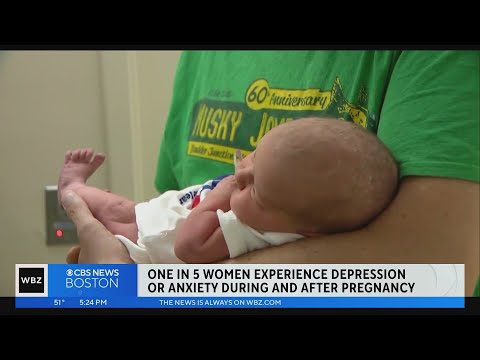
And here’s the kicker: pregnancy hormones can really mess with your mood too! Your body is going through huge changes—physically and emotionally—but no one really talks about how that can lead to anxiety or even depression. The stats say that around 15-20% of women experience these challenges during pregnancy (which is way more common than you’d think).
So what can help? First off, it’s crucial to talk about it! Whether that means opening up to your partner or chatting with friends who’ve been there. Just knowing you’re not alone can take some weight off your shoulders. And hey, sometimes professional support is helpful too—therapists are there for a reason!
At the end of the day, remember: it’s okay to feel anxious or overwhelmed sometimes. You’re doing something incredibly hard! Just take a step back when those fears start creeping in and give yourself some grace. Being pregnant is like navigating uncharted waters—just don’t forget to ask for help along the way when you need it!