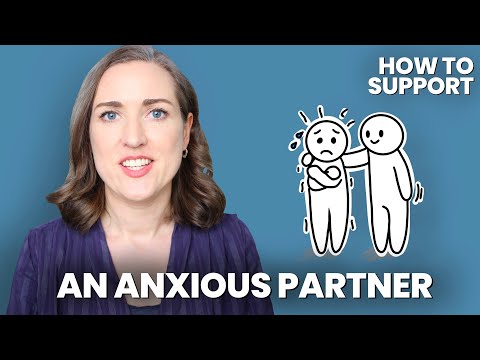
Okay, let’s talk about something real—attachment styles. Ever feel like your partner’s just a bit too clingy? Or maybe you find yourself constantly worrying if they’re still into you?
Welcome to the world of preoccupied attachment. It’s that push-and-pull vibe where love feels both amazing and, well, kind of overwhelming. You’re all in, but there’s this nagging fear of being abandoned.
Trust me, you’re not alone in this. A lot of us deal with it, but figuring it out can lead to healthier relationships. Let’s dig into what it means and how we can navigate this tricky territory together. Sound good?
Unlocking Healthy Relationships: Effective Strategies to Overcome Attachment Issues
When it comes to relationships, attachment styles can really shake things up. If you’ve got preoccupied attachment, then you might feel anxious about where you stand with your partner. Like, you’re always seeking reassurance and might even cling on a bit too tightly. Sound familiar?
The thing is, this kind of attachment often stems from early experiences in childhood. Maybe your caregivers were inconsistent—sometimes they were there for you, and other times they weren’t. So now, in adulthood, this uncertainty shows up in your relationships. You might worry about being abandoned or not being loved enough.
So how do you tackle this? Well, first off, let’s talk about self-awareness. Recognizing your attachment style is a big deal. Start by asking yourself questions: Why do I feel anxious when my partner doesn’t text back right away? What triggers my fears of abandonment? Getting to the root of these feelings can help you understand yourself better.
Next up is communication. Seriously, talking openly with your partner can make a world of difference! It’s all about expressing what you need without sounding needy or demanding. For instance, if you’re feeling insecure one day, instead of bottling it up or snapping at them for no reason—just say something like “Hey, I’m feeling a bit off today; can we chat?” It helps build trust and makes you feel supported.
- Practice self-soothing techniques. When anxiety hits, take a moment to breathe deeply or practice mindfulness. Have you ever noticed how just sitting still for a minute can clear your head? It really does!
- Avoid overthinking and obsession. Sure, it’s tempting to replay past conversations over and over in your head. But that usually just leads to more anxiety! Try redirecting those thoughts—like picking up a new hobby or diving into a good book.
- Set healthy boundaries. This one’s crucial! Letting your partner know what feels comfortable for both of you can ease some tension. For example, if needing alone time is important to recharge after a long week at work—express that need upfront!
- Cultivate independence. Engaging in activities solo is super empowering! Whether it’s going out with friends or taking that painting class you’ve always thought about—these experiences help bolster your sense of self outside the relationship.
A little anecdote here: A friend once told me how her relationship was rocky because she’d constantly check her partner’s social media during fights. Each time she saw something that made her anxious—bam! Overthinking kicked into high gear! After working on her self-awareness and communication skills, she shared those feelings with him instead of spiraling into anxiety alone. It changed everything. Now they’re closer than ever!
If you’re open to it, consider seeking professional help too—that way you’re not navigating this journey alone. A therapist can give tailored strategies and support on the path towards healthier relationships.
Overcoming preoccupied attachment definitely takes time and effort—it’s like training for some serious emotional fitness—but the rewards? Totally worth it! You’ll find more peace within yourself and improve your relationship dynamics at the same time!
Unraveling Preoccupied Attachment: Key Triggers and Their Impact on Relationships
Understanding preoccupied attachment can feel like peeling an onion—there’s a lot to uncover, and it might just make you cry a little. So, let’s break it down.
What is Preoccupied Attachment?
This style springs from early experiences where love felt inconsistent or conditional. You might find yourself constantly seeking approval or reassurance from your partner. It’s almost like you’re on a seesaw, swinging between feeling super close and then panicking about losing that connection.
Key Triggers of Preoccupied Attachment
The thing with preoccupied attachment is that certain triggers can send you into a tailspin. Here’s what to watch for:
- Perceived Rejection: If your partner seems distant or unresponsive, it can feel like the end of the world.
- Lack of Communication: Not hearing from them for a few hours? Your mind might go straight to the worst-case scenarios.
- Past Experiences: Old wounds can sneak up on you. A small argument could remind you of bigger conflicts in previous relationships.
- Changes in Routine: If your partner suddenly has less time for you, it might trigger feelings of abandonment.
Consider Sara, who often feels anxious when her boyfriend doesn’t text back right away. She spirals into thoughts like “Does he not care?” or “What if he’s losing interest?” Those thoughts, while common for someone with preoccupied attachment, can create huge rifts in her relationship.
The Impact on Relationships
When those triggers hit, your reactions can really change the dynamic between you and your partner. You might end up clingy, seeking constant validation, or even acting out in frustration if you feel neglected. It’s all about that tightrope walk between wanting closeness and fearing abandonment.
Additionally, preoccupied individuals often misinterpret their partner’s actions because they’re always on high alert for possible signs of rejection. This hyper-vigilance can lead to misunderstandings that whip up unnecessary drama—a recipe for relationship stress.
And let’s not forget—the more anxious one feels in a relationship, the more demanding they may become. You might catch yourself asking “Do you love me?” way too frequently or checking up on your partner more than what feels natural.
Coping Strategies
Of course, recognizing these patterns is a solid first step. But what else can help? Here are some ideas:
- Acknowledge Your Feelings: Seriously! It’s okay to say “I’m feeling insecure right now.” That acknowledgment alone can help ease tension.
- Open Communication: Talk honestly with your partner about how you’re feeling without placing blame.
- Breathe!: When triggers appear, take a moment to breathe deeply and ground yourself before reacting.
- Therapy Can Help: Sometimes it helps to work through these patterns with someone trained—just having another perspective can be enlightening!
By using these strategies and understanding your triggers better, navigating through relationships becomes more manageable—even freeing at times! The emotions tied to this attachment style don’t have to dictate every interaction; they just need some care and attention.
So as tough as dealing with preoccupied attachment can be at times—seriously—it doesn’t have to define you or your relationships forever!
Understanding Preoccupied Attachment: Strategies for Healthier Adult Relationships
Understanding preoccupied attachment is like shining a light on the way we connect with others in our adult relationships. People with this attachment style often crave closeness and reassurance but can feel anxious about their partner’s love or commitment. You might find yourself constantly worrying if your loved one still cares or if they’re going to leave you. And let me tell you, that can take a toll on your relationship.
So, what is preoccupied attachment? It usually stems from childhood experiences where caregivers were inconsistent. Sometimes they were there emotionally, and other times they weren’t. As a result, it creates this internal struggle in adulthood: you want to feel loved and secure, but you’re also scared of being abandoned or rejected.
Being in a relationship with someone who has a preoccupied style can be tricky. You may need constant validation from your partner and feel hurt easily when they don’t respond in the way you want them to. It’s like waiting for a text back that never comes, leading to moments of panic where you imagine the worst-case scenarios.
Here are some strategies to work through this:
Take Sarah’s story as an example—she had a habit of bombarding her boyfriend with messages whenever he was late coming home from work because she feared he might abandon her. Over time, she learned through therapy about preoccupied attachment and started discussing her feelings instead of just reacting out of anxiety.
In relationships where both partners understand these dynamics, creating a secure bond is totally possible! You know? It’s about mutual support and growth together while recognizing each other’s emotional landscapes.
If you’ve got this attachment style, remember it’s not set in stone. With effort and awareness, it can change over time! Building healthier relationships isn’t just dreamland; it’s achievable with patience and understanding—both within yourself and with those you care about.
You know, navigating relationships can be tricky for a lot of people, especially when it comes to attachment styles. One that really stands out is preoccupied attachment. You might be wondering what that means. Well, it’s basically when someone feels overly dependent on their partner for emotional support and validation. It often stems from childhood experiences where love and care felt inconsistent or anxious.
I remember a friend of mine who was always worried about her boyfriend leaving her. She’d check her phone constantly, anxious every time a text didn’t come through immediately. It was tough to watch because while she loved him deeply, she couldn’t help but feel that if he wasn’t totally focused on her all the time, it meant something was wrong. And guess what? That stress put a strain on their relationship. He felt suffocated, and she felt abandoned. A classic cycle, huh?
It’s interesting how preoccupied attachment can make you feel like you’re on this emotional rollercoaster—super high one moment when everything’s going well, then crashing down when doubt creeps in. You know that feeling right? Like you’re constantly trying to read the signs to make sure your partner is still invested in you.
And let’s be honest; nobody wants their relationship to feel like an uphill battle. But getting a grip on why you might function this way can be really enlightening. If you’re the one feeling preoccupied—a tad clingy or overly concerned about how your partner feels—it’s worth taking some time to explore those feelings. Talking with someone outside of the relationship can help unravel those tangled emotions.
So here’s the thing: it’s okay to need reassurance sometimes; we all do! But balance is key here—finding ways to soothe your own worries is crucial too. Sometimes just being aware of these patterns is half the battle won.
In short, navigating preoccupied attachment means embracing your feelings while also giving yourself room to breathe and grow—both individually and as a couple. And hey, that’s not so scary after all!