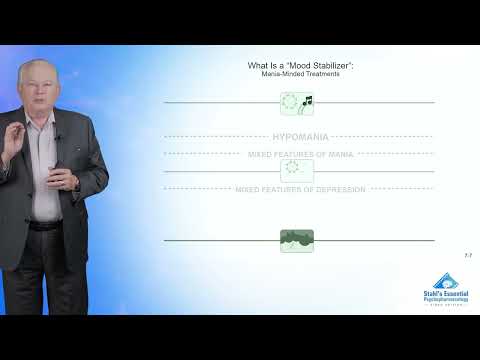
Alright, let’s chat about mood stabilizers for a sec. You know, those medications that help keep your emotional rollercoaster in check?
Sometimes life throws unexpected stuff at you, and your emotions can feel totally all over the place. It can get pretty overwhelming. I’ve seen friends struggle with it—like, one minute they’re on top of the world, and the next, they’re just sad and confused.
So, what’s the deal with these mood stabilizers? They’re like a safety net for your feelings. They help make sure you don’t crash too hard when things get rocky.
Let’s break it down together!
Understanding Mood Stabilizers: Their Key Role in Mental Health Treatment
Mood stabilizers, huh? They play a pretty big part in mental health treatment, especially for folks dealing with mood disorders like bipolar disorder. So, let’s break this down a bit so it makes sense.
First off, mood stabilizers are medications designed to help balance out your mood swings. You know how sometimes you feel super high and happy, then suddenly super low? Yeah, that’s what these meds are trying to manage. Instead of letting those ups and downs take over your life, these little guys work to even things out.
What do they do? Well, basically, they aim to reduce the intensity of mood swings and help maintain a more stable baseline. Instead of being on an emotional rollercoaster, you start to feel more grounded. Imagine having a day where you don’t swing from euphoria to despair—that sounds nice right?
Now let’s talk about some common types of mood stabilizers. You’ve probably heard of lithium; that one’s been around forever. It can be really effective but does require regular blood tests because it affects kidney function. Then there are anticonvulsants like valproate or lamotrigine—they’re originally intended for epilepsy but have found their niche in mood stabilization as well.
And there’s also atypical antipsychotics such as quetiapine or aripiprazole that can serve as mood stabilizers too. They might not be the first choice but they can definitely help when other options aren’t cutting it.
Side effects? Yeah, you kind of have to watch out for those. Weight gain is pretty common with some of these meds—definitely something to discuss with your doc if that’s a concern. There might also be some drowsiness or cognitive fog at first as your body adjusts.
I remember my friend Sam who had been struggling with the ups and downs of bipolar disorder for years. He was hesitant about taking medication at first because he was worried about side effects and feeling “flat.” But once he started on a mood stabilizer and found the right dose, his world changed! He could finally focus on school and his hobbies without constantly worrying about when the next wave would hit him.
It’s crucial for anyone considering these meds to have open conversations with their healthcare providers. Your doctor will guide you through finding the right medication—and dosage—for you!
Long-term use can be part of managing conditions like bipolar disorder effectively over time. It really is about finding that balance between managing symptoms while still feeling like yourself—whatever that means for you personally.
So yeah, if you’re dealing with significant mood fluctuations or have been diagnosed with something like bipolar disorder, don’t hesitate to discuss mood stabilizers with your healthcare provider! They could potentially help bring back some stability into your life when things feel all over the place.
Exploring the Key Components of Mental Health: A Comprehensive Guide
Mental health is a big deal, and it’s super important we talk about it openly. The thing is, mental health isn’t just about the absence of illness. It’s more about how we feel, think, and act and how these things play into our everyday lives. One key component of mental health care that often comes up is mood stabilizers.
Mood stabilizers are medications primarily used to treat mood disorders like bipolar disorder or severe depression. They help keep your moods from swinging too far in either direction—whether that’s too high (mania) or too low (depression). Basically, they help you find a middle ground.
There are a few types of mood stabilizers out there, and they work in different ways:
- Lithium – This is one of the oldest mood stabilizers. It can be super effective but requires regular blood tests to make sure it’s not causing any problems.
- Anticonvulsants – This category includes medications like valproate or lamotrigine. Originally used for seizures, they can also help with mood stabilization.
- Atypical antipsychotics – Some people don’t realize that these can also serve as mood stabilizers. Drugs like olanzapine might be prescribed for managing moods.
So why would someone want to take these medications? Well, imagine you’re riding a rollercoaster of emotions—one minute you’re on top of the world feeling invincible; the next you’re in a deep pit of despair. It can be exhausting! Mood stabilizers aim to smooth out those ups and downs so you can just, you know, feel more stable day-to-day.
A friend of mine once struggled with bipolar disorder. Some days were bright; it felt like he could conquer anything! But then came days when even getting out of bed felt like scaling Mount Everest. After starting medication—with some sessions with a therapist too—he noticed he could handle stress better and didn’t feel so lost in his own head anymore.
Of course, taking medication isn’t the only part of mental health care. Therapy plays an equally vital role; many find it helpful to combine both meds and talking through feelings and strategies with someone who gets it.
You should know that everyone reacts differently to medications—what works wonders for one person might not do much for another. That’s why it’s essential to have open conversations with your doctor about how you’re feeling on your meds and any side effects you notice.
Mood stabilizers can be lifesavers but remember they’re just one piece of the puzzle when it comes to taking care of your mental health. Finding what works best for you often involves some trial and error alongside support from healthcare professionals who really understand what’s going on inside your mind.
Mental health matters—a lot—and talking about options like mood stabilizers helps break down stigma while empowering those who need support on their journey towards feeling better!
Unlocking Wellness: The Vital Role of Medication in Mental Health Management
The conversation around mental health can feel overwhelming, especially when it comes to medication. Mood stabilizers are one of the key players in helping folks manage conditions like bipolar disorder, anxiety, and depression. You might be wondering how they really work and why they’re so important. Let’s break it down a bit.
First off, mood stabilizers help keep your emotions in check. Imagine your moods as a rollercoaster—up and down, with scary dips that leave you feeling all kinds of unstable. Well, these medications act like the safety bar on that ride, helping to smooth out those wild turns. They help prevent extreme highs (mania) and lows (depression), allowing for a more stable emotional experience.
There are a few different types of mood stabilizers out there.
Each works a little differently but aims for the same goal: keeping your mood steady. It’s fascinating how each of these can make such a difference for someone battling mood swings or intense emotions.
Let’s talk about lithium—it’s kind of the OG mood stabilizer. People have been using this for decades! Studies show that lithium not only helps prevent manic episodes but also lowers the risk of suicide in people with bipolar disorder. That’s some heavy stuff right there!
Then there’s valproate, which is often used when lithium isn’t cutting it or isn’t an option due to side effects or other concerns. It can still be super effective at controlling mania and preventing those dreaded depressive episodes.
But hey, it’s important to remember: medication isn’t always a quick fix. It takes time to find what works best for you because everyone’s brain is kind of unique—you know? Sometimes you’ll need adjustments before you hit the right balance.
Another point worth mentioning is that these medications can come with side effects—like weight gain or fatigue—so it’s essential to have open conversations with your doctor about what you’re experiencing over time.
It’s all about getting comfortable with trials and errors until you figure out what feels right.
Alongside medication, therapy often plays a huge role in managing mental health too. Think of meds as part of an overall wellness plan that might also include counseling or support groups—they’re not doing this alone!
If we bring it back home, let’s remember that asking for help isn’t easy but so necessary sometimes! There was this one person I knew who felt completely overwhelmed by their mood swings until they started on medication combined with therapy sessions—it was like watching night turn to day for them.
In terms of managing mental health care in the U.S., accessing these medications varies widely based on where you live and your insurance plan’s coverage clauses.
Finding a good doctor who listens can make all the difference too!
So yeah, while mood stabilizers aren’t magic pills that solve everything overnight, they’re definitely an essential piece in many people’s journeys toward better mental health management.
Mood stabilizers, huh? Those little pills that seem to play such a big role in mental health care. They hold a special place in the toolkit of many people dealing with conditions like bipolar disorder or severe depression. I mean, it’s amazing how something so small can help shape someone’s day-to-day life.
I remember chatting with a friend who had struggled for years with her mood swings. She’d go from feeling on top of the world one moment to spiraling down into despair the next. It was heartbreaking to watch, honestly. When she finally started taking mood stabilizers, it felt like she was coming up for air after being underwater for way too long. Her mood swings calmed down. She could think clearer and actually enjoy life again.
So, what’s the deal with these meds? Well, they work by balancing out those wild mood changes. You know how some days you just feel totally off-kilter? Like your emotions are doing a rollercoaster ride without you? Mood stabilizers help lessen that chaos, keeping things on an even keel.
But here’s the thing: they’re not a magic fix-all—like waving a wand and everything’s perfect again. People often have to try different ones before finding what clicks for them. And let’s not forget about side effects; not everyone responds to these meds in the same way. Sometimes it can be frustrating when you’re trying to figure out what works best for you or someone you care about.
Then there’s the stigma around medication in mental health care. Some people think using meds means “you’re weak” or “can’t cope.” But seriously, if your body needed insulin because you had diabetes, wouldn’t you take it? Using mood stabilizers is kinda like that—it can just be part of managing mental health better.
They’re often paired with therapy too—because working with someone trained can help tackle those patterns and feelings that sometimes bubble up when you least expect them to. It’s all about creating a balanced approach to wellness.
At the end of the day, though, these meds can be lifesavers for many folks dealing with intense mood issues. They don’t define someone; they’re just part of their story—a tool that helps create better chapters ahead!