You know that voice in your head that sometimes says, “You’re not good enough” or “Why even try?” Yeah, that one. It can be a real pain, right?
These thoughts can totally mess with your day-to-day life. They creep in when you least expect it—like when you’re trying to fall asleep or just chill out on the couch.
But here’s the thing: you aren’t stuck with those thoughts forever. Seriously!
Challenging those sneaky little beliefs is possible, and it can change everything. So let’s chat about how to recognize them and give them a run for their money. Sound good?
Transform Your Mind: 7 Effective Strategies to Stop Negative Thinking Patterns
It’s tough when your mind keeps replaying the same negative thoughts over and over. Like a broken record, right? Those pesky patterns can really drag you down. But don’t worry! There are ways to shake things up. Here are some effective strategies that can help you transform your thinking.
1. Challenge Your Thoughts
When negative thoughts creep in, take a moment to question them. Ask yourself, «Is this thought really true?» or «What evidence do I have?» It’s kind of like putting your brain on trial. For example, if you think, “I always mess things up,” consider times when you didn’t.
2. Reframe Your Perspective
Instead of seeing situations as failures, try looking at them as opportunities to learn. It’s not about ignoring the bad stuff; it’s about shifting how you view it. Like, if you didn’t get that job, think of it this way: maybe it wasn’t the right fit for you anyway.
3. Practice Gratitude
Take a moment each day to think about what you’re grateful for. Seriously! It could be something simple like enjoying your morning coffee or getting a text from a friend. Writing these down can shift your focus from what’s wrong to what’s good in your life.
4. Mindfulness and Meditation
These practices help you stay present and can reduce anxiety about past or future events. Just sitting quietly for a few minutes each day can help clear out those negative thoughts swirling in your head. You might even find that breathing deeply eases those racing thoughts.
5. Surround Yourself with Positivity
The people around you can really influence your mindset! Spend time with folks who uplift and support you rather than those who bring negativity into your life. It makes a huge difference when you’re surrounded by positive energy.
6. Limit Negative Media Exposure
Think about how much time you spend on social media or watching the news—much of it can be pretty heavy! Reducing exposure to negativity in media can help keep those dark thoughts at bay.
7. Seek Professional Support
Sometimes, talking to someone trained in helping others through these issues is super beneficial! Therapists offer tools and strategies tailored just for you, helping combat negative thinking effectively.
Changing how we think isn’t always easy—it takes practice and patience! Everyone has off days where negativity sneaks in; that’s just part of being human, honestly! But by using these strategies consistently, you’ll start noticing those bright spots peeking through the clouds of doubt and negativity—like little rays of sunshine breaking through a stormy sky!
Understanding Distorted Thinking: Mental Illnesses That Contribute to Cognitive Distortions
Distorted thinking, huh? It’s like wearing funky glasses that make everything look off. You might think one little thing means the end of the world, or feel like everyone’s out to get you. Seriously, it can mess with your mind and how you see life. Let’s break this down a bit.
Many mental illnesses are linked to cognitive distortions. Cognitive distortions are basically biased ways of thinking that lead to negative feelings and behaviors. They can twist your perception of reality. And believe me, it happens a lot more than you think.
- Depression: This is a big one for distorted thinking. People often fall into a trap of all-or-nothing thoughts. If they don’t succeed at something, they feel like total failures. Imagine failing a test and thinking you’re dumb forever—yikes!
- Anxiety: Anxiety loves its own brand of distortions too! People might overthink every little detail, believing that the worst possible outcome is going to happen. Like worrying about what people will say if you stumble during a speech—when most folks probably won’t even remember!
- Bipolar Disorder: During manic episodes, someone might think they can conquer the world! They could believe that they’re invincible or capable of things beyond their reach—like taking on five jobs at once without breaking a sweat.
- Obsessive-Compulsive Disorder (OCD): With OCD, distorted thinking often revolves around control and harm. You might constantly worry that if you don’t perform certain rituals, something terrible will happen—like your family getting hurt or your house burning down.
- Post-Traumatic Stress Disorder (PTSD): After trauma, some people struggle with beliefs that the world is unsafe or that they’re worthless because of what happened to them. It’s devastating how these thoughts can trap someone in their pain.
So why do we fall into these distortion traps? Well, experiences shape our thoughts and beliefs about ourselves and the world around us. A single harsh comment in childhood could morph into a lifelong belief that you’re unlovable! That’s pretty heavy when you think about it.
You know what’s wild? Challenging these thoughts takes practice! It’s not about flipping a switch; it’s more like training for a sport. A therapist might help by showing you how to spot those pesky distorted thoughts and replace them with more realistic perspectives.
And hey, nobody’s perfect! Everyone has moments of distorted thinking now and then—it’s part of being human. But when it spirals out of control due to mental illness? That’s when it gets tricky.
Recognizing these thought patterns can help pave the way for healthier thinking habits over time. It’s like finding those right glasses again so you see things more clearly. So take heart; there are ways to untangle those baffling thoughts!
So yeah, understanding distorted thinking is key in navigating mental health challenges—it helps shed light on how we perceive ourselves and our environments instead of being caught in harmful cycles!
Exploring the 7 Types of Abnormal Thought Processes in Mental Health
Abnormal thought processes can really mess with your head. They can lead to misunderstandings, anxiety, and all sorts of emotional turmoil. Basically, these thoughts don’t help, and they often make things worse. Let’s break down seven common types of these problematic thinking patterns.
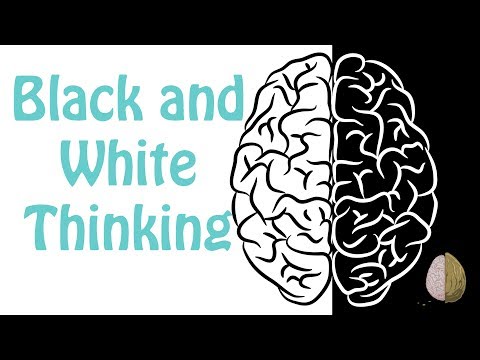
- All-or-Nothing Thinking: This is when you see things in black and white. It’s like saying if you don’t get an A on a test, you’re a total failure. Seriously, life doesn’t always work that way; there are shades of gray in between!
- Overgeneralization: Here’s the deal: one bad event leads to a blanket statement about life. Like if you had one bad relationship and now think all relationships will suck. That’s just not true, you know?
- Mental Filter: This one’s tricky—ever focus on the negative while ignoring the positives? Like getting ten compliments but only stressing over that one rude comment? It’s like wearing rose-colored glasses but only seeing the smudges!
- Disqualifying the Positive: You might do something great, but then brush it off as luck or say it doesn’t count for some reason. For example, if someone praises your performance at work and you say it was «no big deal,» you’re disqualifying the positive and selling yourself short.
- Catastrophizing: Oh boy! This is when you blow things out of proportion. If you’re late to a meeting and think you’ll get fired, that’s catastrophizing! Take a breath; usually it’s not as bad as we think.
- Emotional Reasoning: Emotions can feel super real and dictate your reality sometimes—not cool! Just because you’re feeling anxious doesn’t mean something terrible is definitely going to happen.
- ‘Should’ Statements: These are those pesky little statements that put pressure on us—like saying “I should be happier” or “I should exercise more.” They create guilt or frustration instead of motivation.
So what can you do about these thought patterns? Challenging these ideas often means recognizing them when they pop up and questioning their validity. Picture yourself arguing with those thoughts like you’re debating with a friend who’s being unrealistic.
Maybe take time for self-reflection or speak with someone who gets it—a therapist could help wrestle those thoughts into shape too! The key is understanding that thoughts aren’t facts; they’re just ideas bouncing around in your brain.
Nobody’s perfect at this stuff; we all have our moments of weird thinking. But by being aware of these seven common issues, you can start working towards healthier thought patterns—and isn’t that what we all want? A little less mental chaos in our lives sounds pretty good to me!
Okay, so let’s chat about this whole idea of problematic thinking patterns in mental health. You know how sometimes your mind just goes into overdrive, right? It’s like an old record player that keeps skipping to the same part over and over again. You start thinking things like, “I’ll never be good enough,” or “Nothing ever works out for me.”
I remember a time when I was stuck in that spiral. There was this week where I had a bunch of little setbacks—missed deadlines, messed up plans with friends—you name it. I just couldn’t shake off the feeling that I was a complete failure. The thing is, I wasn’t looking at the whole picture. Instead of seeing those moments as bumps in the road, my brain was convinced they were signs that something was seriously wrong with me.
So why do we get trapped in these loops? Well, it’s mostly our brains trying to protect us from hurt or disappointment. It makes sense when you think about it: if you expect the worst, you won’t be disappointed when things go south. But then, this habit can take root and become pretty toxic.
Breaking free from these patterns is tough but oh-so-necessary. Cognitive-behavioral therapy (CBT) is a popular way folks tackle this stuff because it digs into those thoughts and helps reframe them. Instead of saying “I’m terrible at everything,” you might learn to say, “I struggled with this one thing but that doesn’t define me.” Small shifts can make a huge difference.
And hey, it’s not just therapy that’s helpful here! Sometimes talking to friends or journaling can give you that little nudge you need to see things differently. I tried journaling once and found out I could write down all my worries—like dumping out my brain onto paper—and afterward, it felt lighter somehow.
Basically, challenging these thought patterns means accepting that it’s okay to have those negative thoughts pop up—it’s totally human—then figuring out how to shift gears instead of getting stuck in first gear forever. It takes time and practice, but every step forward counts!