Being a caregiver can be tough, right? Seriously, it’s like you’re juggling a million things at once. You want to support your loved ones, but where does that leave you?
You might feel overwhelmed or even stressed out. I get it. That’s why having professional caregivers around can make a world of difference.
They’re not just there for the person needing care; they’re like a lifeline for you too. Imagine having someone who knows the ropes and can step in when things get heavy.
So yeah, let’s chat about how these pros can help lighten the load and bring some peace back into your life.
10 Effective Strategies for Caregivers to Reduce Stress and Enhance Well-Being
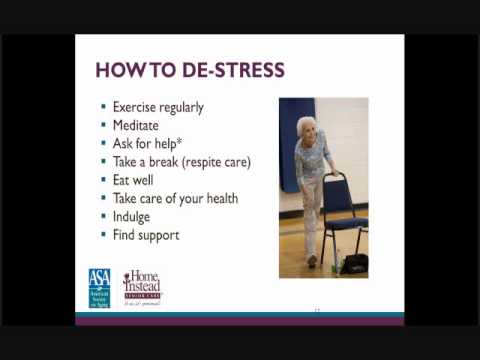
Caring for someone can be rewarding but also super stressful. You might find yourself juggling a ton of responsibilities—like managing medications, appointments, and emotional support. So, it’s really important to focus on your well-being too. Here are some effective strategies that caregivers can use to reduce stress.
- Set Boundaries: Establishing clear boundaries helps protect your time and energy. Say no when you need to. It’s okay to prioritize your needs!
- Practice Self-Care: This one sounds cliché, but seriously, you’ve got to take care of yourself first. Engage in activities that bring you joy or relaxation, like taking a walk or reading a book.
- Seek Support: Tap into community resources or join caregiver support groups. Connecting with others who understand what you’re going through can be a lifesaver.
- Take Breaks: Even small breaks matter! Step outside for fresh air or enjoy five minutes of quiet time. These mini-escapes can recharge your batteries.
- Pursue Hobbies: Remember those hobbies you used to love? Pick them up again! Whether it’s painting or gardening, doing something just for you is essential.
- Stay Organized: Juggling tasks can feel overwhelming. Use planners or apps to keep track of everything—appointments, medications—whatever makes life easier.
- Pediatric Talk Therapy: If stress feels like too much, consider talking to someone about it—a therapist or counselor can offer valuable perspectives and tools.
- Meditation and Mindfulness: Try short mindfulness exercises! Focusing on your breath for even a few minutes can ground you and reduce anxiety.
- Nourish Your Body: Eating well fuels both body and mind. Focus on balanced meals; they help maintain energy levels throughout the day.
- Laughter is Medicine: Seriously! Watch a funny movie or hang out with friends who make you laugh. Joyful moments help balance the heavy ones.
Okay, so here’s the thing: I once met a caregiver named Sarah who was absolutely crushed under the weight of her responsibilities. She burned out fast until she realized she was allowed to ask for help—like asking her siblings to pitch in more often. That simple move was such a game changer!
The key takeaway? Caregiving is vital work, but it shouldn’t come at the cost of your health and happiness. Take these strategies seriously; they really can lighten the load and promote your well-being while you’re doing an amazing job caring for others!
10 Effective Strategies to Manage Stress and Boost Your Mental Well-being
Stress can really weigh you down, huh? Especially if you’re a caregiver, juggling responsibilities and caring for others. You might find yourself feeling overwhelmed by daily demands. That’s why it’s super important to focus on strategies to help you manage stress and boost mental well-being. Here’s a look at some thoughts on that, with emphasis on how professional caregivers can play a huge role.
1. Connect with Others
Talking to friends, family, or even co-workers can make a world of difference. Just sharing your feelings helps to lighten the load. You know, sometimes all it takes is someone saying, «I get it,» and suddenly you don’t feel so alone anymore.
2. Set Boundaries
As a caregiver, it’s easy to feel like you have to be available 24/7. But seriously, setting boundaries is key! Decide when you’ll be off-duty and stick to it. Make time for yourself to recharge.
3. Practice Mindfulness
This might sound fancy, but it’s just about being present in the moment—no distractions! Whether it’s taking a slow walk or sipping tea while noticing your surroundings, mindfulness helps ground you during chaotic times.
4. Prioritize Self-Care
Taking care of yourself isn’t selfish; it’s essential! This could be anything from enjoying a hobby to getting a good night’s sleep. When you’re feeling your best, you’re much better equipped to care for others.
5. Seek Professional Support
If things get tough—and they can—consider talking to a mental health professional. Therapists can offer valuable tools and insights that help you navigate stress more effectively.
6. Get Moving
You don’t have to hit the gym every day—just find ways to incorporate movement into your routine! A little stretching or even dancing while cooking can boost those happy hormones and clear your head.
7. Breathe Deeply
Breathe in through your nose for four counts, hold it for four counts, then let go slowly through your mouth for four counts. Seriously! Deep breathing reduces tension pretty quickly—and you can do this anywhere!
8. Journal Your Thoughts
Penned down feelings can be incredibly liberating! Writing out what stresses you might clear some mental clutter and give you perspective on what really matters.
9. Limit News Consumption
You know how watching the news all day can feel draining? Set limits on how much news you consume each day so you’re not constantly bombarded by negativity—it’ll keep your stress levels down!
10. Find Humor in Life
Laughter is like medicine for the soul! Watch funny shows or share jokes with friends; humor lifts spirits and helps shift perspectives away from stressors.
The thing is, when professional caregivers support one another through strategies like these, everyone benefits—even the people they care for tend to feel more at ease too! So remember: managing stress isn’t just about surviving; it’s about thriving amidst challenges!
Top Services Caregivers Can Utilize to Alleviate Stress and Enhance Well-Being
Being a caregiver can be amazing, but it can also be super stressful. I mean, you’re juggling a lot of things—emotional ups and downs, physical demands, and often little to no time for yourself. So, it makes total sense that tapping into some services could make things easier for you. Here’s a rundown of some top services that caregivers can use to help alleviate that stress and boost your overall well-being.
Support Groups
Connecting with others in the same boat can be so helpful. Support groups provide a safe space to share feelings and experiences. You’re basically hanging out with people who get it, you know? Whether it’s local meet-ups or online forums, these groups let you vent or just listen to others’ stories.
Counseling Services
Seriously, talking to someone can be game-changing. A licensed therapist can help you unpack your thoughts and feelings. They know how to equip you with coping strategies tailored just for your situation. Plus, having someone who truly listens? It’s like having a weight lifted off your shoulders.
Respite Care
Sometimes, you need a break—like a real break! Respite care provides temporary relief by having someone else step in for a while. This could be as simple as hiring a professional caregiver or finding volunteers through local agencies. It allows you time to recharge without worrying about the person you’re caring for.
Online Resources
The internet is packed with resources from articles to webinars specifically designed for caregivers. Websites often offer useful tips on managing stress or improving communication with those you’re caring for. It’s like having an endless library right at your fingertips.
Workshops and Training Programs
Learning new skills not only boosts your confidence but also helps reduce anxiety about caregiving tasks. Many organizations host workshops that cover everything from stress management techniques to practical caregiving skills like meal prep or mobility assistance.
Wellness Apps
Your phone isn’t just for chatting! There are apps geared towards mindfulness and relaxation practices which might help manage daily stress levels effectively. Sounds cool, right? Things like guided meditations or breathing exercises can fit right into your routine whenever you have a spare moment.
Nutritional Guidance
Believe it or not, what you eat impacts how you feel emotionally! Consulting with nutritionists can help improve your diet habits which plays a huge role in mental health. Just munching on some good food could lead to better moods overall—who wouldn’t want that?
Each of these services brings something unique to the table and can play an important role in maintaining not just the wellbeing of those receiving care but yours too! Remember that taking care of yourself isn’t selfish; it’s essential because when you’re at your best, everyone benefits—including the people you’re supporting!
You know, the life of a professional caregiver can sometimes feel like running a marathon without water breaks. Seriously, it’s intense! They give so much of themselves to help others—whether it’s nursing, therapy, or even social work. But here’s the thing: they often overlook their own needs in the process.
I remember this one time when my friend Sarah, who’s a nurse, shared how she felt absolutely drained after long shifts caring for patients. It took a toll on her mood and energy. She was always putting her patients first and forgetting to check in on herself. But then one day, she decided to open up about her feelings to her colleagues during a break. To her surprise, they all felt the same way! That kind of camaraderie really made a difference for them all.
Having that support system is huge. Professional caregivers need their own cheerleaders too! Just knowing that others understand your struggles can be such a stress reliever. It’s like saying, “Hey, you’re not alone in this.” They often share tips on coping strategies or just vent about their day over coffee—just normal stuff like that can lighten the load.
And when caregivers collaborate and lean on each other? Magic happens! They become more resilient, less burned out, and better equipped to care for others because they’re actually taking care of themselves. It’s so vital to create spaces where these heroes feel seen and heard.
So yeah, support among caregivers isn’t just nice; it’s essential! It’s like filling up your own tank before hitting the road again. Without support from each other or even from mental health professionals who understand their unique stresses and pressures? Well, it gets tough pretty fast. Caregiving is hard work—let’s not forget to take care of those who take care of us!