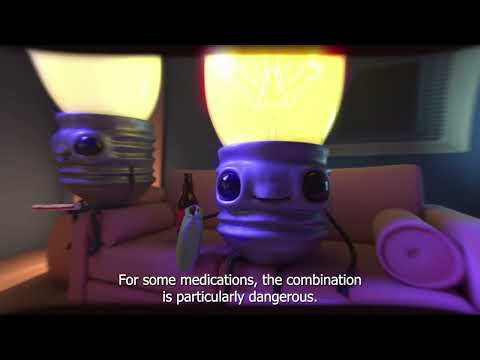
So, let’s talk about something that’s been on a lot of people’s minds: Prozac and alcohol. You know, mental health is such a big deal these days. And honestly, it can feel like a minefield when you’re trying to figure things out.
I mean, we’ve all been there, right? You’re feeling down, your buddy hands you a drink, and you wonder if it’s really okay to mix the two. Spoiler alert: It’s complicated.
A friend of mine once shared how they’d take their meds every morning but couldn’t resist happy hour later on. It seemed harmless until it wasn’t. So, what do you do? How do you balance the joys of life with serious stuff like mental health?
Let’s unpack this together, shall we?
Prozac and Alcohol: What You Need to Know Before Mixing Meds and Drinks
Prozac, or fluoxetine, is a commonly prescribed medication for depression and anxiety. It can be really helpful for many people. But when it comes to mixing it with alcohol, things can get a bit tricky. You might think having a drink here and there is no big deal, but the truth is more complicated.
First off, mixing Prozac and alcohol can increase side effects. That means you might feel more drowsy or dizzy than usual. Ever had that feeling where you’re just not quite sure of yourself after a few drinks? Combine that with Prozac, and you might feel even more off-balance.
Then there’s the fact that alcohol affects your mood. While Prozac works to stabilize your mood by balancing chemicals in the brain, alcohol does the opposite. It can mess with those same brain chemicals, potentially worsening symptoms of depression or anxiety. If you’ve ever had a rough day and thought, «A drink will make this better,» it’s important to recognize that alcohol might just amplify those feelings instead.
Also, let’s talk about effectiveness. Drinking while taking Prozac might limit how well the medication works for you. Imagine putting in all the effort to get better only to find out that booze is getting in the way of your progress—it’s frustrating!
Another thing to keep in mind is the risk of addiction. Alcohol is addictive on its own; add medications into the mix, and it can lead to unhealthy habits or increase dependence on both substances. If you’re already dealing with mental health struggles, introducing another layer like addiction isn’t something anyone wants.
So why do people mix them anyway? Well, sometimes it’s about social situations. Maybe you’re at a party where everyone else is drinking; it’s easy to feel left out if you’re sticking strictly to your meds—but it’s crucial to prioritize your mental health over fitting in.
If you’ve found yourself wondering if it’s alright to have that drink while on Prozac—consider talking with your doctor about it first. They can give you tailored advice based on your specific situation because everyone reacts differently.
In summary:
- Mixing Prozac and alcohol can heighten side effects, leading to increased dizziness or drowsiness.
- Alcohol may worsen mood symptoms, counteracting the benefits of Prozac.
- It could limit how effective your medication is.
- There are risks related to dependency, which complicates mental health recovery.
- Social pressures might push people into mixing them.
Taking care of your mental health should always be top priority—so consider all aspects carefully before making decisions about mixing medications and drinks!
Exploring the Effects of Prozac: Does it Cause Cognitive Impairment?
So, let’s talk about Prozac and its potential effects on cognitive function. You might’ve heard of Prozac—the brand name for fluoxetine. It’s a popular antidepressant that falls under the category of SSRIs (Selective Serotonin Reuptake Inhibitors). Basically, it helps boost serotonin levels in your brain, which can improve mood. Sounds good, right? But there are some questions about whether it causes cognitive impairment.
When people start taking Prozac, some might wonder if it will affect their thinking abilities—things like memory, attention, or decision-making. **Research** on this is kind of mixed. Some studies suggest that SSRIs may not significantly impact these functions while others note slight impairments for certain individuals.
- Short-term effects: Many users report feeling foggy or spacey when they first start taking the medication. It can feel like trying to think through a cloud, you know? But often these feelings fade as the body adjusts.
- Long-term effects: Long-term use doesn’t seem to yield consistent evidence of serious cognitive decline. Some folks actually find that their thinking improves once they’re no longer bogged down by depressive symptoms.
- Individual differences: How Prozac affects you personally can vary a lot based on your unique biology and mental health history. What works wonders for one person might be less effective or cause side effects for another.
- Certain populations: Older adults may experience different effects compared to younger people. For instance, some older adults have reported more cognitive side effects when using antidepressants like Prozac.
Now let’s touch on the combination of **Prozac and alcohol**. Mixing these two can be tricky! Alcohol is a depressant and can worsen anxiety or depression over time. So if you’re on Prozac and you drink, you might just negate its benefits.
Imagine this: Jane has been feeling low for months and finally starts taking Prozac. At first, she feels a bit off—harder to concentrate than usual. She decides to grab drinks with her friends one weekend but ends up feeling even worse afterward—gloomier and more anxious than before.
It’s important to keep an eye on how medications interact with lifestyle choices like drinking alcohol. Some people might think adding wine or beer could help them relax but it can lead back to the very issues they were trying to escape.
So, in summary: while some may experience *slight* cognitive hiccups when starting Prozac or during its use, long-term studies don’t show strong support for serious impairment across the board; each individual’s response varies widely based on many factors including age and other meds they’re taking—not to mention drinking alcohol complicates matters too! If you’re concerned about how this all ties together with your mental health journey, chatting with a professional is usually your best bet!
Effective Ways to Boost Serotonin Naturally After Drinking Alcohol
So, you had a few drinks last night and now you’re feeling a bit down. It’s not just the hangover; alcohol can mess with your body’s serotonin levels. Serotonin is this awesome neurotransmitter that helps regulate mood, sleep, and even appetite. Low levels can lead to feelings of sadness or anxiety. But don’t worry! There are some natural ways to help boost your serotonin after drinking.
First off, let’s talk about nutrition. What you eat has a big impact on your mood. Foods rich in tryptophan, an amino acid that helps produce serotonin, can be super helpful. You might want to grab:
- Poultry like chicken or turkey
- Dairy products like cheese and yogurt
- Nuts and seeds, especially walnuts and flaxseeds
- Oats and bananas are also good picks!
Another way to boost serotonin is through exercise. Seriously! Getting your body moving releases endorphins, which can also lift your mood. Try going for a brisk walk or hitting the gym the day after drinking. You don’t have to go crazy; even some gentle stretches at home can help.
Sunshine, oh how we love it! Exposure to sunlight increases the production of serotonin too. You might feel tempted to stay in bed nursing that hangover, but getting outside for even just 15 minutes can work wonders on your mood.
If you want to take it up a notch, think about practicing mindfulness or meditation. These techniques help reduce stress and promote well-being. Just sitting quietly for a few minutes each day can make a difference in how you feel.
You know what else works? Getting enough sleep! After drinking, it’s common to feel tired or restless. Prioritize rest by creating a comfy sleep environment: keep the room dark and cool, limit screen time before bed, and try sticking to a routine.
Sociability matters too! Connecting with friends or family members can give you that emotional lift you need after a night out. Reach out for some quality time together—whether it’s over coffee or just chatting at home.
If you’re taking medications like Prozac along with alcohol occasionally (which isn’t usually recommended), it’s extra important to remember that both substances affect serotonin levels differently. So while you’re boosting it naturally, keep an eye on how you’re feeling overall.
You’ve got options here! It might take some trial and error to find what works best for you after drinking—everyone’s different—but being proactive about boosting your serotonin is key. Just listen to your body and be kind to yourself as you recover!
You know, the relationship between Prozac and alcohol can be a bit of a minefield. It’s like that weird party where you want to join in, but you know someone’s probably gonna pull a stunt that’ll ruin the mood. I mean, let’s get real. Prozac, or fluoxetine if we’re getting fancy, is a common antidepressant. It works to help people manage depression and anxiety by balancing out those tricky brain chemicals. But when you throw alcohol into the mix? That’s where things can get dicey.
I remember my friend Jake who was on Prozac for a while. He struggled with feelings of sadness and anxiety for years before finding some relief with medication. One night at a small gathering, he thought he’d just have one beer to celebrate feeling better. But things didn’t go as planned. That one beer turned into a few too many, and before long, he was feeling more anxious than ever—like his mind was playing tricks on him again.
The thing is, alcohol acts as a depressant. So while Prozac’s working hard to lift you up, alcohol is dragging you down—like trying to swim with weights tied around your ankles. It can mess with how effective the medication is and even amplify side effects like drowsiness or dizziness. Plus, mixing them can lead to some emotional roller coasters that nobody wants to ride.
But it’s not all doom and gloom! Many people can manage their mental health beautifully while enjoying social drinks on occasion—just gotta keep some boundaries in mind! Talking it over with your doctor is super important because they’ll help you find that balance without compromising your well-being.
So if you’re considering mixing the two or just curious about what it means for your mental health? Just remember: your headspace matters more than fitting in at the bar! You deserve support that keeps you feeling stable and good; it’s totally worth it in the long run!